
Hormuz Thaw: Toman Reclaims Ground as China Defies US 'D-Day' Sanctions
عقبنشینی دلار در سایه دیپلماسی هرمز؛ پکن تحریمهای «روز دی» را به چالش کشید
The Iranian Toman staged a late-session recovery on Tuesday as news of a maritime corridor in the Strait of Hormuz and China's refusal to cut oil ties cooled the market's panic. Despite the US 'Economic D-Day' offensive, the dollar's slide to 200,200 Toman suggests the market is pricing in a temporary de-escalation.
At time of publishing
USD
200,200
Toman
Gold 18K
21.63M
Toman / gram
Bitcoin
$78,824
US Dollar
Tether
199,068
Toman
The Strait of Hormuz: From Blockade to Corridor
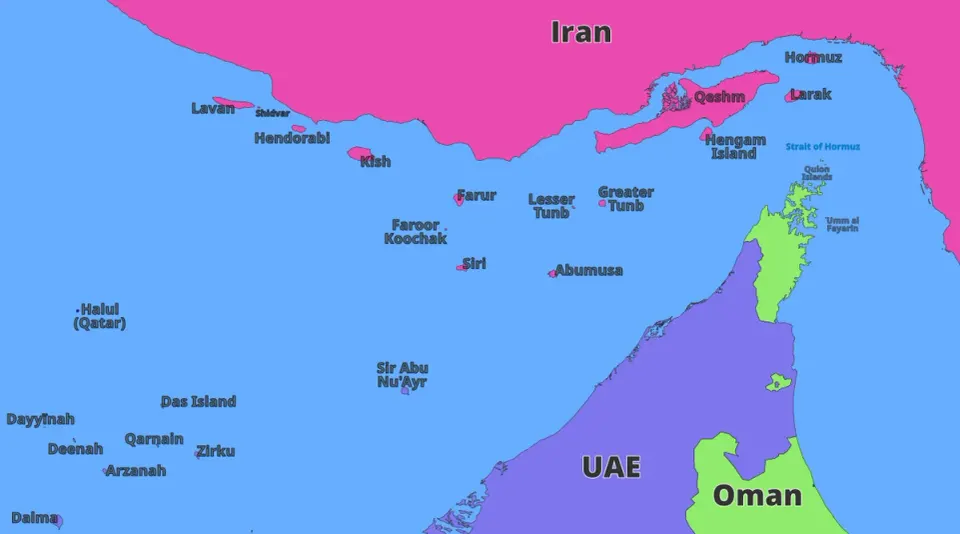
After a week of intense speculation and rising shipping premiums, the geopolitical temperature in the Persian Gulf saw a sudden, if cautious, drop on Tuesday night. The primary catalyst was a joint statement from Tehran and Muscat. Following a visit by the Omani Foreign Minister, both nations agreed to establish a temporary maritime corridor and a joint de-mining project in the Strait of Hormuz. This news directly countered earlier fears of a total blockade. Interestingly, Donald Trump claimed that all mines had already been cleared, a statement that, while viewed with skepticism by maritime experts, added to the narrative of de-escalation. For the average Iranian, this shift is monumental; the Strait is the jugular vein of the economy, and any sign of it reopening translates immediately to a stronger Toman.
In the free market, the response was swift. The USD moved from 203,500 to 200,200 Toman, marking a 1.6% appreciation for the local currency. This move reflects a sigh of relief from traders who had been pricing in a worst-case scenario of a full-scale naval confrontation. However, it is essential to note that this 'corridor' is described as temporary. The underlying tensions between the Islamic Republic and the West remain unresolved, and the heavy presence of the US Navy in the Gulf of Oman continues to stifle the volume of crude exports, which have reportedly plummeted to just 0.3 million barrels per day this month.
Beijing’s Defiance and the 'Economic D-Day' Reality
While Washington attempted to execute its 'Economic D-Day'—a massive sanctions offensive led by Treasury Secretary Scott Bessent—the results on day one were mixed. The most significant blow to the US strategy came from Beijing. Chinese officials signaled clearly on Tuesday that they would not sever trade ties with Iran, effectively ignoring the new sanctions targeting Chinese and Hong Kong entities. This defiance provides a critical liquidity floor for the Toman. As long as China remains a willing buyer of Iranian 'teapot' refinery shipments, the total collapse of the foreign exchange market remains unlikely. The market noticed that the US Treasury stopped short of sanctioning major Chinese banks, a move that would have been a 'nuclear option' for the global economy.
However, the pressure is far from gone. The Iranian government’s official rhetoric remains defiant, but the numbers tell a story of strain. State media, such as IRNA, continues to frame the maritime agreement with Oman as a diplomatic victory, yet they omit the fact that exports are at a fraction of their 2025 levels. For the Iranian public, the primary concern is whether this Toman recovery is a dead-cat bounce or a genuine trend. With the US-Canada trade war also igniting—as Canada imposed $19.9 billion in counter-tariffs on US goods—global markets are becoming increasingly fragmented, which may ironically give Iran more 'gray market' gaps to exploit in the short term.
Gold’s Global Surge vs. Local Slide
In a rare decoupling, gold prices in Tehran fell even as the global ounce hit a three-month high of $4,637.40. Domestically, Gold 18k/gram moved from 22,103,975 to 21,630,730 Toman, a 2.1% decrease, while the Emami coin dropped 3.2% to 215,000,000 Toman. This local decline is entirely driven by the Toman’s recovery and the liquidation of 'panic hedges.' When the perceived risk of immediate war in the Strait of Hormuz recedes, the 'bubble' in gold coins—which often trade at a significant premium in Tehran—is usually the first to burst. Investors who bought at the peak earlier this week are now facing significant intraday losses.
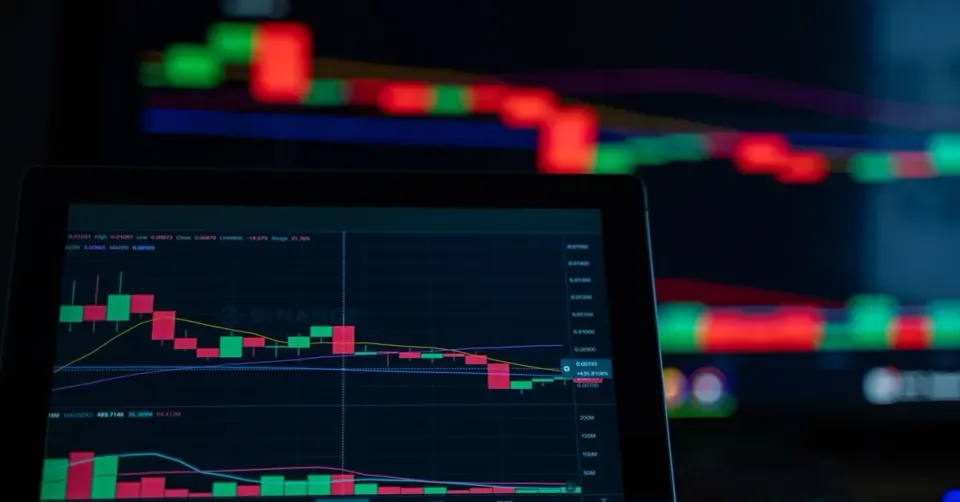
Meanwhile, the crypto market remains a focal point for younger Iranians looking for an exit from the Toman. Bitcoin is currently testing the $80,000 psychological barrier, fueled by a weaker US dollar and falling global yields. Interestingly, even the labor market in London is feeling the heat, with bus drivers resuming strikes over heatwave working conditions. While seemingly distant, these global disruptions contribute to a sense of a world in flux, pushing more capital into decentralized assets like BTC and USDT. For Iranians, USDT at 199,068 Toman remains the most liquid way to track the real value of their savings, serving as a 24/7 barometer of national anxiety.
---
Practical Takeaway
The current dip in USD and Gold is news-driven and sentiment-heavy. While the Omani corridor provides a temporary reprieve, the fundamental issues of low oil exports and US sanctions haven't vanished. If you are looking to hedge, watch the $80,000 Bitcoin level; a breakout there could signal a broader shift in global risk appetite that might eventually pull the Toman back down if the Hormuz corridor deal hits a snag.
Frequently Asked Questions
Why did the price of gold drop in Iran while the global price increased?
What is the 'Economic D-Day' and how did it affect the market?
Is the new maritime corridor in the Strait of Hormuz permanent?
How is Bitcoin performing relative to the Iranian market today?
Understanding Sanctions Evasion Strategies
Economic sanctions are a powerful foreign policy tool, employed by countries or international bodies to pressure target nations into changing their behavior. These measures can range from trade restrictions and asset freezes to travel bans and financial embargoes, aiming to inflict economic pain and isolate the targeted regime from the global financial system. However, the very existence of sanctions often spurs the development of sophisticated strategies by the sanctioned entities to circumvent these restrictions, allowing them to maintain vital trade, access finances, and mitigate economic damage.
Sanctions evasion strategies are diverse and constantly evolving, reflecting a sophisticated cat-and-mouse game between sanctioning powers and sanctioned entities. One primary method involves de-dollarization or the use of alternative currencies. By trading in local currencies (like the Chinese Yuan for oil transactions with Iran), gold, or even through barter systems, countries can bypass the U.S. dollar-dominated international banking system, which is often the primary conduit for enforcing sanctions. This allows them to conduct trade without triggering alerts or seizures within the conventional financial architecture.
Another common tactic is the establishment of front companies and third-party intermediaries. Sanctioned entities might use shell corporations registered in non-sanctioning jurisdictions or route goods and funds through intermediary countries. These layers of obfuscation make it difficult to trace the ultimate origin or destination of transactions, effectively masking illicit trade. Furthermore, smuggling and re-routing of goods through clandestine networks or less scrutinized borders are often employed to maintain the flow of essential commodities.
Finally, bilateral agreements and strategic alliances with countries willing to defy sanctions play a crucial role. When major economic powers, such as China in the headline's context, continue to engage in trade with sanctioned nations, it provides a vital lifeline. This defiance not only offers an economic outlet but also sends a political message, challenging the efficacy and universality of the sanctions regime. The headline's mention of the Toman reclaiming ground suggests that such evasion strategies, potentially bolstered by strong bilateral trade with defying partners, can indeed mitigate the intended economic pressure and stabilize the local currency.