
Toman Stabilizes as Emami Coin Gains; Europe's Energy Woes Loom
تومان تثبیت شد؛ سکه امامی رشد کرد؛ بحران انرژی اروپا در راه است
The Iranian Toman saw a slight dip against the US dollar today, but the Emami gold coin closed the session with gains. Meanwhile, Europe faces a mounting energy crisis exacerbated by heatwaves, a development with potential ripple effects for global markets and oil prices.
At time of publishing
USD
200,250
Toman
Gold 18K
21.63M
Toman / gram
Bitcoin
$78,524
US Dollar
Tether
199,404
Toman
Currency Markets: A Stable Close Amidst Minor Fluctuations
The Iranian Toman experienced a modest decline today, with the USD sell rate moving from 200,500 to 200,250, marking a 0.1% decrease. While this might seem insignificant on a daily basis, for Iranians managing household budgets, even small currency depreciations can translate into higher import costs and inflationary pressures on everyday goods. The stability of the Toman is a critical indicator of economic confidence, and any sustained downward trend can fuel anxieties about future purchasing power. Today's movement, however, suggests a degree of resilience, preventing a sharp sell-off.
Despite the minor slide in the Toman, the broader market sentiment appears cautiously optimistic. The fact that the USD buy rate remains within a tight range indicates that demand for foreign currency hasn't surged dramatically. This relative calm in the currency market is crucial for businesses that rely on imports, as it helps in planning and managing operational costs. For individuals looking to hedge against inflation, the slight depreciation might be a signal to monitor the market closely for potential buying opportunities, though the overall trend remains subdued.
Gold and Coin: Emami Coin Shines
In contrast to the slight dip in the Toman, the Emami gold coin demonstrated a positive upward trend, closing the day at 216,000,000 Toman, a 0.5% increase from yesterday's price. This appreciation is significant for many Iranians who view gold and traditional coins as a safe haven asset, particularly during times of economic uncertainty and currency volatility. The rise in the Emami coin's value suggests that investors are seeking tangible assets to preserve their wealth, a common behavior when confidence in the national currency wavers or when global economic risks are perceived to be increasing.
The performance of the gold ounce in US dollars also provides context. At $4,602.10, it reflects global trends in the precious metals market. While the Toman's slight weakness might contribute to higher local gold prices, the underlying strength in the Emami coin suggests a domestic demand driven by a desire for security. For ordinary Iranians, this means that their traditional savings in gold are currently growing in value, offering a counterpoint to the minor erosion seen in the Toman's purchasing power against the dollar.

The Bigger Picture: Europe's Energy Crisis and Global Implications
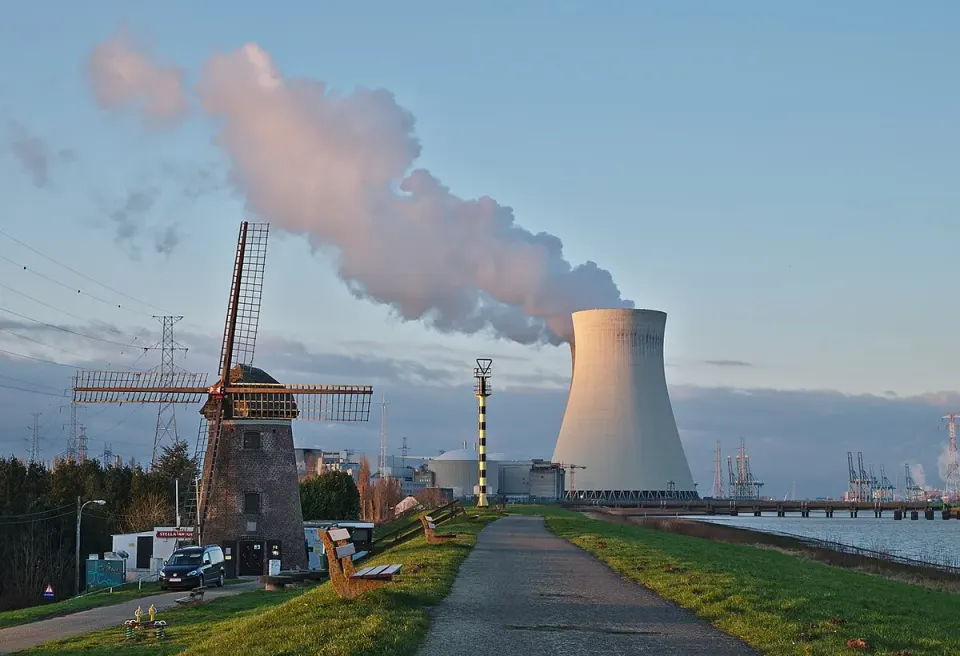
Across the globe, Europe is grappling with an escalating energy crisis, as extreme heatwaves put immense pressure on its power grid. Reports highlight that the continent is facing a stress test due to geopolitical supply chain disruptions, compounded by soaring temperatures that risk rolling blackouts. This situation is not merely a regional concern; it has profound implications for global energy markets, including oil prices. Iran, as a significant player in the global energy landscape, indirectly feels these pressures. Any instability in European energy supply can lead to increased demand for alternative sources, potentially impacting crude oil benchmarks and, by extension, influencing the dynamics of the Toman and other currencies sensitive to energy prices.
The interconnectedness of global energy markets means that Europe's struggles could translate into higher energy import costs for nations worldwide, including Iran. Furthermore, if the crisis leads to a significant spike in oil prices, it could exacerbate inflationary pressures globally. For ordinary Iranians, this translates to a dual threat: potential increases in the cost of imported goods due to a weaker Toman and higher domestic energy prices if global crude prices rise. The situation in Europe underscores the fragility of current energy infrastructure and the growing need for resilient and diversified energy solutions, a topic of particular interest given Iran's own focus on nuclear fusion technology as reported by its nuclear chief [8].
Meanwhile, geopolitical tensions continue to simmer. The IRGC commander's statement regarding Iraq's Kurdistan not being used for attacks against Iran [6] highlights the persistent regional security concerns that can influence investor sentiment and market stability. Such statements, while focused on regional security, can contribute to a broader sense of risk aversion, which often benefits safe-haven assets like gold and can put downward pressure on currencies.
In the tech and markets sphere, Meta's substantial $18 billion settlement in a child-safety lawsuit [13] removes a significant overhang for the company's stock, signaling a move towards resolving a major legal challenge. This type of corporate resolution can influence investor confidence in the broader tech sector. Separately, a survey indicating that 77% of Americans find crypto risky for retirement plans [4] points to persistent skepticism towards digital assets in traditional investment portfolios, despite ongoing market developments like Bitcoin nearing bull market confirmation [3]. These global financial narratives, from corporate settlements to public perception of crypto, form the backdrop against which Iranian markets operate, influencing both domestic investor behavior and international market sentiment.
Frequently Asked Questions
Why did the Emami coin increase in value today?
What is the significance of Europe's heatwaves on the energy market?
How does the IRGC commander's statement about Kurdistan affect the market?
What is the impact of Meta's $18 billion settlement on the market?
Understanding Iran's Dual Exchange Rate System
A dual exchange rate system is a monetary arrangement where a country maintains two (or more) official rates for its currency: one set by the central bank for specific transactions such as essential imports, and another that floats in the market for all other trade. The goal is to protect scarce foreign‑exchange reserves, control inflation, and steer economic policy, but it often creates arbitrage opportunities and market distortions.
In Iran, the official rate (published by the Central Bank of Iran) is used for vital goods like medicine and fuel, while a parallel market—sometimes called the free market or black market rate—determines the price of most other imports, exports, and private transactions. Because the two rates can diverge dramatically, the Iranian Toman (the unit of account) can appear stable in official statistics while the real purchasing power, reflected in the USD/IRR market rate or the price of gold in rials, tells a different story. This split is why you see headlines about the Toman stabilizing even as the market‑driven exchange rate and gold prices continue to fluctuate.
The emergence of the Emami Coin—a digital token pegged loosely to the official Toman rate—highlights how investors try to navigate the split system. By tying the token to the state‑controlled rate, issuers hope to offer a “stable” store of value, but the token’s real‑world utility is limited by the prevailing market rate and capital‑control restrictions. Such mechanisms illustrate the broader challenge: when official and market rates diverge, financial innovation often seeks to bridge the gap, yet it can also amplify speculative behavior and inflationary pressure.
Recent policy moves, such as modest de‑valuation of the official rate and tighter controls on foreign‑exchange transactions, aim to narrow the gap between the two rates and restore confidence. For investors, businesses, and ordinary Iranians, understanding the dual‑rate architecture is essential to gauge real exchange‑rate risk, price inflation, and the true cost of imported energy—a factor that also reverberates across Europe’s own energy‑crisis calculations.