Washington’s War Budget Strained as Toman Stabilizes Above 201,000
تنش در بودجه نظامی واشینگتن؛ دلار در ایستگاه ۲۰۱ هزار تومان آرام گرفت
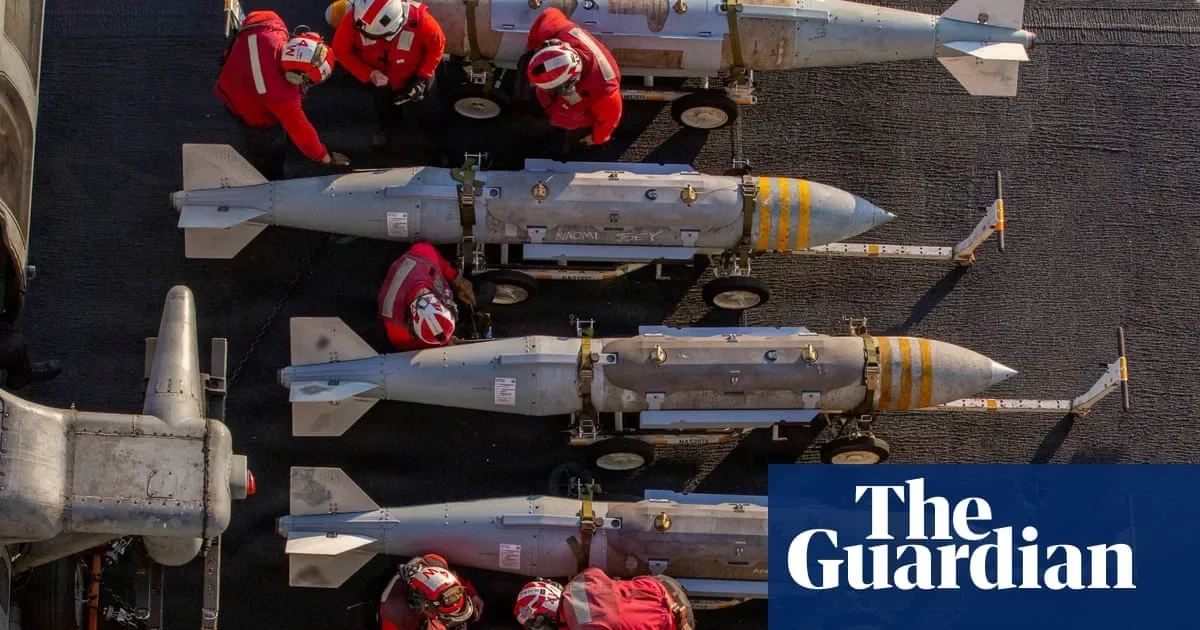
A bombshell report reveals the US Navy is cannibalizing its own payroll to fund operations against Iran, while the Toman finds a new psychological floor above 201,000. Meanwhile, Nvidia’s stellar earnings have ignited a fresh rally in Bitcoin, pushing it past the $80,000 mark.
At time of publishing
USD
201,500
Toman
Gold 18K
21.71M
Toman / gram
Bitcoin
$80,772
US Dollar
Tether
201,500
Toman
The Financial Toll of Naval Brinkmanship
A startling investigation published by the Guardian has revealed that the United States military is facing a severe internal financial crisis driven by its ongoing maritime confrontations with Iran. According to leaked documents and interviews with defense analysts, the US Navy has been forced to divert funds from essential accounts, including personnel payroll, to cover the ballooning costs of combat operations and munitions depletion. This 'war with no clear endgame' has reportedly exhausted stockpiles faster than they can be replenished, creating a budgetary vacuum that Washington is struggling to fill. For the average Iranian reader, this signals a pivot in the nature of the conflict; as kinetic costs become unsustainable for the US, the reliance on economic leverage and sanctions is likely to intensify, keeping the 'risk premium' on the Toman high.
In response to these developments, the Islamic Revolution Guards Corps (IRGC) has doubled down on its rhetoric, claiming that Iran maintains absolute control over the Strait of Hormuz. State media outlets have characterized the current posture as moving beyond mere reaction toward a 'strategic initiative' that aims to dictate the cost of diplomacy in the region. This verbal sparring comes as Foreign Minister Abbas Araghchi was recently honored at the Shahid Rajaei Festival, where he emphasized that diplomacy remains the frontline of national defense. This mix of military tension and high-level diplomatic messaging creates a volatile backdrop for the currency market, where every headline from the Persian Gulf translates into immediate fluctuations in the Tehran back-alleys of exchange.

The Toman’s New Psychological Floor
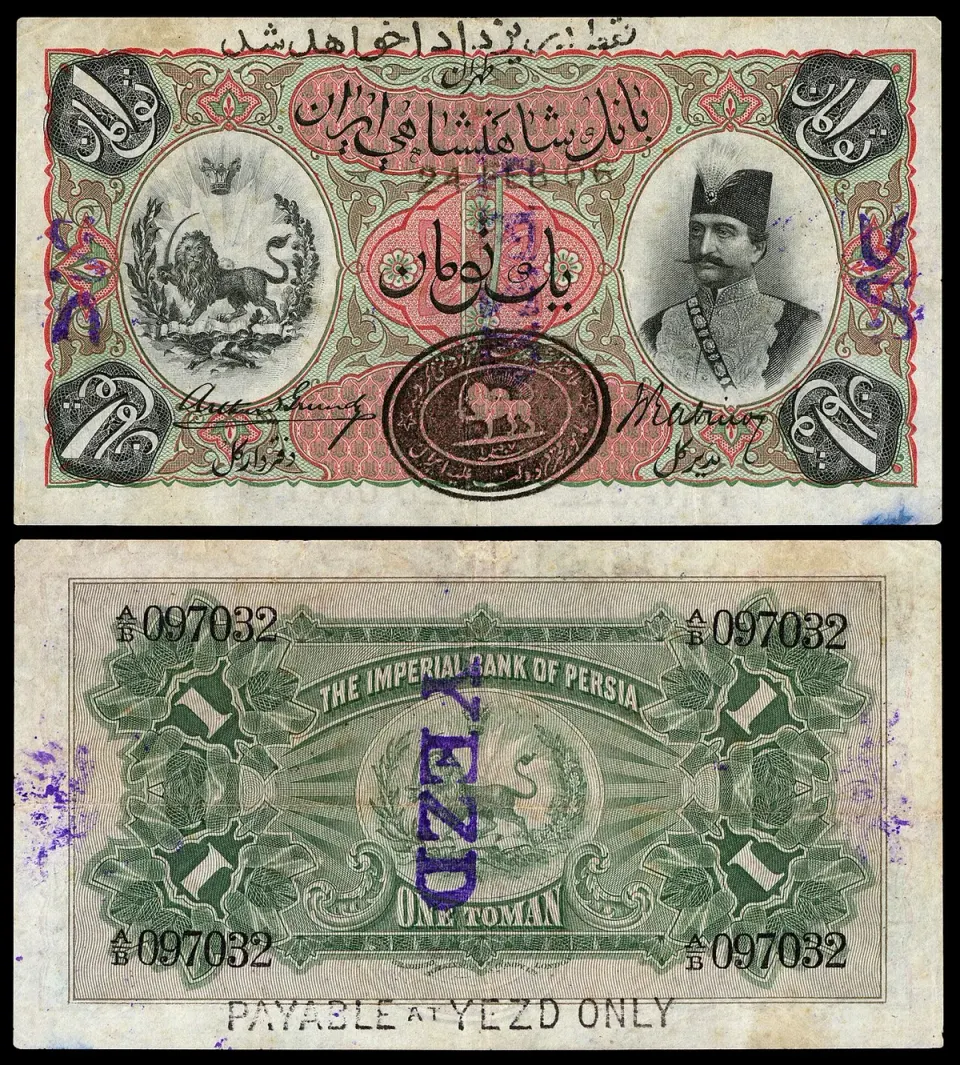
On the domestic front, the Iranian Toman has shown a measured but firm upward trend in today's session. The US Dollar moved from 200,400 to 201,500, representing a 0.5% increase over the last 24 hours. While a half-percentage point might seem negligible in isolation, the fact that the rate is consolidating above the 200,000 threshold is psychologically significant. This level was once considered a 'red line' for many traders, but it is increasingly being viewed as the new baseline. Importers and businesses are now forced to recalibrate their pricing models based on this two-hundred-thousand-plus reality, which inevitably feeds into the broader inflationary cycle affecting consumer goods.
The gold market mirrored this cautious ascent. Gold 18k per gram rose from 21,626,113 to 21,711,528 (+0.4%), tracking both the currency movement and a robust global gold ounce price of $4,611.80. Interestingly, the Emami coin remained stagnant at 216,000,000 (+0.0%), suggesting that the 'bubble' or premium on physical coins may be cooling off as investors seek more liquid assets or pivot toward the burgeoning crypto market. The lack of movement in the coin market despite the rise in raw gold prices indicates a potential saturation point for local retail investors who have been hoarding physical gold as a hedge against depreciation.
The Nvidia Ripple Effect: Bitcoin Eyes $81,000
Global markets received a massive jolt of adrenaline today following Nvidia’s Q2 earnings report, which beat expectations by a staggering $4 billion. This success has trickled down into the cryptocurrency sector, which is increasingly being treated as a high-beta extension of the tech industry. Bitcoin has surged to $80,772, with some exchanges seeing it touch the $81,000 mark as risk appetite returns to the global stage. For Iranians, the rise in Bitcoin is a double-edged sword; while it offers a lucrative exit ramp from the Toman’s volatility, the rising cost of entry makes it a more exclusive asset class. Tether (USDT) is currently trading at parity with the free-market dollar at 201,500 Toman, serving as the primary bridge for local capital flight.
Beyond the tech hype, the energy sector is also seeing strategic shifts. Reports indicate that Energean is in exclusive talks for a $1 billion deal to acquire BP’s Egyptian gas assets. This move highlights a broader trend of energy consolidation in the Eastern Mediterranean, which could eventually impact regional gas pricing and export routes. As global energy giants realign their portfolios, Iran finds itself further isolated from these lucrative regional partnerships. The takeaway for the practical investor is clear: while local currency remains under pressure from geopolitical friction and US budgetary shifts, the global move toward AI-driven tech and digital assets offers the only real 'growth' narrative in an otherwise stagnant landscape.

Frequently Asked Questions
Why is the US Navy budget relevant to the Iranian Toman?
Is the 201,500 Toman level for USD a permanent floor?
How did Nvidia's earnings affect the price of Bitcoin in Iran?
How Sanctions Drive Cryptocurrency Adoption in Iran
Sanctions are a powerful tool of foreign policy, but they also reshape the way a targeted economy conducts everyday transactions. Since the United States re‑imposed extensive sanctions on Iran in 2018, the Iranian rial (IRR) and its successor, the toman, have faced severe depreciation, often trading well above the official rates set by the Central Bank. The resulting scarcity of foreign currency, combined with strict controls on banking channels, pushes individuals and businesses to look for alternative stores of value and means of payment that can bypass the official system.
Cryptocurrencies—particularly Bitcoin and the stablecoin Tether (USDT)—have emerged as popular substitutes. Bitcoin offers a decentralized, borderless store of wealth that is not directly tied to any sanctioned banking institution, while Tether provides a dollar‑pegged digital asset that can be used for everyday transactions without needing a traditional bank account. In Iran, a growing underground market trades these digital assets for goods, services, and even salaries, effectively creating a parallel economy that mitigates the impact of sanctions on purchasing power.
The appeal of crypto in Iran is amplified by the country's high inflation and the volatility of the toman. Gold, traditionally a hedge against inflation, has also surged in price in Tehran, but physical gold is cumbersome to transport and store. Digital assets can be moved instantly across borders, offering a practical hedge for both individuals and firms facing currency instability. Moreover, the U.S. Navy’s heightened presence in the Strait of Hormuz underscores the geopolitical tension that sustains the sanctions regime, reinforcing the incentive for Iranians to seek financial channels outside the conventional banking system.
While cryptocurrencies provide a lifeline, they also introduce new risks. Regulatory uncertainty, price volatility, and the potential for government crackdowns create an environment where users must balance the benefits of financial autonomy against the dangers of illicit activity and loss of value. Understanding this dynamic helps explain why the USD/IRR exchange rate, Bitcoin’s price, and even the price of Tether are closely watched indicators of Iran’s economic resilience under sanctions.
For observers, the intertwining of sanctions, currency stabilization, and crypto adoption offers a case study in how macro‑political pressures can accelerate technological adoption in unexpected ways, reshaping both domestic economies and the global financial landscape.