
Toman Recovers 1.1% as Global Supply Chains Strain; Balkan Tensions and Syrian Nuclear Shadows Loom
بازگشت ۱.۱ درصدی تومان در روز عقبنشینی دلار؛ سایه سنگین پرونده هستهای سوریه و بحران مس بر بازارها
The Iranian Toman staged a modest recovery in Monday's session, with the US Dollar slipping 1.1% to 224,300 Toman. Amidst global industrial supply crunches and renewed IAEA scrutiny in the region, the local market is searching for a bottom after weeks of volatility.
At time of publishing
USD
224,300
Toman
Gold 18K
23.01M
Toman / gram
Bitcoin
$79,116
US Dollar
Tether
225,003
Toman
The Toman’s Tactical Breath
In a session marked by a surprising cooling of demand, the Iranian Toman managed to claw back some of its recent losses. The US Dollar moved from 226,700 to 224,300 Toman, representing a 1.1% decrease in the sell rate. This downward movement was mirrored in the gold market, where 18-karat gold fell from 23,355,187 to 23,011,219 Toman per gram (-1.5%). The flagship Emami coin followed suit, dropping from 234,000,000 to 230,000,000 Toman (-1.7%). For the average Iranian household, this minor retreat offers a moment of relative calm, though the underlying drivers of inflation remain stubbornly present in the broader economy.
This correction suggests that the market may have been overextended following recent geopolitical shocks. However, the premium on Tether (USDT) remains high at 225,003 Toman, indicating that capital flight into digital assets has not fully subsided. Traders are likely taking profits or waiting for clearer signals from the Central Bank, which continues to struggle with liquidity management. The divergence between the physical cash market and the digital dollar rate suggests that while immediate panic has subsided, long-term confidence in the national currency remains fragile at best.

---
The Nuclear Shadow: From Damascus to Tehran
Geopolitical risks took a turn toward the technical today as the International Atomic Energy Agency (IAEA) chief revealed that a secret, Assad-era Syrian reactor could have produced fissile material if it had been completed. This revelation, following recent inspections in Deir ez-Zor, sends a chill through the regional diplomatic climate. For Iranian investors, any news regarding the IAEA’s increased scrutiny of regional nuclear activities is a direct proxy for the health of the JCPOA or any future sanctions relief. The agency's renewed vigor in uncovering historical nuclear secrets in Syria suggests a zero-tolerance policy that will likely translate to more pressure on Tehran’s own nuclear file in the coming months.
Simultaneously, the funeral of convicted war criminal Ratko Mladic in Belgrade, attended by thousands and supported by state-controlled media, highlights a rising tide of nationalism and regional instability in the Balkans. While seemingly distant, such events contribute to a global 'risk-off' sentiment. When European stability is questioned, global investors often flock to safe havens like the US Dollar and Gold. This international demand for hard assets makes it significantly harder for the Toman to sustain any meaningful recovery, as the global floor for the dollar continues to rise.

---
Industrial Pressure and the Energy Landscape
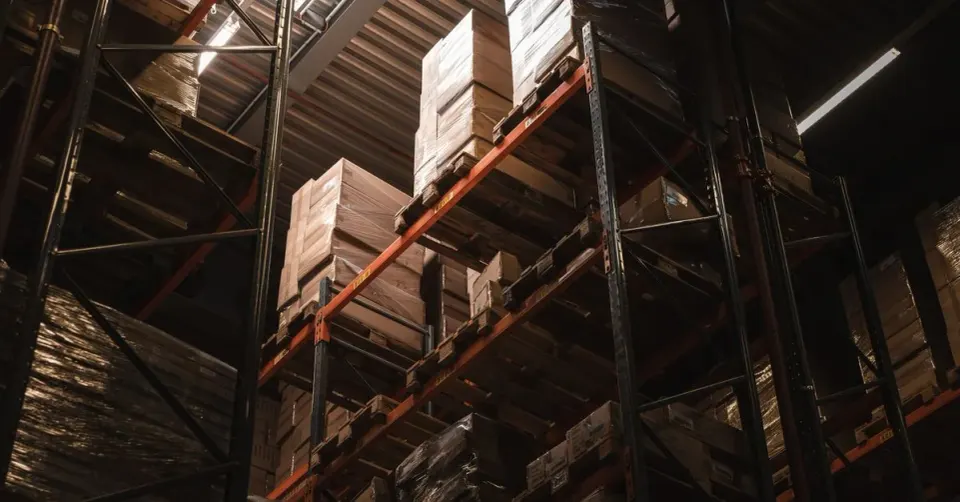
Beyond currencies, the physical world is signaling a massive shift in costs. Copper is currently riding its longest weekly winning streak since 1994, with benchmark prices nearing $14,300 a ton. This is not just a speculative bubble; it is a collision with a shrinking supply chain. For Iran, which relies heavily on industrial imports and domestic manufacturing, 'chipflation' and rising metal costs mean that even if the dollar stays flat, the cost of living and production will continue to climb. The physical market for copper is getting thinner, and this scarcity usually precedes broader industrial inflation that hits the consumer's pocket within months.
On the energy front, Russia has vowed to continue selling oil to India despite looming U.S. tariff threats. This defiance of Western sanctions regimes is a playbook closely watched by Tehran. As Russia’s Ambassador to India, Denis Alipov, criticized the U.S. 'bill from hell,' it reinforces a multi-polar energy market where sanctions are increasingly circumvented. However, for the Iranian reader, this means more competition for 'gray market' oil buyers. If Russia continues to dominate the Indian market through heavy discounting and diplomatic maneuvering, Iran’s own oil revenues—the primary source of dollar injections into the local economy—could face further downward pressure, regardless of the official exchange rate.
---
The Practical Takeaway
Today’s 1.1% drop in the dollar is a tactical correction, not a trend reversal. With global industrial metals like copper hitting record highs and regional nuclear tensions resurfacing via the IAEA’s Syrian report, the cost of 'everything' is still on an upward trajectory. If you are holding Toman for immediate purchases, this dip is a window of opportunity. However, for long-term savings, the high USDT premium and global supply chain constraints suggest that hard assets remain the only viable hedge against a volatile 2026.
Frequently Asked Questions
Why did the US Dollar drop in Tehran today despite regional tensions?
How does the IAEA report on Syria affect the Iranian Toman?
What is the significance of copper prices hitting a 30-year rally streak?
Why is Tether (USDT) trading higher than the physical US Dollar?
The Dynamics of Exchange Rates: What Makes Currencies Fluctuate?
Exchange rates are one of the most fundamental concepts in international finance, representing the value of one currency in relation to another. For instance, the USD/IRR price indicates how many Iranian Rials (or Tomans, a commonly used sub-unit) are needed to purchase one U.S. Dollar. These rates are crucial because they directly impact the cost of imports and exports, the profitability of international investments, and ultimately, a nation's economic stability and purchasing power. A "Toman recovery," as mentioned in the headline, signifies that the Iranian currency has strengthened against a foreign currency, meaning fewer Tomans are required to buy the same amount of a foreign currency.
The fluctuation of exchange rates is primarily driven by the forces of supply and demand in the foreign exchange market. Several key factors influence this supply and demand. Economic fundamentals, such as a country's inflation rate, interest rates, and economic growth, play a significant role. Higher inflation typically erodes a currency's purchasing power, leading to depreciation, while higher interest rates can attract foreign investment, increasing demand for the currency and causing appreciation. A strong balance of trade, where exports exceed imports, also creates demand for a country's currency.
Beyond economic fundamentals, geopolitical events and global economic shocks, like strained global supply chains or regional tensions, can profoundly impact exchange rates. Geopolitical instability can deter foreign investment and lead to capital flight, weakening a currency. Supply chain disruptions can affect a country's trade balance by making imports more expensive or hindering exports, thereby shifting the supply and demand dynamics for its currency. These external factors introduce significant volatility and uncertainty, making currency movements difficult to predict, as seen with the Toman's performance amidst various global and regional pressures.