Hormuz Hardline Pushes USD to 269k While Brazil Election Rattles Risk Markets
سایه تنشهای هرمز بر دلار ۲۶۹ هزار تومانی؛ نبرد برزیل و ریسکهای جهانی
As Iranian lawmakers reaffirm unchangeable control over the Strait of Hormuz, the Toman feels the heat, inching toward the 270,000 mark. Meanwhile, a high-stakes presidential showdown in Brazil and political shifts in the UK are keeping global investors—and Bitcoin—on edge.
At time of publishing
USD
269,300
Toman
Gold 18K
26.40M
Toman / gram
Bitcoin
$85,370
US Dollar
Tether
268,500
Toman
The Hormuz Factor and the Rial's Resistance
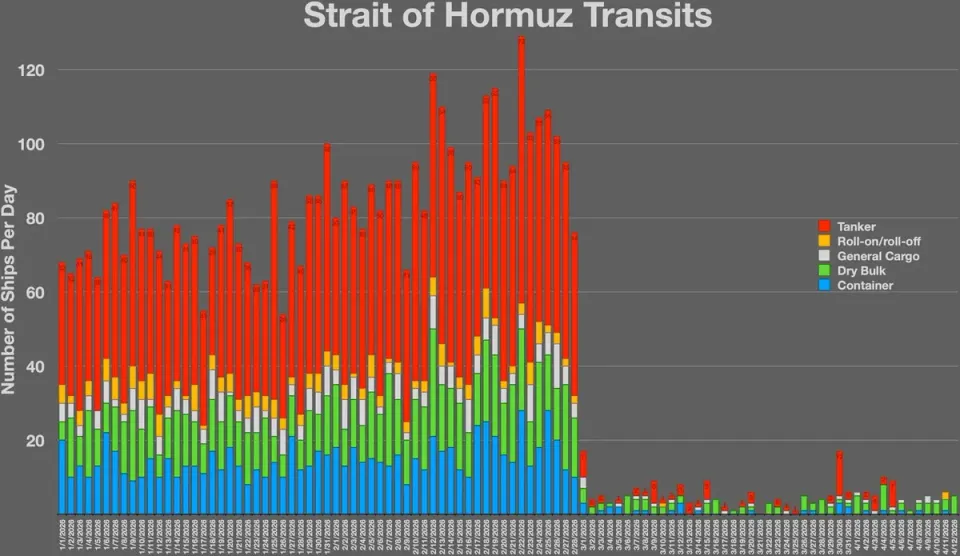
On this Sunday evening, October 4, 2026, the Iranian market closed with a familiar sense of geopolitical weight. The most notable movement came from the currency corridor, where the USD moved from 268,500 to 269,300 Toman, marking a 0.3% increase. This subtle but steady climb is largely attributed to the hardening rhetoric from Tehran. Alaeddin Boroujerdi, a senior member of the National Security Commission, stated today that Iran's control over the Strait of Hormuz remains an "unchangeable policy." While such statements are frequent, the timing—amidst a broader regional stalemate—serves as a reminder to traders that the risk premium on the Rial is unlikely to evaporate anytime soon.
For the everyday Iranian, this 269k level is more than just a number; it is a psychological threshold. As the dollar creeps closer to the 270,000 mark, we see a reflective move in the gold market. Gold 18k/gram rose from 26,201,579 to 26,397,802 Toman, a 0.7% jump that outpaced the currency's growth. This suggests that local investors are hedging not just against currency devaluation, but against the potential for actual supply chain disruptions should the "Hormuz policy" ever transition from rhetoric to maritime reality.
Global Elections and the 'Lego' Volatility
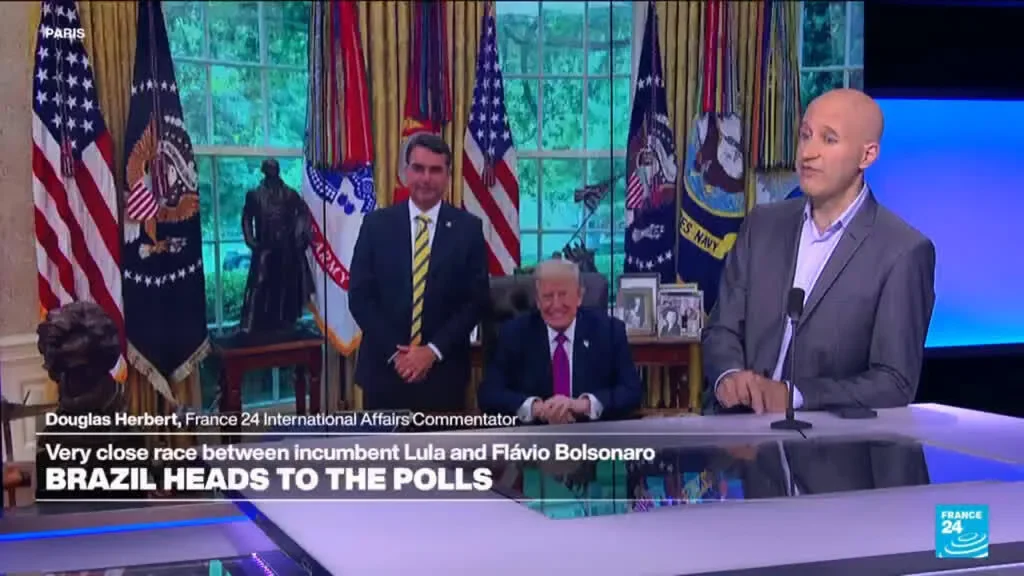
Outside our borders, the world is watching Brazil. The high-stakes presidential election between the incumbent Lula da Silva and Flavio Bolsonaro is more than a regional affair; it is a litmus test for the global "right-wing swing" championed by figures like Donald Trump. As nearly 160 million Brazilians head to the polls, the uncertainty is rippling through emerging market assets. For Iranian crypto traders, this matters because Brazil is a major player in the global risk-on/risk-off sentiment. Bitcoin, currently trading at $85,370, remains sensitive to these shifts in global political stability.
Adding to the sense of global unpredictability are strange 'glitches' in both politics and technology. In the UK, the Green Party has sparked a diplomatic row with Israel after passing a controversial policy, while in Bahrain, a software bug turned a professional F1 race into what Lewis Hamilton described as a "Lego race." These events, though seemingly disparate, contribute to a broader narrative of a world struggling with systemic stability. When the systems we rely on—from voting rolls in India to F1 software—show signs of friction, capital tends to flow toward 'hard' assets like gold and decentralized assets like Bitcoin.
The Divergence in Coin and the Road Ahead
Interestingly, while gold and the dollar moved up, the Emami coin took a different path today. The Emami coin moved from 274,000,000 to 271,000,000 Toman, a decrease of 1.1%. This divergence is a classic signal of a "bubble pop" in the coin premium. For weeks, the Emami coin has traded at a significant markup compared to its actual gold content. Today’s correction suggests that local liquidity might be tightening, or perhaps large holders are rotating their capital back into the dollar or stablecoins to prepare for the 270k breach.
As we look toward Monday, the primary focus remains on the 269,300 level for USD. If the rhetoric regarding the Strait of Hormuz continues to dominate the headlines, we expect the Toman to remain under pressure. The practical takeaway for our readers is clear: the gap between the dollar and gold is narrowing, but the coin market is currently shedding its excess premium. If you are looking for safety, the raw gold price is currently tracking the global risk more accurately than the speculative coin market.
Frequently Asked Questions
چرا قیمت سکه امامی برخلاف طلا و دلار کاهش یافت؟
تأثیر انتخابات برزیل بر بازار ایران چیست؟
آیا دلار ۲۷۰ هزار تومانی تثبیت خواهد شد؟
Geopolitical Risk and Currency Valuation
Geopolitical risk refers to the potential for political events, conflicts, or instabilities in a region to disrupt global markets and economies. These risks can range from armed conflicts and international sanctions to political elections and changes in government policy. Unlike purely economic factors, geopolitical risks introduce an element of unpredictability and often carry significant consequences, impacting everything from commodity prices and trade routes to investor confidence and, critically, national currency valuations.
Consider the Strait of Hormuz, a narrow waterway connecting the Persian Gulf to the open ocean. It's one of the world's most strategically important chokepoints for oil transit, with a significant portion of the world's seaborne oil passing through it daily. Tensions in this region, such as those involving Iran, directly translate into heightened geopolitical risk. For a country like Iran, heavily reliant on oil exports and facing international sanctions, any perceived threat to oil transit or increased political isolation can severely impact its economic outlook. This uncertainty often leads to capital flight, reduced foreign investment, and a general loss of confidence in the local economy.
The mechanism by which geopolitical risk affects currency valuation is straightforward: uncertainty breeds demand for stability. When geopolitical tensions rise, investors and citizens alike tend to move their assets out of perceived riskier local currencies and into more stable, internationally recognized currencies like the U.S. dollar, or into safe-haven assets such as gold. This increased demand for foreign currency and decreased demand for the local currency leads to a depreciation of the latter. For instance, reports of hardline stances or increased regional instability can cause the Iranian Rial to plummet against the dollar, as seen in the headline, reflecting a flight to safety.
Furthermore, geopolitical risks can disrupt trade, impose sanctions, and deter foreign direct investment, all of which weaken a country's economic fundamentals. A weaker economy, in turn, makes its currency less attractive. Understanding this intricate link between political events and currency markets is crucial for anyone trying to navigate global finance, as it highlights how non-economic factors can have profound and immediate economic consequences, influencing everything from the price of everyday goods to long-term investment strategies.