Trump’s Midterm ‘No-Strike’ Pledge Offers Brief Respite as Toman Hits 267k
وعده ترامپ برای عدم حمله پیش از انتخابات؛ تنفس مصنوعی در بازار ۲۶۷ هزار تومانی
Donald Trump’s public assertion that the US will not strike Iran before the November midterms has provided a psychological floor for the market, even as the USD rose 0.6% to 267,500 Toman. While political rhetoric cools, energy competition intensifies as India pivots toward Venezuelan oil, challenging Iran's market share.
At time of publishing
USD
267,500
Toman
Gold 18K
26.29M
Toman / gram
Bitcoin
$80,610
US Dollar
Tether
266,904
Toman
The Trump Factor and the Midterm Ceiling
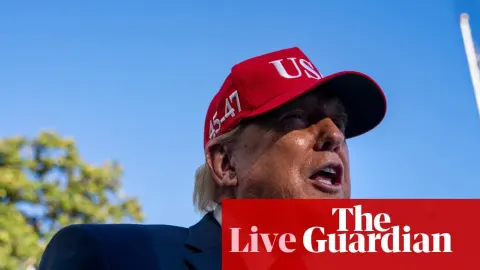
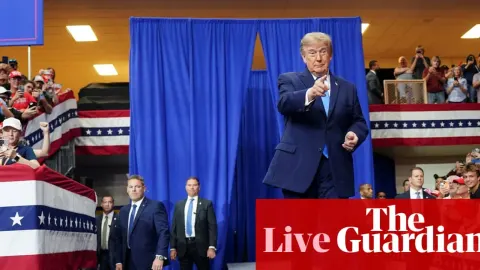
In a move that has temporarily calmed the more extreme 'war-risk' premiums in Tehran’s markets, Donald Trump has claimed that the United States will not engage in military strikes against Iran prior to the November 3rd midterm elections. This statement, delivered via Truth Social, follows reports that the Pentagon had been asked to prepare options for potential escalations. For the Iranian trader, this creates a 'known window' of relative geopolitical stability for the next few weeks. However, the market’s reaction was measured rather than celebratory. The USD moved from 265,900 to 267,500 Toman, a 0.6% increase during the Thursday session. This suggests that while the immediate fear of kinetic conflict has receded, the underlying demand for hard currency remains driven by domestic inflation and structural deficits rather than just headlines.
Historically, such 'election-year promises' from Washington are viewed with skepticism by institutional players in the Grand Bazaar. The fact that the Toman did not strengthen on this news indicates that the market has already priced in a high level of tension. The rise to 267,500 reflects a steady accumulation by those who fear that once the US elections are over, the 'no-strike' pledge will evaporate, regardless of which party gains control of the Senate. For everyday Iranians, this means the cost of imports and the general price level continue their upward trajectory, albeit without the vertical spikes seen during more acute moments of the Hormuz crisis.

---
Energy Rivalries: The Venezuelan Shadow over Indian Exports
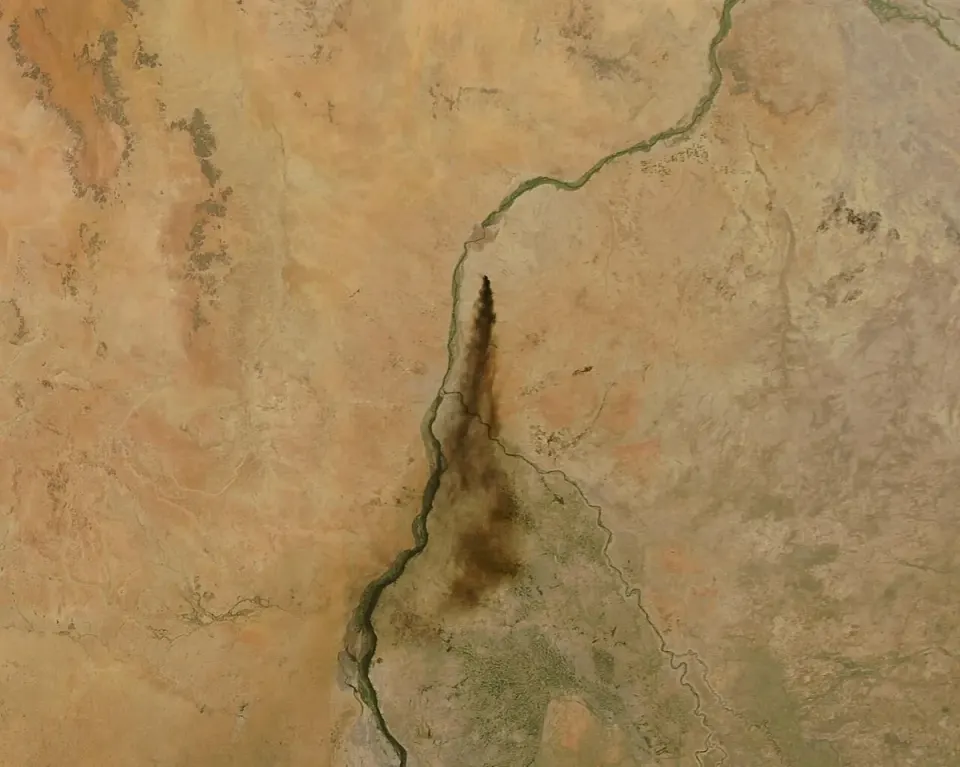
While Washington’s rhetoric dominates the news, a more quiet and perhaps more damaging shift is occurring in the global energy markets. Reliance Industries, India’s private refining giant owned by Mukesh Ambani, has driven Indian imports of Venezuelan crude to a seven-year high. Following the easing of certain US sanctions, Indian refiners are aggressively returning to South American grades that directly compete with Iran’s 'gray market' exports. This is a critical development for the Iranian economy, which relies heavily on a handful of buyers in Asia to maintain its foreign exchange reserves. If India, a primary destination for discounted Iranian oil, continues to pivot toward Venezuela, the pressure on the Toman could intensify as the supply of Petrodollars narrows.
This competition for market share in the East is a reminder that geopolitics is as much about barrels as it is about bullets. The UK retail sector’s push to cut green levies amid soaring power bills further illustrates the global energy crunch that keeps oil prices—and by extension, the regional stakes—extremely high. As Brent remains volatile, the Iranian government’s ability to fund its budget through oil sales becomes a race against both sanctions and the increasing availability of alternative heavy crudes from the Americas. For the reader, this means that even if the 'war clouds' part, the economic blockade remains a potent force of devaluation.
---
Gold and the Cost of Capital
In the precious metals sector, the Emami coin rose from 268,500,000 to 270,000,000 Toman (+0.6%), tracking the dollar’s movement almost perfectly. Gold 18k remained virtually flat at 26,293,919 Toman per gram, reflecting a global gold price that is currently catching its breath at $4,131 per ounce. The stability in global gold, contrasted with the rising local coin prices, highlights the 'domestic premium'—a clear sign that Iranians are still using gold as a primary hedge against the Toman’s slow bleed.
Looking toward the next session, investors should keep a close eye on the US Treasury market. As bond yields face a crucial vote of confidence, the global cost of capital is rising. This typically puts pressure on emerging market currencies and increases the appeal of the US Dollar globally. For Iran, this is a double-edged sword: a stronger global dollar makes local imports even more expensive, while the 'safe haven' status of Bitcoin (currently at $80,610) continues to attract younger Iranian capital looking for an exit from the local banking system. The practical takeaway is clear: the current 'calm' is a product of the US electoral calendar, not a fundamental shift in the economic outlook.
Frequently Asked Questions
Why is the Toman still falling despite Trump's 'no-strike' pledge?
How does India's purchase of Venezuelan oil affect the Iranian economy?
Is the current 270 million Toman price for Emami coin a bubble?
How International Sanctions Trigger Currency Depreciation
International sanctions are political tools that restrict a country’s access to foreign finance, trade, and technology. While the primary goal is often to pressure a government into changing its behavior, sanctions also have a profound side‑effect on the targeted nation’s currency. By cutting off avenues for foreign investment and limiting export revenues—especially when the country relies heavily on commodities like oil—sanctions reduce the supply of foreign currency needed to buy the local money, putting downward pressure on its exchange rate.
The mechanics are straightforward: a shortage of hard currency (USD, EUR) means that businesses and individuals must sell the local currency at a lower price to obtain the needed foreign cash. Simultaneously, investors flee the risk‑laden market, selling off domestic assets and further increasing supply of the local currency on the foreign exchange market. The combination of reduced demand for the local currency and heightened supply drives its value down, often resulting in rapid devaluation.
Iran provides a vivid recent example. After the United States re‑imposed comprehensive sanctions on Iranian oil exports in early 2026, the country’s ability to earn dollars plummeted. With oil revenues drying up, Iran’s central bank struggled to replenish its foreign‑exchange reserves, and the rial (and its newer unit, the toman) slid dramatically—reaching a rate of roughly 267,000 toman per USD in October 2026. The devaluation fed into higher inflation, eroding purchasing power and prompting the government to adopt emergency measures such as price caps and subsidies.
The ripple effects extend beyond the domestic economy. A weaker currency makes imports more expensive, which can strain sectors that depend on foreign goods—such as India’s Reliance Industries, which imports Venezuelan oil. At the same time, speculative assets like Bitcoin often see heightened interest as locals seek stores of value outside the sanctioned financial system. Understanding this chain of cause and effect helps investors and policymakers anticipate market volatility when sanctions are announced.
In sum, sanctions act as a shock absorber for a country’s foreign‑exchange market, often accelerating currency depreciation. Recognizing the link between geopolitical actions and exchange‑rate dynamics equips analysts to better assess risk, forecast inflation, and advise on hedging strategies in sanction‑prone economies.