Oil Minister Resigns as US 'Graham Act' Tightens Grip on Iran’s Crude Exports
استعفای وزیر نفت در میانه محاصره اقتصادی؛ سایه سنگین «قانون گراهام» بر بازار ارز
The resignation of Iran's Oil Minister amid a tightening US maritime blockade and the implementation of the aggressive Graham Act has sent ripples through Tehran's markets. As crude exports face a potential shutdown, gold and coins have surged as investors seek protection against a looming currency shock.
At time of publishing
USD
269,600
Toman
Gold 18K
26.59M
Toman / gram
Bitcoin
$85,350
US Dollar
Tether
268,923
Toman
The Oil Ministry Shakeup Amid Economic Siege
Today, Monday, October 5, 2026, the Iranian energy sector faced a seismic shift as Oil Minister Mohsen Paknejad officially resigned. President Masoud Pezeshkian accepted the resignation and immediately appointed Hamid Bovard, the head of the National Iranian Oil Company (NIOC), as the acting minister. While the official narrative cites 'personal reasons' for the departure, the timing is impossible to ignore. Iran’s crude exports are currently under a suffocating U.S. blockade that has pushed revenues toward a critical low. For the average Iranian, this isn't just a political reshuffle; it is a signal that the country's primary source of foreign currency is under unprecedented duress, which directly correlates to the purchasing power of the Toman in the coming weeks.
The transition of power to Hamid Bovard suggests a shift toward a more centralized, 'war-footing' management of what remains of Iran's oil trade. Bovard, coming directly from the operational heart of the NIOC, is expected to focus on clandestine export routes and domestic refining to mitigate the impact of the blockade. However, the market’s reaction has been one of caution. The USD/IRR rate moved from 269,300 to 269,600 (+0.1%) today, a modest move that belies the deeper anxiety felt in the gold and coin markets, where prices are reacting more sharply to the perceived risk of a supply-side shock to the national budget.
The 'Graham Act' and the Geopolitical Trap
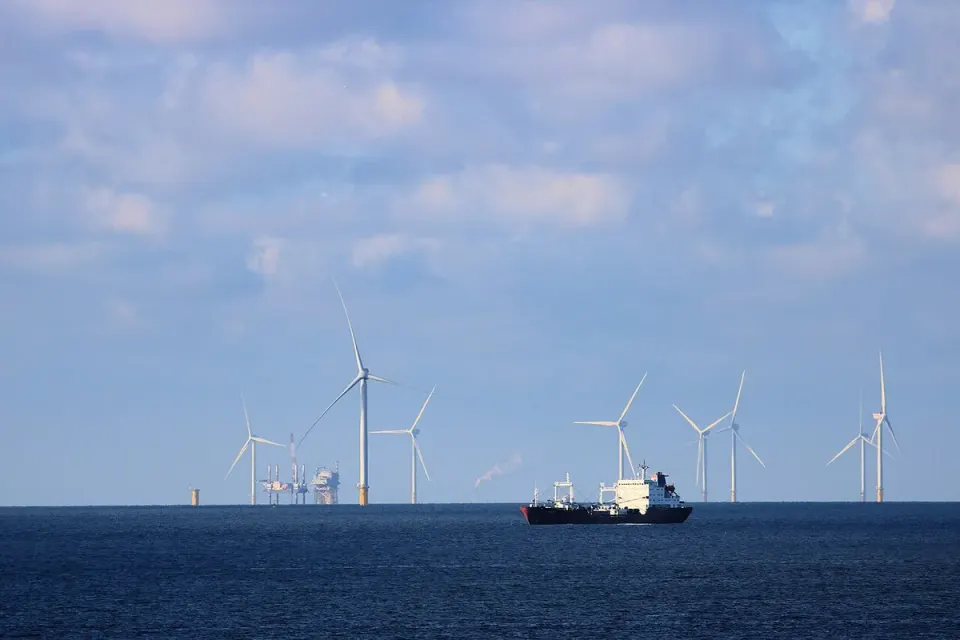
Compounding the internal crisis is the shadow of the 'Lindsey O. Graham Sanctioning Russia and Iran Act of 2026.' This legislation, recently signed by President Trump, represents a 'turbocharged' version of tariff diplomacy designed to trap the Iranian economy by targeting its remaining international trade partners. The Act aims to force an end to regional conflicts by making the economic cost of supporting proxy groups unbearable. This external pressure is being felt on the ground in Yemen, where a Saudi-led coalition has launched 'Operation Dawn of Yemen,' involving 100 fighter jets to secure the Bab al-Mandab Strait. The military escalation against Iran-backed forces further complicates the risk profile for Iranian trade, as maritime security in the Red Sea remains volatile.
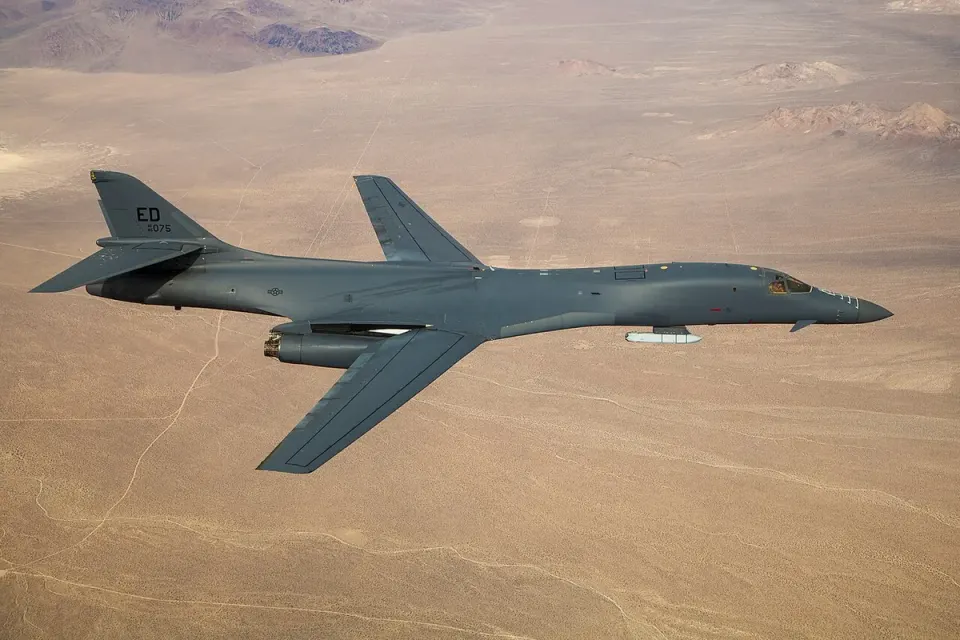
Adding to the tension, the sudden withdrawal of ten U.S. B-1 bombers from RAF Fairford in the UK—reportedly due to a credible terror threat involving a British-Iranian national—has heightened fears of a direct kinetic confrontation. When strategic assets move this abruptly, markets typically price in 'geopolitical insurance.' This explains why Gold 18k rose by 0.5% today, reaching 26,587,100 Toman per gram. Investors are no longer just watching the dollar; they are watching the flight paths of bombers and the movement of carrier groups, knowing that any spark in the region could send the Toman into a tailspin.
Market Realities and the Investor’s Path
While the currency market remained relatively stable at the 269,600 level, the real action was in the Emami Coin, which rose from 271,000,000 to 273,000,000 Toman (+0.7%). This outperformance of gold coins over the physical dollar suggests that Iranians are prioritizing liquidity and 'safe-haven' status over holding paper currency. In the crypto space, Bitcoin continues to hold strong at $85,350, providing a digital alternative for those looking to bypass the traditional banking system which remains under the hammer of the Graham Act’s secondary sanctions. The CFTC’s new plans for federal oversight of crypto exchanges in the US may eventually impact global liquidity, but for now, BTC remains a primary escape valve for local capital.
Looking ahead to tomorrow, the focus will remain on the NIOC’s first statements under acting leadership and any further developments from the US Supreme Court regarding climate and energy litigation, which could indirectly influence Trump's energy policies. For the Iranian household, the takeaway is clear: the era of 'oil-backed stability' is facing its toughest test yet. Diversifying into gold or stable digital assets isn't just a strategy for the wealthy anymore; it is becoming a necessity for anyone trying to outpace the inflationary pressure of a sanctioned oil industry.

Frequently Asked Questions
چرا وزیر نفت ایران در این شرایط حساس استعفا داد؟
قانون گراهام ۲۰۲۶ چیست و چه تاثیری بر ایران دارد؟
چرا قیمت سکه بیشتر از دلار رشد کرده است؟
Understanding Secondary Sanctions and Their Global Reach
Secondary sanctions are a powerful tool in international relations, allowing a sanctioning country to extend its punitive measures beyond its direct jurisdiction. Unlike primary sanctions, which prohibit a country's own citizens and entities from engaging in specific activities with a target country, secondary sanctions target third-party individuals, companies, or even countries that conduct certain transactions with the sanctioned entity. The primary enforcer of these sanctions, often the United States, leverages its dominant position in the global financial system, particularly the widespread use of the U.S. dollar and access to its vast market.
The mechanism of secondary sanctions is rooted in the threat of exclusion. If a non-U.S. entity engages in activities deemed sanctionable by the U.S. (e.g., purchasing oil from Iran), that entity risks losing access to the U.S. financial system, including the ability to conduct transactions in U.S. dollars or access U.S. markets. This threat is often potent enough to deter companies and countries from continuing trade with the sanctioned nation, even if their own national laws permit it. The goal is to isolate the target country economically by making it too risky for international partners to engage with them.
For a country like Iran, heavily reliant on oil exports, secondary sanctions can be devastating. By threatening to sanction any entity that buys Iranian crude, the U.S. effectively chokes off Iran's primary source of foreign currency revenue. This leads to a severe reduction in oil sales, a depreciation of the national currency (like the Iranian Rial), inflation, and a general decline in economic activity. The difficulty in finding buyers and processing payments forces the sanctioned country to seek alternative, often less efficient or more costly, trade routes and financial mechanisms, further exacerbating its economic challenges.