Toman Rebounds as Gold Prices Soar Amidst Geopolitical Tensions
سقوط دلار و صعود طلا در بحبوحه تنشهای ژئوپلیتیکی
The Iranian Toman experienced a significant rebound today, recovering from recent dips as gold prices surged to new heights. This market movement occurs against a backdrop of escalating global tensions and specific regional incidents that have heightened investor uncertainty.
At time of publishing
USD
265,000
Toman
Gold 18K
26.07M
Toman / gram
Bitcoin
$81,802
US Dollar
Tether
264,999
Toman
What Actually Happened
The Iranian Toman showed resilience today, reversing some of its recent losses against the US dollar. The sell rate for USD closed at 265,000 Toman, up from its earlier trading range, while the buy rate settled at 263,432 Toman. This recovery comes as gold prices, particularly the Emami coin, experienced a dramatic surge, climbing 3.9% to 268,000,000 Toman. The 18-carat gold gram also saw a 1.4% increase, reaching 26,074,611 Toman.
Globally, Bitcoin experienced a dip, falling below $82,000 following hotter-than-expected US core CPI data, which revived concerns about potential Federal Reserve interest rate hikes. Standard Chartered also revised its stablecoin market forecast, pushing its $2 trillion projection to 2030, citing stalled supply growth. Meanwhile, reports emerged of AI agents making millions of crypto payments, with US-linked wallets dominating the spending on AI models.
---
Why This Matters to Iranians
For everyday Iranians, the fluctuating Toman means direct impacts on purchasing power and the cost of imported goods. A strengthening Toman, even if temporary, offers a slight reprieve from rising prices. However, the concurrent surge in gold prices presents a complex picture. While gold and coins are traditional safe-haven assets for Iranians seeking to preserve wealth against currency depreciation and inflation, this sharp increase makes them less accessible for many. The rising cost of gold directly affects the value of savings and investments held in this form, potentially widening the gap between those who can afford to hedge their wealth and those who cannot.
The global economic signals, such as the dip in Bitcoin and the Fed's interest rate concerns, also cast a long shadow. High US inflation and potential rate hikes globally can lead to tighter international financial conditions, which often translate into increased pressure on emerging market currencies, including the Toman, through reduced foreign investment and capital flight. This creates a challenging environment for economic planning and stability within Iran.
---
The Bigger Picture: Geopolitics and Market Sentiment
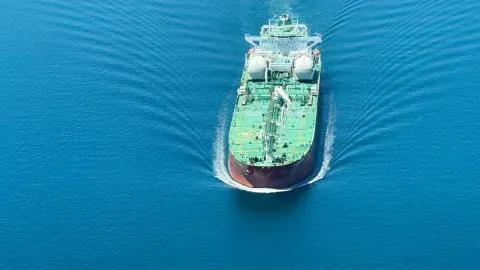
Escalating geopolitical tensions continue to be a significant driver of market sentiment. News of two container ships sinking near the Strait of Hormuz following a surge in Iranian attacks underscores the fragility of regional maritime security. This heightened risk in a critical global trade route can disrupt supply chains and increase energy costs, with ripple effects felt worldwide, including in Iran's import/export dynamics and energy pricing.
Furthermore, student protests turning violent in Albania, while seemingly distant, contribute to a global atmosphere of instability. Such events, alongside ongoing conflicts and political uncertainties in various regions, amplify risk aversion among investors. This often leads to a flight towards traditional safe-haven assets like gold, explaining its sharp rise, while riskier assets like cryptocurrencies can come under pressure. The interconnectedness of global events means that instability anywhere can translate into volatility in markets that directly affect the daily lives and financial well-being of Iranians.
Takeaway: Monitor gold prices closely as a barometer of both inflation fears and geopolitical risk, understanding that its current high levels might be a double-edged sword for savers. The Toman's stability remains contingent on both domestic economic management and the unpredictable currents of international affairs.
Frequently Asked Questions
Why did the Toman recover today?
What is driving the surge in gold prices?
How do global events like protests in Albania affect Iranian markets?
What is the significance of Bitcoin's dip following CPI data?
Understanding Safe-Haven Assets Amidst Global Uncertainty
In times of economic instability, geopolitical turmoil, or high inflation, investors often seek refuge in what are known as safe-haven assets. These are investments that are expected to retain or even increase in value during periods of market stress, offering a degree of protection against financial losses. The core appeal of a safe-haven asset lies in its perceived reliability and its tendency to be uncorrelated, or even inversely correlated, with broader market movements, such as stock market downturns or currency devaluations.
Gold is the quintessential safe-haven asset, a role it has played for centuries. Its intrinsic value, historical acceptance as a store of wealth, and limited supply make it particularly attractive when traditional currencies are losing purchasing power due to inflation or when geopolitical events create widespread uncertainty. When tensions rise or inflation erodes savings, individuals and institutions often flock to gold, driving up its price as demand outstrips supply, as seen in the recent market trends. Other traditional safe havens include certain stable government bonds and currencies of politically neutral nations like the Swiss Franc or Japanese Yen.
More recently, assets like Bitcoin have been debated as potential "digital gold" or safe havens, especially in regions with high inflation or capital controls. While Bitcoin shares some characteristics with gold, such as limited supply and independence from central banks, its extreme price volatility means it doesn't yet offer the same consistent stability and reliability as gold during severe market crises. Understanding safe-haven assets helps explain why certain investments perform well when others falter, providing insight into investor behavior during periods of global uncertainty and economic stress.