
Toman Stabilizes as Regional Tensions Flare; Gold and Coins See Modest Gains
ثبات تومان در بحبوحه تنشهای منطقهای؛ طلا و سکه اندکی افزایش یافتند
The Iranian Toman showed resilience today, holding steady against the US dollar despite escalating regional geopolitical tensions. Meanwhile, gold and local coin prices experienced minor upticks, suggesting a cautious approach from investors seeking stability.
At time of publishing
USD
265,900
Toman
Gold 18K
26.17M
Toman / gram
Bitcoin
$82,320
US Dollar
Tether
266,269
Toman
What Actually Happened
Today's trading session saw the Iranian Toman maintain a relatively stable position against the US dollar, a notable feat given the backdrop of heightened regional instability. The USD sold for 265,900 Toman and was bought at 264,326 Toman. This stability, while welcome for consumers and businesses alike, masks underlying anxieties about escalating conflicts in neighboring regions. The modest gains observed in gold and local coin prices – with the Emami coin rising 0.7% to 270,000,000 Toman and 18k gold per gram ticking up 0.1% to 26,173,876 Toman – indicate a cautious demand for safe-haven assets.
Internationally, reports emerged of a Houthi missile strike on the Maashiq Presidential Palace in Aden, Yemen, which, while leaving the Prime Minister unharmed, claimed two lives. Saudi Arabia has pointed fingers at Iran for fueling this conflict. Concurrently, seven sailors went missing after drones struck two tankers near Romania's Black Sea coast, with a Nato source attributing the attack to Russia. These events underscore a volatile global security landscape, which typically translates into increased demand for traditional safe havens like gold and a potential weakening of currencies in emerging markets.
---
Why This Matters to Iranians
For the average Iranian, the stability of the Toman, even if fragile, is crucial for daily life. It directly impacts the cost of imported goods, from essential food items to electronic devices. When the Toman weakens significantly, prices for these goods skyrocket, eroding purchasing power and making it harder for families to make ends meet. Today's steady exchange rate offers a temporary reprieve, but the persistent regional tensions are a constant specter, threatening to devalue savings and increase inflation.
The uptick in gold and coin prices, though small, reflects a familiar hedging strategy employed by many Iranians. In times of uncertainty, physical assets like gold and coins are often seen as a more reliable store of value than the national currency. The slight increase suggests that many are either seeking to protect their wealth from potential currency depreciation or are taking advantage of minor dips to acquire assets they believe will hold their value, or even appreciate, in the face of global and regional turmoil. This behavior is a direct consequence of historical economic volatility and a lack of confidence in long-term currency stability.
---
The Bigger Picture
The geopolitical events unfolding in Yemen and the Black Sea, while geographically distant, have tangible implications for Iran's economy and its standing in the region. The ongoing conflict in Yemen, with accusations of Iranian involvement, continues to strain regional relations and could potentially impact oil shipping routes, a critical concern for Iran's own energy exports and global energy prices. A disruption in these routes, such as those potentially affected by the Black Sea incident, could lead to a surge in global oil prices, which, while potentially beneficial for Iran's oil revenue in the short term, also risks exacerbating global inflation and leading to further economic sanctions.
On the crypto front, Bitcoin remained relatively stable around $82,320, and Ethereum at $2,444.03. Tether (USDT) was trading at 266,269 Toman, closely mirroring the official USD rate. The cryptocurrency market, while often seen as a risk-on asset, has shown some resilience, possibly due to its global nature and its perceived utility as a hedge against inflation and currency controls in certain regions. However, significant geopolitical shocks can still trigger volatility, and the current climate warrants close observation for any shifts in investor sentiment, particularly regarding demand for stablecoins like USDT as a proxy for USD within Iran.

Looking ahead, investor attention will remain fixed on the developments in Yemen and the Black Sea, as well as any pronouncements from major central banks regarding monetary policy. For Iran, the interplay between regional stability, international relations, and domestic economic management will continue to dictate the trajectory of the Toman and the broader market. A sustained period of regional calm would likely bolster confidence, while further escalation could precipitate a sharper depreciation of the Toman and a more pronounced flight to hard assets. The cautious buying in gold and coins suggests that while immediate panic is averted, the market is bracing for potential future turbulence.
---
Today's Market Wrap
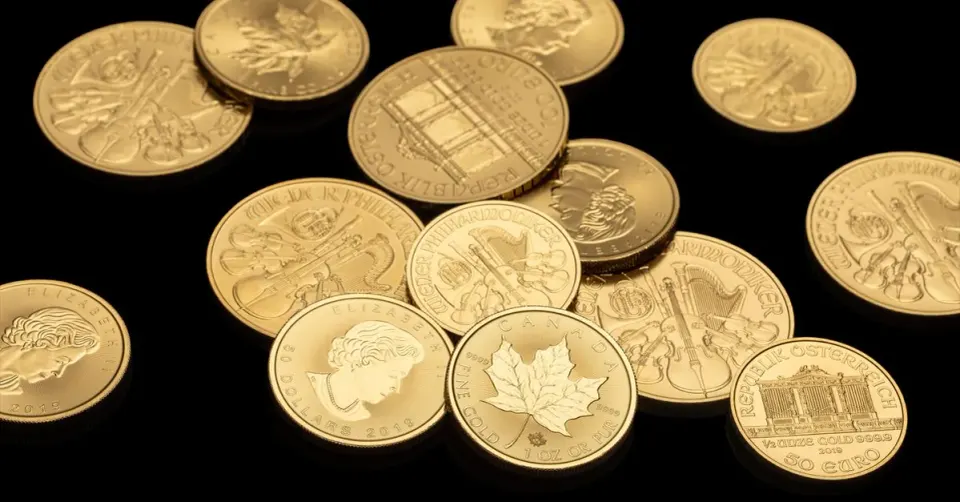
Today's close saw the USD/IRR exchange rate settle around 265,900 Toman for selling, a slight increase of 0.3% from yesterday's rate. This movement, while modest, indicates a continued upward pressure on the dollar, likely influenced by the prevailing regional uncertainties. Gold prices, specifically 18k gold per gram, also saw a marginal rise of 0.1%, closing at 26,173,876 Toman. The Emami coin, a benchmark for the domestic gold market, experienced a more significant jump of 0.7%, reaching 270,000,000 Toman. These movements collectively suggest a market that is sensitive to geopolitical risks, with investors showing a preference for tangible assets.
The European Union's ongoing concerns about populism and energy security, coupled with the drone attacks in the Black Sea, contribute to a global atmosphere of economic anxiety. This global backdrop inevitably filters into Iran's market dynamics, reinforcing the demand for safe-haven assets. While the Toman held its ground today, the underlying sentiment leans towards caution, with investors keeping a close eye on international developments that could impact currency stability and asset values.
Practical Takeaway: While the Toman showed resilience today, the uptick in gold and coin prices signals a growing appetite for safe-haven assets. Iranians looking to protect their savings should consider diversifying their holdings, but should also be mindful of the inherent volatility in these markets and conduct thorough research before making investment decisions.
Frequently Asked Questions
What was the closing price of the US Dollar in the Iranian market today?
Did gold and coin prices increase today?
What geopolitical events are influencing the Iranian market?
How does regional instability affect the Iranian Toman?
Safe‑Haven Assets: Why Gold and Coins Shine When Geopolitics Turn Turbulent
When political uncertainty spikes—whether from regional conflicts, sanctions, or sudden policy shifts—investors scramble for assets that are expected to retain value. These are called safe‑haven assets. The core idea is simple: in a market storm, assets with low correlation to equities or local currencies provide a cushion against losses. Historically, safe havens have included gold, government bonds of stable economies, and, in some markets, locally‑minted bullion coins that are widely trusted.
Gold is the archetypal safe haven. Its appeal lies in its physical scarcity, durability, and the fact that it is priced globally in U.S. dollars, making it a universal store of wealth. In Iran, gold is quoted in toman, and its price often moves in tandem with the exchange rate of the rial against the dollar. When sanctions tighten or regional tensions flare, the rial depreciates, pushing the local gold price higher even as the dollar‑denominated price may stay flat. This dual‑effect explains why Iranian investors watch the gold market so closely during crises.
Beyond raw gold bars, many Iranians turn to bullion coins such as the Emami Coin, which are minted locally but backed by a specific weight of gold. These coins combine the tangibility of gold with the convenience of a standardized, easily tradable unit. Because they are recognized by local merchants and banks, they can act as a quasi‑currency, offering a way to preserve purchasing power when the official exchange rate is volatile. However, they are not immune to risk: counterfeit coins, liquidity constraints, and government policy on gold ownership can all affect their safety.
The broader impact of safe‑haven demand ripples through the entire financial system. Strong buying pressure on gold and coins can lift the local gold price, which in turn can influence the effective exchange rate of the toman as traders use gold as a benchmark for currency value. This feedback loop can temporarily stabilize the currency, but it also underscores how geopolitical shocks can intertwine commodity markets, currency markets, and everyday purchasing power.