Toman Gains Ground Amid Diplomatic Friction; Europe Braces for Winter Energy Shock as Gas Reserves Dwindle
تقویت ریال در سایه تنشهای دیپلماتیک؛ آمادهباش اروپا برای بحران انرژی در زمستان سخت
The Iranian Toman showed resilience today, with the USD sliding 0.6% to 263,400 as local markets paused to digest regional diplomatic moves. Meanwhile, global markets are on edge as Europe faces a massive energy deficit and geopolitical tensions in the West Bank threaten new sanctions.
At time of publishing
USD
263,400
Toman
Gold 18K
26.11M
Toman / gram
Bitcoin
$81,206
US Dollar
Tether
264,174
Toman
The Toman’s Tactical Retreat
As the night session concludes on Saturday, October 17, 2026, the Iranian market has witnessed a rare moment of cooling. The US Dollar, which had been testing higher levels, moved from 265,000 to 263,400 Toman, marking a 0.6% decline over the last 24 hours. This slight appreciation of the Toman isn't necessarily a sign of long-term stability, but rather a tactical pause as traders weigh the implications of the latest regional diplomatic maneuvers. For the everyday Iranian, this minor dip offers a brief respite, though the shadow of inflation remains long, especially with the Emami coin dropping 1.3% to 266,500,000 Toman, reflecting a broader cooling in speculative demand.
The volatility in the coin market is particularly telling. Gold 18k followed suit, moving from 26,213,121 to 26,109,238 Toman per gram. While these numbers might seem like minor fluctuations to an outsider, for Iranians protecting their purchasing power, they represent the constant tug-of-war between local liquidity and global risk. The news that the Organization of Islamic Cooperation (OIC) is set to reapprove a resolution regarding the '12-day war' imposed on Iran, as claimed by Deputy Foreign Minister Kazem Gharibabadi, suggests that the diplomatic front is as active as the trading floor. This reapproval is a reminder of the persistent geopolitical friction that keeps the Toman on a knife's edge.
Global Energy Crises and Geopolitical Flashpoints
Beyond Iran's borders, a perfect storm is brewing in Europe that could eventually spill over into global oil prices and, by extension, the Iranian budget. Europe is currently bracing for a severe winter energy crisis as gas reserves run dangerously low. Reports indicate that the European Union has already shelled out an extra €100 billion for oil and gas this year alone. As infrastructure threats in the Middle East persist, the cost of heating and manufacturing in the West is expected to skyrocket. For Iran, a major energy producer, this theoretically presents an opportunity, but the reality of sanctions and trade constraints means the benefits are often indirect, manifesting as increased regional tension rather than direct revenue.
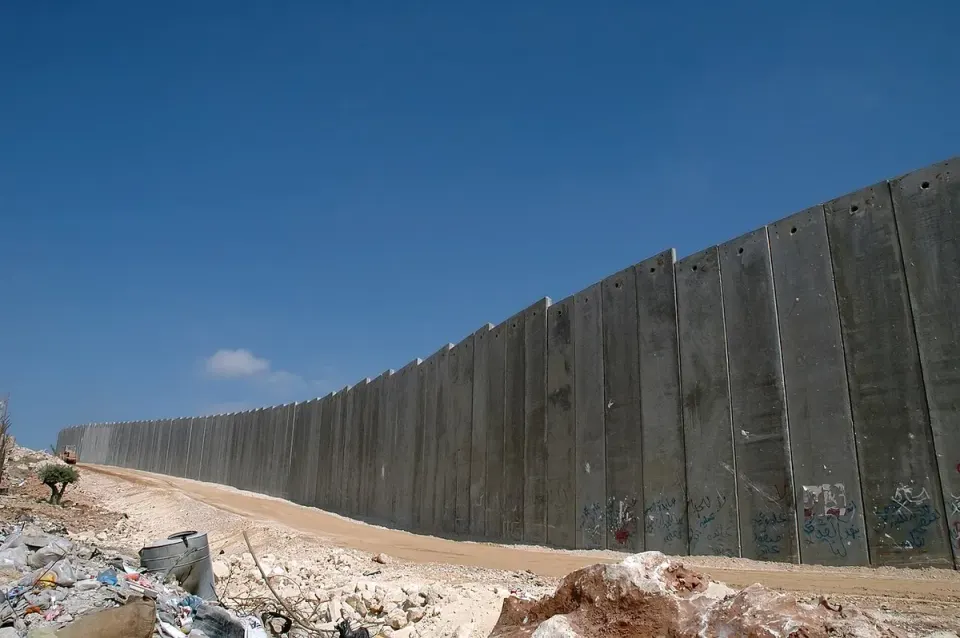
Adding fuel to the fire is the escalating violence in the West Bank. Masked settlers recently attacked European diplomats during a visit to the occupied territories, an event that has prompted Belgian Foreign Minister Hadja Lahbib to call for further EU sanctions. When diplomats from major powers are physically targeted, the risk of a wider diplomatic rupture increases. Markets hate uncertainty, and as these flashpoints multiply, gold—trading globally at a staggering $4,166.10 per ounce—remains the ultimate safe haven. For the Iranian investor, the high global gold price acts as a floor, preventing domestic gold prices from falling too far even when the Toman strengthens slightly.
Technology, Crypto, and the American Influence
In the digital realm, Bitcoin continues to hold its ground above the $81,000 mark. While the local Toman-denominated USDT is trading at 264,174, slightly higher than the paper dollar, the global crypto narrative is increasingly being shaped by American political spending. The crypto super PAC 'Fairshake' has reportedly poured an additional $7 million into ads targeting Ohio Democrat Sherrod Brown, bringing their total spending against him to over $46 million. This massive influx of capital into the US electoral process highlights how central crypto has become to the global financial identity, a trend that tech-savvy Iranians follow closely as they look for alternatives to the traditional banking system.
Interestingly, while crypto faces regulatory battles, technical innovation is finding solutions in unexpected places. Researchers at the University of Texas at Austin have suggested that wastewater from the oil and gas industry in the Permian Basin could be used to cool AI data centers. This intersection of energy and technology is crucial; as AI demand grows, the strain on water and power resources becomes a global challenge. For a country like Iran, which faces its own water and energy management crises, these technological pivots in the West provide a roadmap—or at least a cautionary tale—of how industrial waste can be repurposed to fuel the next generation of digital infrastructure.
The Practical Takeaway
Today's market movement suggests a temporary equilibrium. The 0.6% drop in USD is a window of opportunity for those needing to settle short-term foreign currency debts or for businesses looking to source essential imports before the next wave of volatility. However, with the European energy crisis looming and the OIC's diplomatic moves signaling continued regional tension, the long-term outlook remains cautious. Keep a close eye on the $81,000 level for Bitcoin and the $4,100 level for global gold; any significant break there will likely dictate the direction of the Tehran market by mid-week.
Frequently Asked Questions
چرا با وجود کاهش قیمت دلار، قیمت طلا در ایران ریزش شدیدی نداشت؟
بحران گاز در اروپا چه ارتباطی به بازار ارز ایران دارد؟
منظور از قطعنامه سازمان همکاری اسلامی (OIC) درباره ایران چیست؟
آیا کاهش فعلی قیمت دلار پایدار خواهد بود؟
Energy Security and Europe’s Strategic Gas Reserves
Energy security is the ability of a country or region to secure reliable, affordable, and sufficient energy supplies to meet its economic and social needs. In the European context, natural gas has long been a cornerstone of the energy mix, especially for heating during the cold winter months. When gas inventories fall below critical thresholds, the risk of supply disruptions rises sharply, prompting governments to activate emergency measures such as demand‑side curtailments, strategic imports, or the use of reserve stocks.
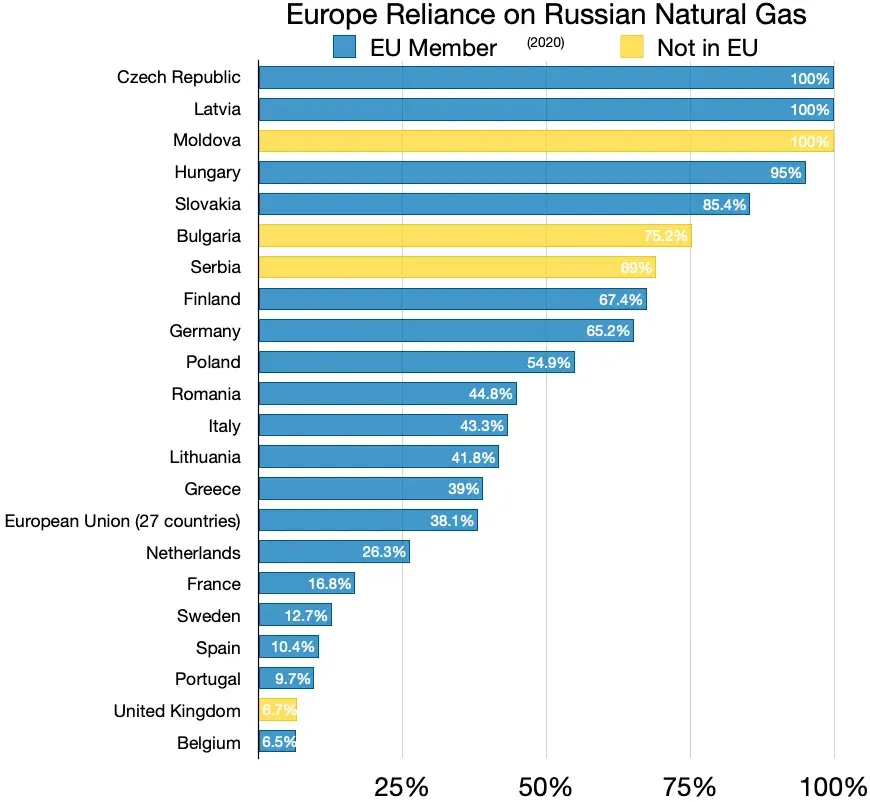
Europe’s dependence on imported gas—historically dominated by Russian pipelines—exposed the bloc to geopolitical leverage. Over the past decade, the EU has pursued diversification strategies: expanding liquefied natural gas (LNG) terminals, investing in renewable energy, and building up strategic gas reserves. The International Energy Agency (IEA) recommends that member countries maintain at least 12 weeks of net gas consumption in storage to weather a severe supply shock. Falling below this benchmark in 2026 has sparked concerns of a “winter energy shock,” where insufficient gas could force rationing, higher prices, and even blackouts.
To mitigate such risks, the EU’s Energy Union framework includes a “gas storage directive” that obliges member states to report inventory levels and coordinate cross‑border gas flows. Some countries, like Germany and Italy, have also created national strategic reserves that can be released in emergencies. However, building storage capacity is capital‑intensive, and the physical limits of underground caverns mean that not all demand spikes can be absorbed. Policymakers therefore complement storage with demand‑response programs, encouraging households and industry to reduce consumption during peak periods.
The winter of 2026 illustrates how a convergence of low reservoir levels, heightened geopolitical tension, and a colder-than‑average season can strain the system. Analysts forecast that gas prices could surge, prompting a spill‑over effect on electricity markets and even on commodities like gold and cryptocurrencies, which investors often turn to as hedges against inflationary pressures. Understanding the mechanics of energy security helps citizens grasp why governments emphasize reserve buildup and why price volatility can ripple through the broader economy.
For those interested in deeper study, the IEA’s annual Gas report provides detailed data on global production, consumption, and storage trends, while the EU’s energy policy documents outline the legal framework governing strategic reserves. Keeping an eye on these sources can offer early warning signs of future energy shocks and inform personal decisions about energy consumption and investment.