UK Counter-Terror Arrests and Saudi Oil Tensions Push USD to 263,500 as Gold Gains 1%
بازداشتهای امنیتی در بریتانیا و تنش نفتی سعودی؛ دلار و طلا در مسیر صعود
The Toman faced renewed pressure this Tuesday as news of arrests in the UK linked to Iranian intelligence coincided with a looming oil dispute between Saudi Arabia and Asian refiners. USD rose 0.5% while gold outperformed currency, jumping 1% as investors sought safety amid heightening regional and diplomatic friction.
At time of publishing
USD
263,500
Toman
Gold 18K
26.40M
Toman / gram
Bitcoin
$82,713
US Dollar
Tether
260,987
Toman
Diplomatic Friction and the Toman's Resilience
The Iranian Toman faced a challenging night session on Tuesday, October 20, 2026, as geopolitical headlines from Europe triggered a fresh wave of caution in Tehran’s informal markets. The most significant catalyst was the report from the UK where counter-terror police re-arrested two individuals on suspicion of assisting Iranian intelligence services following an incident at RAF Fairford. For the average Iranian trader, such news isn't just a headline—it is a signal of potential diplomatic escalation and the looming threat of further international isolation. This sentiment was immediately reflected in the currency desks, where the USD moved from 262,100 to 263,500 (+0.5%), breaking through a minor resistance level that had held for most of the week.
While a half-percent move might seem modest in the context of historical volatility, the timing is critical. The market is currently hypersensitive to any news that could derail ongoing regional de-escalation efforts. When security incidents involve major Western military hubs like RAF Fairford, the risk premium on the Toman inevitably rises. This isn't merely about the arrests themselves, but the potential for a formal policy response from London that could tighten the existing sanctions net. Investors are watching closely to see if this leads to a broader diplomatic row, which typically results in capital flight toward hard currencies and safe-haven assets.

Global Energy Shifts and Regional Maneuvers
Adding to the domestic pressure is a developing story in the global energy sector that has direct implications for Iran’s economic outlook. Saudi Arabia is currently locked in a dispute with Asian refiners over 2027 term oil deals, a situation exacerbated by the 'Iran war' disruptions earlier this year. With Brent crude hovering around $108 and the Brent-WTI spread widening, the global energy market is on edge. For Iran, any friction between its neighbors and major Asian buyers like China and India creates a complex landscape. While disruptions to Saudi supply could theoretically benefit Iranian spot sales, the overall climate of regional instability usually hurts the Toman more than the oil revenue helps it.
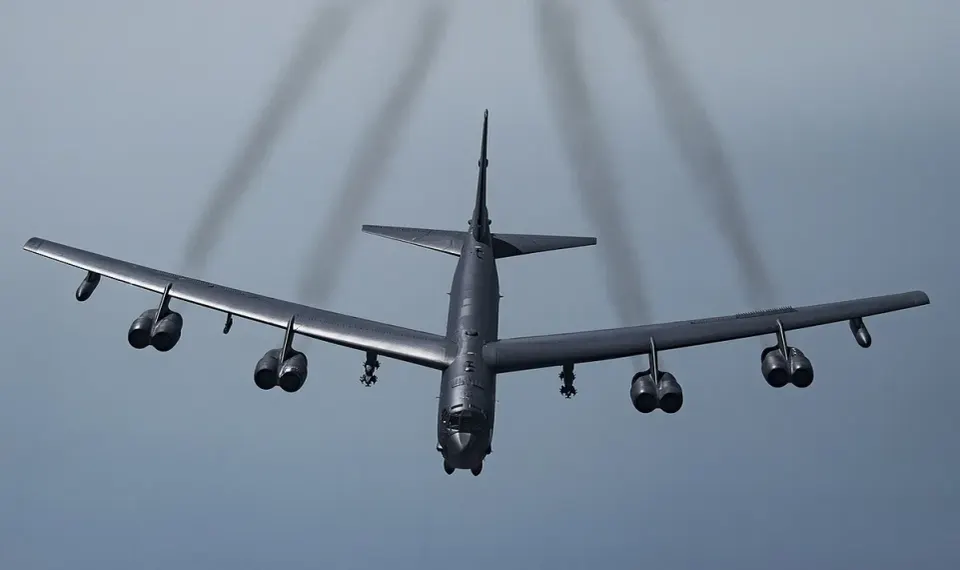
Simultaneously, domestic reports from IRNA indicate that the Iranian parliamentary commission is reviewing plans to significantly expand the Air Force’s capabilities. While presented as a defensive necessity, such announcements during times of high tension often contribute to a 'war footing' psychology in the markets. President Pezeshkian’s recent rhetoric about defending territory "at all costs" further solidifies this mood. When the state shifts its focus toward military expansion, the private sector often anticipates a reallocation of resources away from economic stabilization, leading to the hedging behavior we saw today in the gold market.
Gold Outperforms as the Ultimate Hedge
Today’s standout performer was undoubtedly gold. Gold 18k/gram moved from 26,150,791 to 26,402,419 (+1.0%), doubling the percentage gain of the US Dollar. This divergence is a classic sign of internal risk; when Iranians buy gold faster than they buy dollars, they aren't just betting against the Toman—they are betting against global stability. The Emami coin remained flat at 266,500,000, but the underlying bullion strength suggests that the retail market is bracing for a volatile Wednesday. Even the crypto market showed signs of this 'risk-off' sentiment, with Bitcoin trading at $82,713 as investors globally weigh the impact of corporate governance gaps and regulatory shifts in major economies like South Korea.
For the Iranian household, the takeaway is clear: the market is pricing in a period of heightened friction. Whether it is the legal drama in the UK or the energy disputes in the Persian Gulf, the common thread is uncertainty. In such environments, liquidity is king, but gold remains the preferred shield. As we move into tomorrow’s session, watch the 264,000 level for USD; a sustained break above this could signal a more aggressive depreciation trend. For now, the strategy remains defensive, with a heavy lean toward physical assets that sit outside the immediate reach of diplomatic fallout.

Frequently Asked Questions
Why did gold rise faster than the dollar today?
How do the UK arrests affect the exchange rate in Tehran?
What does the Saudi-Asia oil dispute mean for Iran?
Understanding the Petrodollar System and Its Global Ripple Effects
The petrodollar system is a monetary arrangement that emerged in the early 1970s when major oil‑producing nations, led by Saudi Arabia, agreed to price and sell their crude exclusively in U.S. dollars. In return, the United States offered military protection and guaranteed the recycling of oil revenues into dollar‑denominated assets, such as U.S. Treasury securities. This pact created a virtuous loop: oil‑rich countries needed dollars to buy oil, while the United States gained a steady demand for its currency, reinforcing the dollar’s status as the world’s primary reserve and transaction medium.
Because oil is a globally traded commodity, any disruption in supply or geopolitical tension—like the recent Saudi‑Asia oil dispute—can instantly affect the value of the dollar. When oil prices rise or the flow of oil is threatened, countries that import oil must spend more of their foreign‑exchange reserves, often leading to a strengthening of the dollar and a depreciation of other currencies. Iran’s rial (or toman) is a vivid example: sanctions, reduced oil export earnings, and the need to purchase oil in dollars have driven the rial into a steep decline, eroding purchasing power and fueling inflation.
The petrodollar dynamic also explains why gold often rallies during periods of dollar strength and oil‑related uncertainty. Investors view gold as a hedge against currency depreciation and inflation. When the dollar appreciates sharply due to oil‑price shocks, the real return on dollar‑denominated assets can feel uncertain, prompting a shift toward safe‑haven assets like gold. This pattern was evident in the recent market move where the USD index surged to 263,500 points while gold posted a modest gain.
For economies heavily dependent on oil revenues—such as Saudi Arabia and, to a lesser extent, Iran—the petrodollar system shapes fiscal policy, foreign‑exchange management, and even defense spending. Iran’s efforts to expand its air force and develop alternative payment mechanisms are partly driven by the desire to reduce vulnerability to dollar fluctuations and sanctions. Understanding the petrodollar framework thus provides a lens to interpret currency movements, commodity price swings, and geopolitical strategies in today’s interconnected market.
Topics
Related Articles