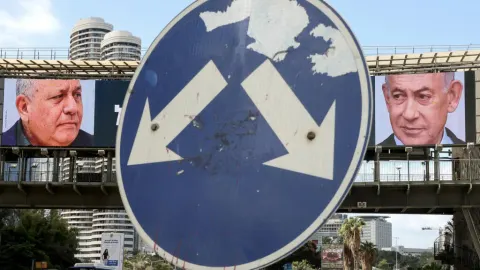
Oil Braces for $115 as Tehran Challenges Nuclear 'Double Standards' at UN Security Council
نفت در آستانه ۱۱۵ دلار؛ چالش هستهای ایران در شورای امنیت و ریزش جزئی قیمتها در تهران
While global oil markets brace for escalation near the Strait of Hormuz, Tehran's domestic market saw a slight cooling today with USD and Gold prices edging lower. We analyze the intersection of nuclear diplomacy and energy security as Brent crude nears record levels.
At time of publishing
USD
269,900
Toman
Gold 18K
26.17M
Toman / gram
Bitcoin
$80,704
US Dollar
Tether
269,657
Toman
The Nuclear Standoff and Toman's Resilience
As the sun set on Tehran this Tuesday, October 27, 2026, the domestic currency market showed a surprising degree of resilience despite heated rhetoric on the international stage. In New York, Iran’s Ambassador and Chargé d’Affaires, Gholamhossein Darzi, delivered a sharp critique to the UN Security Council, accusing Western members of maintaining 'double standards' regarding nuclear oversight. According to reports from IRNA, Darzi questioned why the council remains silent on Israel's nuclear arsenal while expressing concern over the absence of IAEA inspectors in Iran. This diplomatic friction often serves as a catalyst for volatility, yet the Toman held its ground today. The US Dollar moved from 270,500 to 269,900, representing a modest 0.2% decrease in the sell rate.
This cooling of the exchange rate suggests that local traders may be pricing in a 'wait-and-see' approach rather than immediate panic. While the official claims from Tehran attempt to shift the focus of the nuclear debate, the market is more attuned to the actual flow of capital and the potential for new sanctions. The fact that the USD buy rate sits at 268,303 indicates a narrow spread, reflecting a market that is liquid but cautious. For everyday Iranians, this minor dip provides a momentary breather, though the underlying geopolitical tension remains a heavy cloud over long-term savings strategies.

Energy Markets on Edge: The $115 Oil Reality
Beyond the halls of the UN, the real pressure is building in the waters of the Persian Gulf. Brent crude is currently holding near $115 per barrel as markets brace for potential escalation following the U.S. midterms. Reports indicate that maritime attacks in the Strait of Hormuz have more than doubled in October compared to September, making the world’s most vital energy chokepoint both more dangerous and more expensive to navigate. President Masoud Pezeshkian, speaking from Moscow, claimed that U.S. military intervention in the region is the primary disruptor of global energy pricing and transit. However, analysts note that the increased regional risk premium is exactly what is keeping oil prices elevated, which theoretically should bolster Iran's state revenue, yet rarely trickles down to stabilize the Toman's purchasing power.
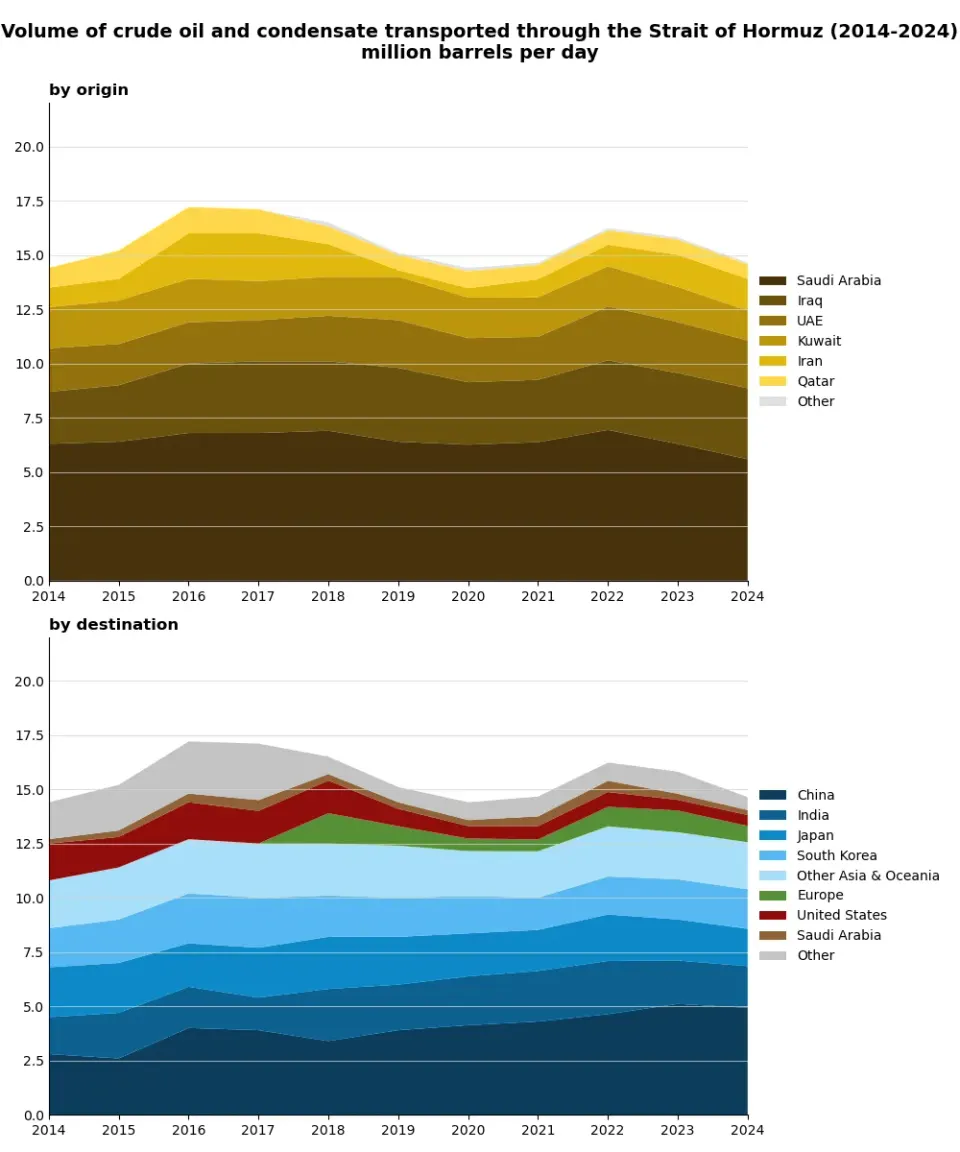
For the Iranian consumer, high oil prices are a double-edged sword. While they provide the government with a fiscal cushion, they also invite stricter enforcement of sanctions and increased military presence in the region. The 0.7% drop in Gold 18k (moving from 26,358,557 to 26,166,951 Toman per gram) and the similar 0.7% decline in the Emami coin (dropping to 266,500,000 Toman) reflect a temporary exit from 'safe-haven' assets as some investors move toward liquid cash or wait for clearer signals from the U.S. election cycle. This movement in gold is particularly notable given that global gold ounces are trading at a staggering $4,062.30, indicating that the local price drop is driven more by Toman dynamics than global bullion trends.
Corporate Shifts and the AI Frontier
While geopolitics dominates the headlines, the global financial landscape is being reshaped by massive corporate moves that will eventually impact Iranian tech and investment sentiment. Anthropic, the AI heavyweight, is moving forward with an elaborate IPO plan designed to keep Wall Street’s short-term pressures at bay while tapping into public markets. This tension between 'safe AI' and 'profitable AI' mirrors the broader struggle in global markets to balance innovation with stability. Simultaneously, in the traditional sector, JetBlue saw its stock surge over 20% after finally charting a path to profitability. These stories remind us that even in a world of high-stakes diplomacy, the fundamental drivers of value remain efficiency and technological dominance.
For Iranians looking to diversify, the crypto market remains a volatile but essential frontier. Bitcoin (BTC) is currently trading at $80,704, maintaining its position as a digital hedge, while Tether (USDT) in the local market is priced at 269,657 Toman, almost at parity with the physical dollar. The takeaway for the night is clear: while the headlines scream of nuclear standoffs and oil wars, the local market is currently in a state of consolidation. The slight drop in prices today is not necessarily a trend reversal, but a tactical pause. Tomorrow’s session will likely be dictated by any further developments in the Hormuz 'tit-for-tat' and the closing tone of the New York diplomatic sessions.
Frequently Asked Questions
چرا قیمت طلا در ایران کاهش یافت در حالی که انس جهانی صعودی است؟
آیا نفت ۱۱۵ دلاری به نفع اقتصاد ایران است؟
تأثیر عرضه اولیه Anthropic بر بازار کریپتو چیست؟
Understanding Brent Crude Oil Pricing
Brent crude is one of the world’s most important oil price benchmarks. It originated in the 1970s as a blend of crude from fields in the North Sea, primarily the Brent, Forties, Oseberg and Ekofisk reservoirs. Because the North Sea is relatively stable and the oil is of high quality (light and sweet), traders use Brent to price roughly two‑thirds of the global oil market, especially in Europe, Africa and the Middle East.
The price of Brent is set every day on the Intercontinental Exchange (ICE) through an electronic auction where market participants submit bids and offers for futures contracts. These contracts represent the right to buy or sell a barrel of oil at a future date, and the most actively traded contract (usually the nearest‑month future) determines the spot price that is quoted in the news – for example, "Brent at $115 a barrel." The price reflects expectations about supply, demand, geopolitical risk (such as tensions in the Strait of Hormuz), and inventory levels.
Because Brent is a global benchmark, movements in its price ripple through other commodities and currencies. A rise to $115 per barrel can lift the price of gasoline, increase inflation pressures, and even affect exchange rates in oil‑exporting countries like Iran, where the rial’s value is closely tied to oil revenues. Conversely, a sharp drop can ease inflation but also strain fiscal budgets that depend on oil income.
Understanding the mechanics behind Brent pricing helps investors, policymakers, and ordinary citizens gauge how events – from OPEC production decisions to sanctions on Iran – may translate into everyday economic outcomes. It also explains why news about a single barrel price can dominate headlines, even though the underlying market is a complex web of contracts, expectations, and geopolitical factors.
For those who want to dig deeper, the next steps include studying futures market dynamics, the role of OPEC in balancing supply, and how alternative benchmarks like West Texas Intermediate (WTI) differ from Brent in terms of geography and quality.
Topics
Related Articles