Billionaire Retreats and African Ambitions: Why Global Energy Shifts are Shaking Tehran’s Gold Market
خروج میلیاردرها از بازار نفت و قمار بزرگ نیجریه؛ چرا طلا در تهران مسیر خود را جدا کرد؟
As the world's richest man offloads $1.15 billion in oil stocks, Africa’s largest refinery goes public, signaling a massive recalibration of energy assets. In Tehran, the Toman edged up to 271,200 while gold prices retreated despite global highs.
At time of publishing
USD
271,200
Toman
Gold 18K
26.13M
Toman / gram
Bitcoin
$81,017
US Dollar
Tether
270,418
Toman
The Great Energy Recalibration
The global energy landscape is witnessing a profound shift that is reverberating from the boardrooms of Mexico City to the trading floors of Tehran. Carlos Slim, Mexico’s wealthiest individual, has reportedly offloaded over $1.15 billion in U.S. oil stocks this year. This move is particularly striking because it comes at a time when regional conflicts, specifically the ongoing tensions involving Iran, have pushed crude prices and energy shares to significant heights. Slim’s decision to cut his stakes in PBF Energy and Talos Energy in half suggests that 'smart money' may believe the energy sector has reached a temporary peak, or at least that the risk-to-reward ratio is no longer favorable despite the geopolitical premium.
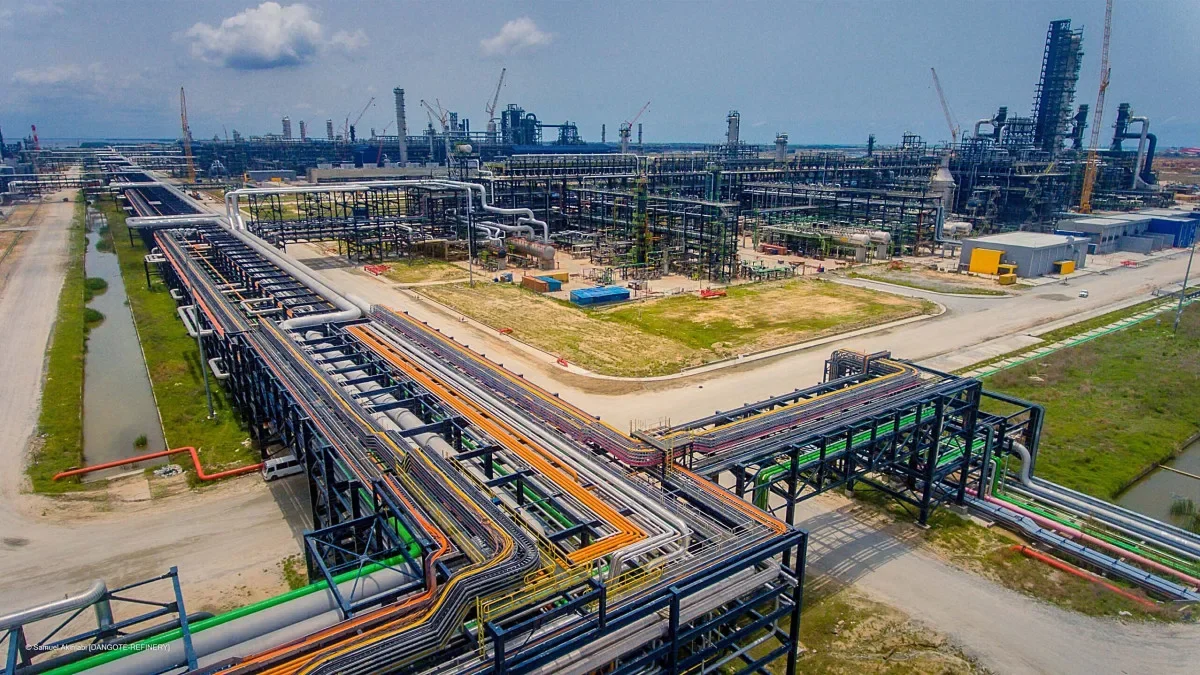
Simultaneously, on the African continent, the Dangote Petroleum Refinery has concluded its highly anticipated IPO. This is not just a corporate event; it is an attempt to bring Africa’s industrial ambitions directly onto investor balance sheets. While the refinery promises to transform Nigeria's energy security, analysts are already raising red flags about the valuation. The core concern for any investor, whether in Lagos or Tehran, remains the same: are you paying for sustainable growth or a temporary spike in earnings? This skepticism is echoed in the failure of a major carbon capture project in Canada, which passed every technical hurdle but failed the 'investment test,' proving that capital is becoming increasingly selective in a high-interest-rate environment.
Tehran’s Market: A Divergent Path
In the local market on Thursday, October 29, 2026 (پنجشنبه ۷ آبان ۱۴۰۵), we observed a rare decoupling between domestic gold and the global spot price. While the international gold ounce hovered at a staggering $4,021.80, the price of 18k gold in Tehran fell from 26,432,429 to 26,132,323 Toman, a decline of 1.1%. Similarly, the Emami coin dropped from 268,000,000 to 266,500,000 Toman (-0.6%). This downward movement in gold, amidst global records, suggests a potential saturation in local demand or a strategic shift by Iranian investors toward the greenback or stablecoins as a more liquid hedge against immediate volatility.
The US Dollar, meanwhile, showed resilience. The USD/IRR rate moved from 270,700 to 271,200 Toman, a modest gain of 0.2%. This slight upward pressure on the dollar, even as gold retreats, indicates that the currency remains the primary barometer of economic anxiety for everyday Iranians. As regional tensions persist, the demand for hard currency remains the dominant force, often overriding the traditional correlations between gold and the Toman. For the average household, this means that while gold might offer a slight discount today, the cost of imported goods and general inflation—closely tied to the dollar—continues its slow, upward grind.
Why This Matters for Your Wallet
The broader market context is further complicated by the situation in the United States, where interest rates remain high and credit card debt is becoming a 'debt trap' for many. This global tightening of credit affects risk appetite everywhere. When billionaires like Carlos Slim exit oil, and massive industrial projects in Canada fail to secure funding, it signals a world where cash is king and speculative bubbles are under threat. For Iranians, this translates to a need for extreme caution. The fact that Bitcoin is holding steady at $81,017 while $11 billion in options are set to expire tomorrow adds another layer of uncertainty to the weekend outlook.
The takeaway for the Iranian investor is clear: the market is currently in a state of high-stakes transition. The divergence between local gold and global trends suggests that domestic factors—liquidity, local sentiment, and central bank intervention—are currently more influential than international benchmarks. As we move into the weekend, the focus remains on whether the USD will break past the 272,000 resistance level or if the current cooling in the gold market is a precursor to a broader correction. In an economy where 'steadfastness' is often the official mantra, the reality for the citizen is a constant, calculated dance with devaluation.
Frequently Asked Questions
چرا قیمت طلا در تهران با وجود رکوردشکنی اونس جهانی کاهش یافت؟
فروش سهام نفتی توسط کارلوس اسلیم چه معنایی برای بازار ایران دارد؟
عرضه اولیه پالایشگاه دانگوته چرا در اخبار اقتصادی جهان مهم است؟
Iran's Dual Exchange Rate System: How It Shapes the Gold Market
Iran operates a dual (or multiple) exchange rate system in which the official rate set by the Central Bank co‑exists with a parallel market rate that reflects supply‑and‑demand dynamics under heavy sanctions and fiscal pressure. The official rate is used for essential imports such as food and medicine, while the market rate determines the price of non‑essential goods, capital flows, and the valuation of assets like gold. Because the two rates can diverge dramatically – often by several hundred percent – businesses and households must decide which rate to use when converting rials into foreign currency, a choice that directly influences the price of gold in Tehran.
When the market rial weakens against the US dollar, the price of gold in rial terms spikes. Gold is traditionally viewed as a hedge against inflation and currency devaluation, so Iranians flock to the metal when the parallel exchange rate jumps. In October 2026, for example, the market rate of the rial was roughly 500,000 IRR per USD, while the official rate lingered near 300,000 IRR. This gap translated into a Tehran gold price of about 18,000 USD per ounce, far above the global spot price. The disparity illustrates how exchange‑rate policy, sanctions‑driven shortages of foreign currency, and investor psychology intertwine to drive local gold premiums.
The dual system also creates arbitrage opportunities and incentives for smuggling. Traders can buy dollars at the official rate for permitted imports, then sell the same dollars on the black market at a premium, pocketing the spread. This activity drains foreign reserves and fuels further devaluation, reinforcing the cycle of higher gold prices. Understanding this mechanism helps explain why headlines about billionaire oil‑stock sales or new refinery IPOs (e.g., Dangote’s) matter for Tehran’s market: any large inflow or outflow of foreign currency can shift the parallel rate and, consequently, the gold price.
Policymakers have attempted reforms, such as unifying the rates or introducing a “managed float,” but progress is hampered by political constraints and the need to protect vulnerable populations. For observers, tracking the gap between the official and market rates offers a leading indicator of inflation expectations, gold demand, and broader economic stability in Iran.
For a deeper dive, see the references below, which cover the mechanics of dual exchange rates, Iran’s recent monetary policy moves, and the gold market’s response to currency shocks.
Topics
Related Articles