Toman Hits 272,000 as Delhi Unrest and Moscow Ties Redefine Regional Risk
عبور دلار از مرز ۲۷۲ هزار تومان همزمان با ناآرامیهای هند و سیگنالهای تجاری مسکو
The Iranian Toman faced renewed pressure this Sunday, with USD climbing 0.7% to hit 272,000 while gold prices surged 1.2%. As mass protests shake India and Russia calls for deeper strategic ties, the market is pricing in a complex shift in regional stability.
At time of publishing
USD
272,000
Toman
Gold 18K
25.66M
Toman / gram
Bitcoin
$78,087
US Dollar
Tether
271,331
Toman
The Toman’s Sunday Slide
The Iranian currency market closed the first day of November 2026 on a defensive note. The US Dollar moved from 270,000 to 272,000 (+0.7%), breaching a psychological level that had held steady for much of the previous week. This movement was mirrored by a more aggressive rally in the gold sector, where 18k gold rose from 25,358,973 to 25,663,696 (+1.2%). For the average Iranian household, this uptick signals a persistent inflationary pressure that refuses to abate, even as global oil markets remain relatively stable. The divergence between the currency's modest rise and gold's sharper jump suggests that local investors are seeking a 'safe haven' within a safe haven, fearing that regional geopolitical shifts might outpace currency depreciation.
This price action isn't happening in a vacuum. Market participants are closely watching the volatility in the Tether (USDT) market, which sat at 271,331 Toman this evening. The fact that USDT is trading slightly below the physical USD sell rate indicates a tight liquidity environment in the local 'Sana' and open markets, but also suggests that the digital flight to safety hasn't reached a fever pitch just yet. However, the 1.2% jump in gold is the real story today; it reflects a broader global trend where the ounce remains near $3,876, driven by a world that feels increasingly fragmented and prone to sudden shocks.
The Delhi Disruption and the Trade Corridor
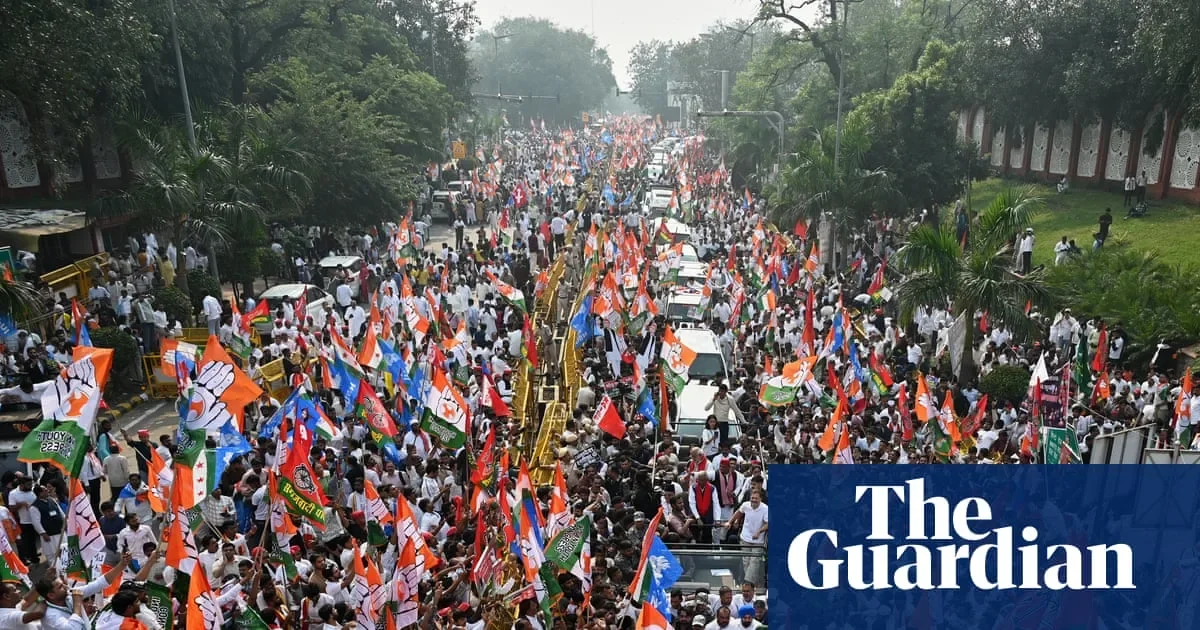
One of the most significant external pressures on today’s market sentiment came from New Delhi. Tens of thousands of protesters, led by the Congress party, flooded the streets of the Indian capital to voice their anger over the removal of 130 million names from the national voter roll. While this may seem like a purely internal Indian matter, it has direct implications for Iran’s economic strategy. India is the primary partner in the development of the Chabahar port, a vital gateway for Iran to bypass traditional sanctions-heavy routes and connect with Central Asia.

Instability in the world’s most populous nation threatens the timeline of these strategic infrastructure projects. If the Modi administration is forced to pivot toward domestic crisis management, the momentum for the International North-South Transport Corridor (INSTC) could stall. For Iranian traders, India represents a critical source of non-oil trade and a potential outlet for energy exports. Any sign of prolonged political paralysis in Delhi translates to a higher risk premium on the Toman, as it complicates the diversification of Iran’s foreign exchange sources.
Moscow’s Call and the Digital Future
Closer to home, Rajab Safarov of the Russian-Iranian Council for Trade Relations has called for a significant deepening of ties between Tehran and Moscow. This push for a more integrated economic and security bloc is designed to protect 'shared interests' against Western pressure. While the rhetoric is familiar, the timing is crucial. As the Toman edges higher, the prospect of a more robust, non-dollar-based trading system with Russia offers a glimmer of hope for long-term stabilization, even if it brings the risk of further secondary sanctions. This 'pivot to the East' is no longer just a diplomatic talking point; it is a market-moving reality that dictates how large-scale importers hedge their currency needs.

Beyond the immediate geopolitical sphere, the global markets are also reacting to the 'infrastructure of the future.' From the UK’s National Grid planning massive substations for AI data centers to the successful community resistance against a Meta data center in Wisconsin, the world is in a race for compute power and energy. This global AI boom is keeping the US Dollar strong internationally, making it even harder for the Toman to regain lost ground. Even the cultural sphere is contributing to market quirks; with the upcoming release of Grand Theft Auto VI causing expected labor shortages in the West, we see how 'experience economies' are now large enough to impact productivity and, by extension, the macro-environment that Iran must navigate. For the Iranian investor, the takeaway is clear: the market is being shaped by a mix of old-world protests and new-world technology, and diversification remains the only viable shield.
Frequently Asked Questions
چرا قیمت طلا امروز بیشتر از دلار رشد کرد؟
اعتراضات در هند چه تاثیری بر اقتصاد ایران دارد؟
آیا سیگنالهای روسیه میتواند قیمت دلار را کاهش دهد؟
تاثیر انتشار بازیهای بزرگی مثل GTA 6 بر بازار چیست؟
Geopolitical Risk and Currency Valuation
The daily fluctuations of currency exchange rates, like the Iranian Toman's recent depreciation, are often a direct reflection of underlying economic and geopolitical realities. Geopolitical risk refers to the potential for political events, conflicts, or international tensions to disrupt economic stability and market confidence. When such risks escalate, they can significantly influence a nation's currency valuation, often leading to depreciation as investors and markets react to uncertainty. This phenomenon is particularly evident in economies susceptible to external pressures or those with complex international relations.
Several mechanisms link geopolitical risk to currency depreciation. Firstly, heightened political instability or regional unrest can deter foreign direct investment and lead to capital flight, as investors seek safer havens for their assets. This outflow of capital reduces demand for the local currency, causing its value to fall. Secondly, disruptions to international trade routes or supply chains, often a consequence of geopolitical tensions (like the strategic importance of ports such as Chabahar), can negatively impact a country's balance of payments, further pressurizing the currency. Thirdly, geopolitical alliances and trade agreements, such as those between Russia and Iran, while potentially offering some stability, can also expose an economy to the risks associated with those partners, including sanctions or broader regional conflicts.
For a currency like the Toman, which has historically faced significant external pressures, geopolitical developments can have a pronounced effect. News of regional unrest, shifts in international alliances, or concerns over trade stability directly feed into market sentiment, influencing expectations about inflation and economic growth. When markets perceive increased risk, they demand a higher premium for holding assets denominated in the local currency, effectively devaluing it against stronger, more stable currencies like the US dollar. This can lead to a vicious cycle where depreciation fuels inflation, further eroding purchasing power and increasing the cost of imports.
Understanding this intricate relationship is crucial for interpreting global economic news. It highlights that currency values are not merely determined by internal economic indicators but are also deeply intertwined with the broader geopolitical landscape. Events ranging from distant protests to evolving international trade pacts can, in aggregate, redefine a nation's perceived risk profile and, consequently, the value of its money on the global stage.