Oil Craters 7% on Tehran’s Diplomatic Pivot; Gold Defies Global Slump to Breach 26M Toman
سقوط ۷ درصدی نفت با چراغ سبز دیپلماتیک تهران؛ طلا برخلاف روند جهانی از مرز ۲۶ میلیون تومان گذشت
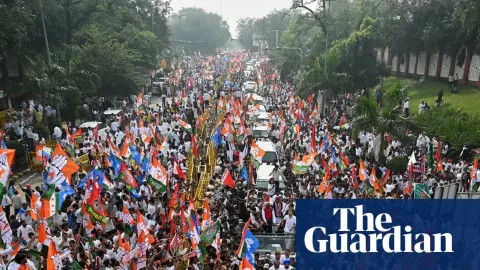
Global oil prices witnessed a historic intraday collapse on Monday as Tehran signaled a willingness to negotiate over the Strait of Hormuz. Despite the cooling of global energy markets, Tehran’s local gold and currency rates remained stubbornly high as regional tensions linger.
At time of publishing
USD
272,000
Toman
Gold 18K
26.06M
Toman / gram
Bitcoin
$77,009
US Dollar
Tether
272,606
Toman
The Great Oil Deflation: Diplomacy Over Defiance
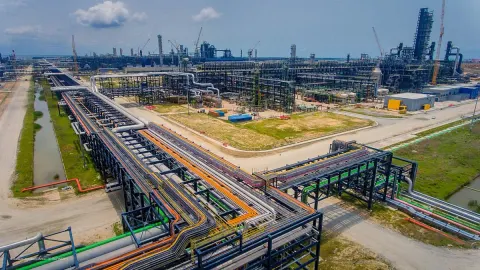
Global energy markets experienced a seismic shift on Monday as Brent crude, the international benchmark, plummeted by over 6.5% to settle at $105.55 a barrel. This sharp decline, the lowest level seen since mid-October, was triggered by a series of diplomatic signals emanating from Tehran. Iranian President Masoud Pezeshkian, according to state media reports, indicated that the government has been granted "certain authorities" by the Supreme Leader to pursue peace talks and resolve the ongoing conflict through dialogue. This sudden pivot toward de-escalation has effectively wiped out the "war premium" that had kept oil prices artificially inflated for weeks.
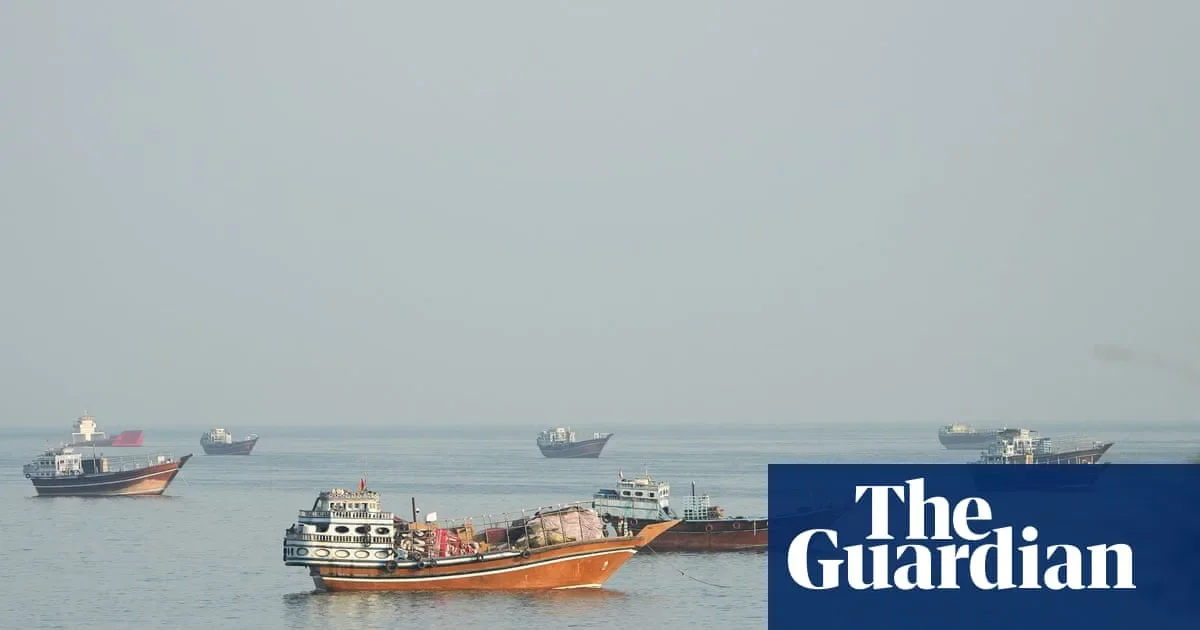
Adding weight to this diplomatic offensive is a proposed two-day plan to reopen the Strait of Hormuz and resume nuclear negotiations with the United States. While the market reacted with immediate relief, sending airline stocks higher and lowering government borrowing costs globally, the sustainability of this trend remains under heavy scrutiny. For the average Iranian, a lower global oil price is a double-edged sword; while it suggests a cooling of military tensions, it also pressures the national budget, which remains heavily reliant on energy exports despite years of crippling sanctions.
Tehran’s Market Paradox: Gold Rises as Oil Falls
In a striking divergence from global trends, the domestic market in Tehran refused to follow oil’s downward trajectory. While the world celebrated the prospect of cheaper energy, the Toman and local gold prices remained under pressure. The USD/IRR exchange rate moved from 271,800 to 272,000 (+0.1%) in the last 24 hours, showing that the demand for hard currency as a hedge against uncertainty has not yet evaporated. Even more pronounced was the movement in the gold market, where 18k gold rose from 25,721,409 to 26,058,451 Toman per gram (+1.3%).
This paradox can be attributed to the mixed signals coming from the region. While Tehran offered a diplomatic olive branch, Israeli Prime Minister Benjamin Netanyahu countered by stating his desire to "finish the job," a phrase that local traders interpreted as a sign that the military threat has not fully receded. Consequently, the Emami coin rose from 261,000,000 to 263,500,000 Toman (+1.0%). For Iranians, gold remains the ultimate "safe haven" asset, often reacting more to local security anxieties than to international commodity price shifts. As long as the rhetoric from Tel Aviv remains hawkish, the domestic gold bubble is unlikely to burst.

The Bigger Picture: AI Debt and the Peak Oil Horizon
Beyond the immediate geopolitical drama, broader structural shifts are reshaping the financial landscape. TotalEnergies released its annual outlook on Monday, moving the forecast for peak oil demand forward to between 2035 and 2040. The company noted that the ongoing war in the Middle East could actually accelerate the global energy transition as nations scramble to reduce their dependence on volatile oil supplies. This long-term bearish outlook for fossil fuels adds another layer of complexity for the Iranian economy, which must eventually transition away from its oil-centric model.
Meanwhile, in the technology sector, the cost of the AI revolution is becoming apparent. Oracle announced it is seeking $20 billion to fund its AI future, a move that saw its debt trading at levels comparable to "junk bonds" as investors worry about the massive capital expenditures required to stay competitive. This highlights a global trend where liquidity is being sucked into high-tech infrastructure, potentially leaving less room for emerging market investments. For Iranian investors, the lesson is clear: while local geopolitics drive the daily price of gold and the Toman, the global shift toward AI and renewable energy will dictate the value of assets over the next decade.

Practical Takeaway for the Week
With oil prices falling and the Toman remaining volatile, the immediate strategy for local savers should be one of cautious diversification. The 1.3% jump in gold today suggests that the market is not yet convinced by the diplomatic rhetoric. Watch the headlines tomorrow for any concrete steps toward the Hormuz reopening; if the two-day plan fails to materialize, we could see a sharp reversal in oil prices and a further spike in the USD/IRR rate. For now, holding a mix of physical gold and stablecoin (USDT) remains the most prudent way to navigate this high-stakes diplomatic poker game.
Frequently Asked Questions
چرا با وجود سقوط قیمت نفت، طلا در ایران گران شد؟
طرح دو روزه بازگشایی تنگه هرمز چیست؟
سقوط قیمت نفت چه تاثیری بر اقتصاد ایران دارد؟
چرا اوراکل به دنبال ۲۰ میلیارد دلار نقدینگی است؟
Understanding the Geopolitical Risk Premium in Oil Prices
The recent drop in oil prices following reports of Tehran's diplomatic pivot highlights a crucial concept in commodity markets: the geopolitical risk premium. This premium is an added cost built into the price of oil (and other strategic commodities) due to perceived instability, conflict, or uncertainty in major producing regions or critical transit routes. When tensions are high, or the threat of supply disruption looms, investors and traders factor in this risk, driving prices higher. Conversely, as seen with diplomatic breakthroughs or de-escalation, this perceived risk diminishes, and the premium can quickly evaporate, leading to significant price drops.
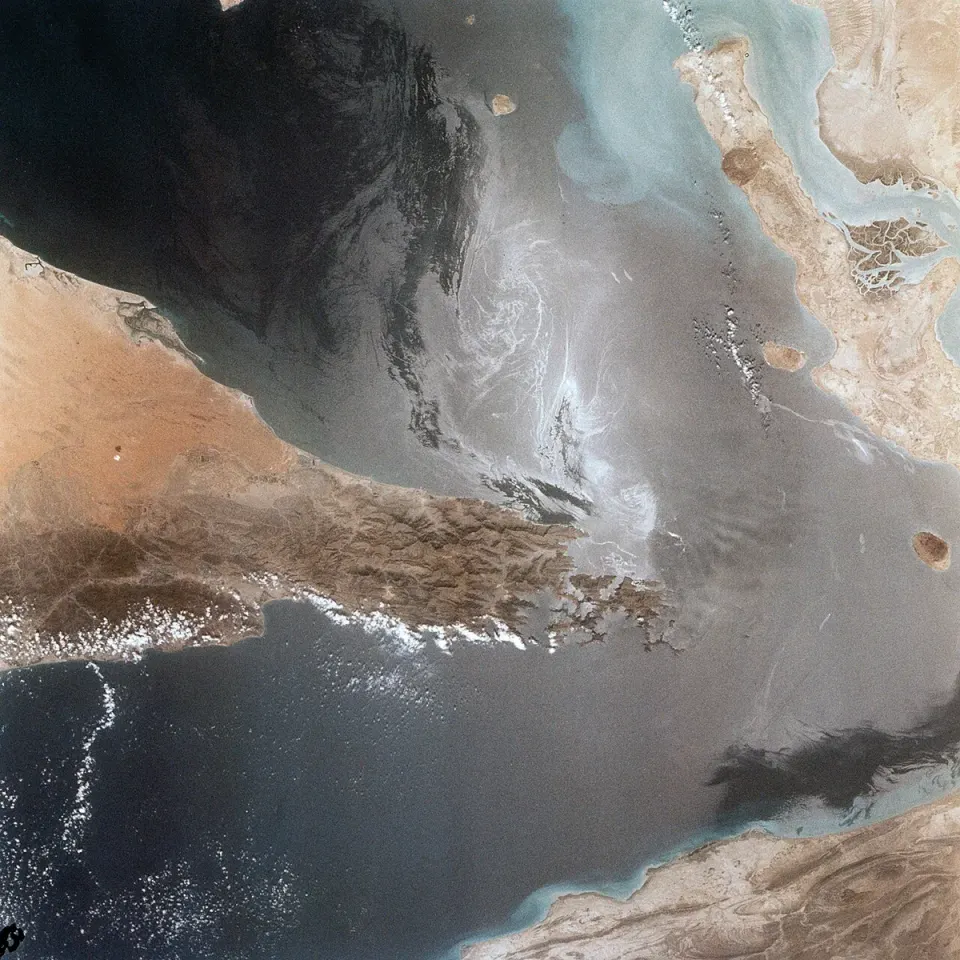
This phenomenon is particularly pronounced in the Middle East, a region central to global oil supply. Geopolitical events, such as shifts in international relations, nuclear negotiations, or even rhetoric concerning key maritime choke points like the Strait of Hormuz, directly influence market sentiment. The Strait of Hormuz, through which a substantial portion of the world's seaborne oil passes, is a prime example. Any perceived threat to its navigability or the stability of surrounding nations immediately triggers concerns about supply security, leading to an upward adjustment in oil prices as a hedge against potential disruptions.
Tehran's diplomatic pivot, as mentioned in the headline, suggests a potential reduction in regional tensions or a pathway to more stable international relations. For oil markets, this translates into a lower probability of supply disruptions originating from Iran or the broader Persian Gulf. As a result, the geopolitical risk premium that was previously priced into oil begins to dissipate. This rapid re-evaluation of risk by market participants can cause prices to crater, as the market adjusts to a new, less uncertain outlook. Understanding this mechanism is key to comprehending the volatility and sensitivity of global energy markets to political developments.
Beyond immediate price fluctuations, the geopolitical risk premium has broader implications for energy security and economic stability. Governments and corporations constantly monitor these risks, often making strategic decisions on energy diversification, stockpiling, and diplomatic engagement to mitigate potential impacts. For the average consumer, these shifts directly affect fuel costs, inflationary pressures, and overall economic confidence, underscoring the interconnectedness of geopolitics and daily life.