Toman Holds Steady as Strait of Hormuz Tensions Simmer; Gold Dips
تومان با وجود تنشهای تنگه هرمز ثابت ماند؛ طلا افت کرد
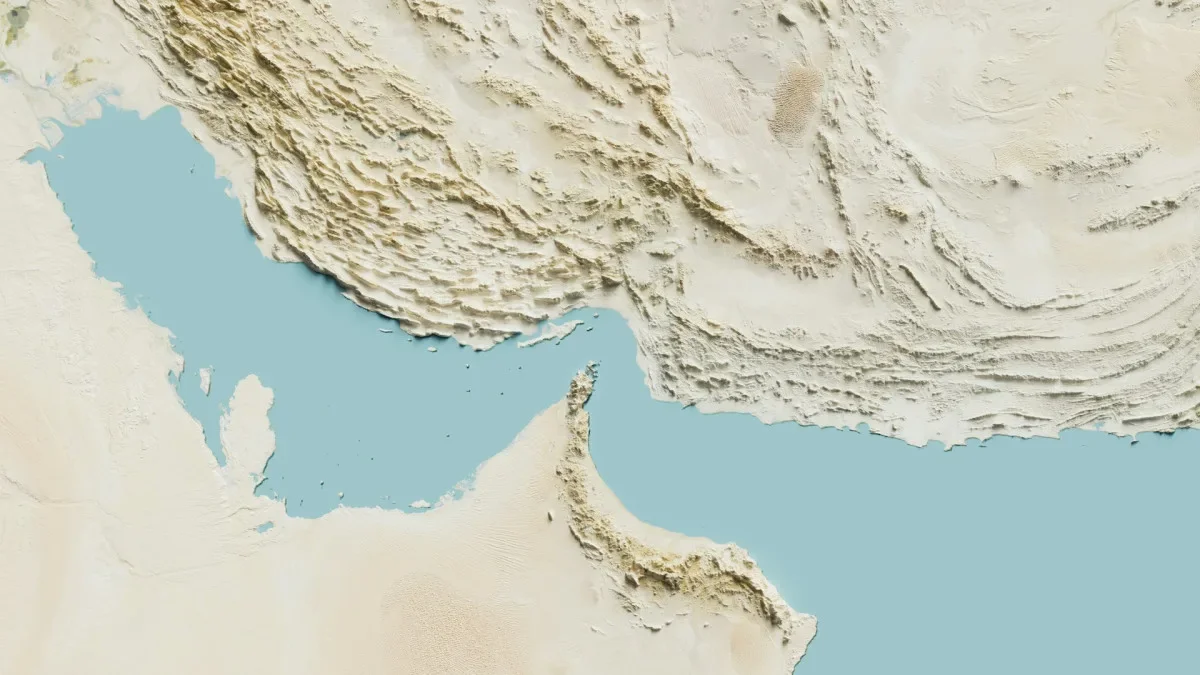
The Iranian Toman remained largely stable against the dollar today, even as conflicting reports emerged regarding the Strait of Hormuz. Meanwhile, gold prices saw a notable dip, reflecting broader market caution.
At time of publishing
USD
271,700
Toman
Gold 18K
25.45M
Toman / gram
Bitcoin
$77,596
US Dollar
Tether
271,499
Toman
Toman Holds its Ground Amidst Hormuz Uncertainty
On Tuesday, November 3, 2026 (12 Aban 1405), the Iranian Toman demonstrated resilience, maintaining its position against the US dollar with minimal fluctuation. The sell rate for USD hovered around 271,700 Toman, while the buy rate settled at 270,092 Toman. This stability comes despite a swirling mix of geopolitical signals concerning the Strait of Hormuz. Reports indicated Iran's willingness to reopen the vital waterway within two days as part of a potential U.S. deal, a stark contrast to other analyses suggesting Hormuz oil flows are unlikely to return to pre-war levels anytime soon, according to Rystad Energy. This ambiguity in regional security, typically a catalyst for currency depreciation, did not significantly impact the Toman today, suggesting a degree of market acclimatization or perhaps a focus on other domestic or global factors.
The underlying sentiment for the Toman seems to be a cautious equilibrium. While the potential for renewed tensions or diplomatic breakthroughs in the Strait of Hormuz always poses a risk to regional stability and, by extension, Iran's economic outlook, today's market behavior suggests that traders are absorbing this uncertainty without panic. The absence of any dramatic sell-off indicates that either the market has priced in such geopolitical risks, or that other market drivers are currently holding more sway. It's a delicate balance, where any concrete development, positive or negative, could shift the Toman's trajectory.
---
Gold Prices Tumble as Global Markets Eye Midterms and Energy Outlook
In stark contrast to the Toman's steadiness, the precious metals market experienced a notable downturn. The Emami coin fell by 0.8% to 261,500,000 Toman, and the Azadi coin saw a similar decrease, closing at 252,000,000 Toman. This decline extended to 18-karat gold, which dropped by 1.3% to 25,451,313 Toman per gram. The global gold ounce price also dipped, trading at $3,928.40. This downward pressure on gold can be attributed to several factors converging in the market. Firstly, the ongoing anticipation surrounding the U.S. midterm elections continues to create a cautious mood among investors, leading them to pare back on riskier assets or seek stability elsewhere.
Secondly, the energy market presented a mixed picture that indirectly influenced gold. While reports suggested potential diplomatic movements between the U.S. and Iran concerning the Strait of Hormuz, which could theoretically ease oil prices, other analyses, like that from Rystad Energy, paint a picture of prolonged disruption to Middle Eastern oil flows. The International Energy Agency (IEA) has also warned that a global gas crunch could persist well into 2027. Such persistent energy supply concerns, while often a bullish factor for gold as an inflation hedge, appear to be overshadowed by broader market sentiment and the immediate focus on U.S. political outcomes. The market seems to be weighing the immediate implications of potential U.S. policy shifts against longer-term inflation fears.
---
The Bigger Picture: Geopolitics, Energy, and Investor Sentiment
The interplay between geopolitical developments and energy market dynamics remains a critical driver for Iran's economy and its currency. The conflicting narratives surrounding the Strait of Hormuz – one suggesting a potential de-escalation and another predicting prolonged disruption – create an environment of uncertainty. For Iranian readers, this translates directly into concerns about future oil export revenues, the stability of global energy prices, and the potential for renewed sanctions or regional conflict. The Rystad Energy report, in particular, dampens hopes of a swift return to normalcy, suggesting that even under a limited agreement, fundamental issues will persist.
Furthermore, the looming U.S. midterm elections are casting a long shadow over global markets. The outcome of these elections could significantly influence U.S. foreign policy, trade relations, and potentially, the sanctions regime impacting Iran. As Brazil closely watches these U.S. elections, so too does Iran, understanding that American political shifts can have profound ripple effects across the globe. This confluence of regional security concerns, energy market volatility, and major international political events creates a complex backdrop against which the Toman and gold prices are trading, demanding a keen eye on every development from Tehran to Washington.
What to Watch Tomorrow
Investors and observers will be closely monitoring any further developments regarding the Strait of Hormuz and U.S.-Iran relations. Attention will also remain fixed on the U.S. midterm election results and their immediate aftermath, as these could shape global economic policy. Additionally, any new data releases concerning global energy supply or inflation trends will be crucial in determining the short-term direction for both currency and commodity markets.
Frequently Asked Questions
Why did the Toman remain stable despite geopolitical news from the Strait of Hormuz?
What caused the price drop in gold and coins today?
What is the outlook for oil flows from the Strait of Hormuz according to recent reports?
How do global energy market concerns affect Iran?
Understanding Geopolitical Risk and Its Impact on Financial Markets
Geopolitical risk refers to the potential for political events, conflicts, or instability between countries to disrupt global stability and, consequently, financial markets. These risks can range from trade disputes and diplomatic tensions to military conflicts and regional crises, such as those simmering in the Strait of Hormuz. When such tensions escalate, investors typically become more cautious, leading them to reassess the risk associated with various assets and regions. This re-evaluation often manifests as a "risk premium" – an additional return demanded by investors for holding assets perceived as vulnerable to these political uncertainties.
Historically, heightened geopolitical risk often triggers a flight to safety. This means capital tends to move away from assets in affected regions or those considered riskier, and into traditional safe-haven assets. Gold, for instance, is a classic safe haven, as its value is not directly tied to any single government or economy, and it tends to retain its purchasing power during times of uncertainty. Similarly, strong, stable currencies like the US Dollar, Japanese Yen, or Swiss Franc often strengthen as global investors seek liquidity and stability. Conversely, currencies of countries directly involved in or heavily impacted by the tensions, such as the Iranian Toman, might typically weaken due to capital outflow and diminished investor confidence.
However, market reactions are complex and not always straightforward. While the Strait of Hormuz is a critical chokepoint for global oil supplies, making tensions there highly significant, the actual market response can be influenced by numerous other factors. For example, a strong US dollar globally might reduce the appeal of gold, causing it to dip even amidst regional tensions. For currencies like the Iranian Toman, extensive international sanctions and domestic economic policies can already create significant volatility, meaning that new geopolitical tensions might not always cause a dramatic additional shift if the market has already priced in a high level of risk or if central bank intervention is at play. Understanding these multifaceted dynamics is crucial for interpreting how geopolitics truly shapes financial outcomes.