Executions and Regional Fire: Toman Holds Steady as Geopolitical Risk Premiums Surge
اعدامهای داخلی و آتش در ریاض؛ آرامش شکننده دلار در سایه ریسکهای امنیتی
The Iranian Toman saw a marginal 0.2% gain tonight as the market digested news of domestic executions and a high-profile Houthi strike on Riyadh. While gold and currency prices dipped slightly, the underlying social and regional tension suggests a volatile start to the week.
At time of publishing
USD
265,500
Toman
Gold 18K
25.42M
Toman / gram
Bitcoin
$75,613
US Dollar
Tether
267,358
Toman
Market Sentiment Amid Domestic Turmoil
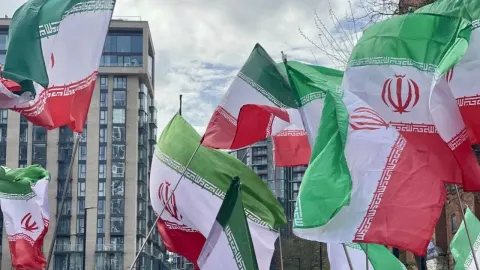
As the sun set on Sunday, November 8, 2026, the Iranian markets closed with a deceptive sense of calm. The US Dollar sell rate moved from 266,000 to 265,500 Toman, marking a minor 0.2% decline. However, this numerical stability masks a deepening sense of unease following the execution of three men—Hassan Dioband, Hamid Kazemi, and Reza Zanganeh—for their alleged roles in the 'armed unrest' following the January protests. For the average Iranian investor, such domestic escalations are rarely just human rights stories; they are signals of potential social instability that often lead to capital flight and a rush toward hard assets.
Historically, periods of heightened judicial severity in Iran coincide with a tightening of the informal currency market. While the 24-hour delta shows a slight cooling, the 'political temperature' is rising. Traders in the Ferdowsi and Sabzeh Meydan districts are keeping a close eye on whether these events trigger fresh public dissent, which could shatter the current resistance levels for the Toman. The market is currently in a 'wait-and-see' mode, balancing the central bank's intervention efforts against the reality of domestic friction.
Regional Escalation: The Riyadh Strike
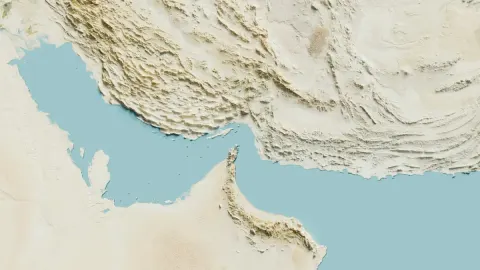
Beyond Iran's borders, the geopolitical landscape shifted violently as Yemen’s Houthis launched a strike on Riyadh’s financial district, damaging the iconic Saudi Aramco Tower. This attack on the heart of Saudi Arabia’s economic engine has immediate implications for regional oil security and, by extension, the Iranian market's risk premium. While gold 18k per gram moved from 25,490,558 to 25,416,685 Toman (-0.3%), the global gold ounce remains perched at a staggering $4,072.10.
The damage to the Aramco Tower serves as a reminder that the shadow war in the Middle East is far from over. For Iranians, regional instability usually translates into a stronger USD as the Toman loses its appeal as a safe-haven currency. Furthermore, the news from Israel regarding Gadi Eisenkot's potential to form a new government adds another layer of complexity. A change in Israeli leadership could redefine the military posture toward Tehran, potentially leading to new sanctions or tactical shifts that the currency market will have to price in by tomorrow morning.

The Global Macro Shift: Midterms and Energy
On the global stage, the fallout from the US Midterm elections continues to ripple through emerging markets. With Democrats securing a monumental return to power, the leverage over the Trump administration's foreign policy is expected to increase. This could mean a more disciplined approach to sanctions enforcement or, conversely, a new wave of diplomatic pressure. Iranians are particularly sensitive to these shifts, as any change in Washington’s 'Maximum Pressure' stance directly impacts the flow of oil and the availability of foreign exchange in the local market.
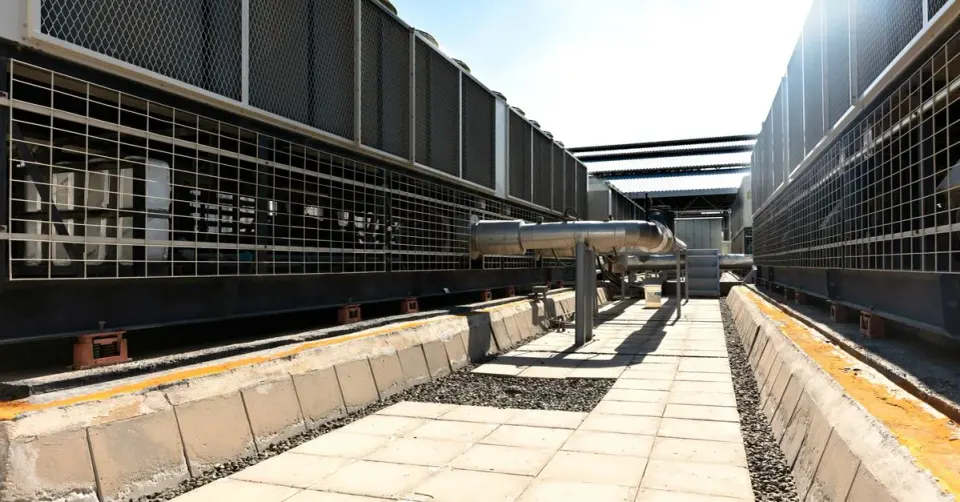
Simultaneously, the energy sector is seeing structural changes, such as New York's ambitious plan to turn waste heat into clean energy. While this may seem far removed from the streets of Tehran, the global transition toward diversified energy sources ultimately pressures long-term oil demand. For a country like Iran, whose budget is inextricably linked to crude exports, these technological shifts represent a slow-moving but inevitable economic challenge. Investors should look past the daily fluctuations of the Emami coin—which dropped 0.4% today to 259,000,000 Toman—and consider the broader structural risks of a global economy that is rapidly moving away from traditional fossil fuel dependence.
Practical Takeaway for Tomorrow
As we head into Monday, the slight dip in USD and Gold should not be mistaken for a trend reversal. The combination of domestic executions and regional military strikes has created a 'perfect recipe' for a volatility spike. If you are holding Toman, the 265,000 level for USD is the critical support to watch. Any signs of renewed social unrest or further regional escalations could quickly push the dollar back toward its recent highs. Diversification into stablecoins like USDT, currently trading at a premium of 267,358 Toman, remains a prudent hedge against overnight geopolitical shocks.
Frequently Asked Questions
Why did the Toman strengthen slightly despite negative news?
How does the Houthi attack on Riyadh affect the Iranian market?
What is the significance of the US Midterm results for Iranians?
Is the current gold price in Iran a good entry point?
Understanding Geopolitical Risk Premiums in Volatile Markets
Geopolitical Risk Premium refers to the additional compensation investors demand for holding assets in an environment fraught with political instability, conflicts, or significant international tensions. It's essentially a surcharge for uncertainty, reflecting the increased likelihood of adverse events—such as sanctions, supply chain disruptions, or direct military action—that could negatively impact economic stability and asset values. These premiums are not static; they surge in response to escalating tensions, like regional conflicts or domestic unrest, and can subside if stability returns.
In financial markets, geopolitical risk premiums manifest in several ways. For currencies, heightened risk typically leads to depreciation against safer currencies as investors move capital out of the affected region, or at least creates significant volatility. Bond yields in riskier nations tend to rise, as lenders demand higher returns to offset the increased default risk. Similarly, the prices of local equities may fall, while safe-haven assets like gold often see their demand and value increase. The mentions of "USD/IRR price" and "Gold price Toman" in the keywords are direct examples of how these premiums could influence asset valuations.
The Iranian context, as highlighted by keywords like "Iran executions," "Saudi Aramco Tower attack," and "Gadi Eisenkot Israel," presents a uniquely complex and high-risk geopolitical landscape. Sanctions, regional rivalries, and internal political dynamics all contribute to a persistently high geopolitical risk premium. While a headline might suggest the Toman "holds steady," this often refers to official or managed exchange rates. The true market-driven premium is more likely reflected in the parallel market exchange rates, the soaring demand for and price of gold in local currency, or the adoption of alternative assets like Tether, as individuals seek to protect their wealth from inflation and currency depreciation fueled by underlying geopolitical instability.