Energy Escalation: Murphy Oil’s Mediterranean Bet and Saudi Pipeline Attacks Fuel Gold’s 1.3% Surge
قمار گازی در مدیترانه و حمله به خط لوله سعودی؛ جهش ۱.۳ درصدی طلا در سایه تنشهای جدید
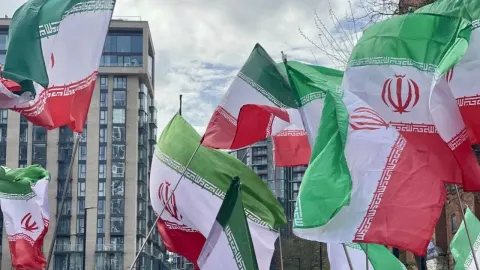
As global energy markets brace for a winter of uncertainty, Murphy Oil's entry into Israeli gas fields and a pipeline attack in Saudi Arabia have sent ripples through the region. In Tehran, gold prices jumped 1.3% while the Toman showed slight resilience, reflecting a complex mix of geopolitical tension and cyber-warfare accusations from Europe.
At time of publishing
USD
264,200
Toman
Gold 18K
25.76M
Toman / gram
Bitcoin
$74,761
US Dollar
Tether
264,217
Toman
The Mediterranean Energy Pivot and Regional Risks
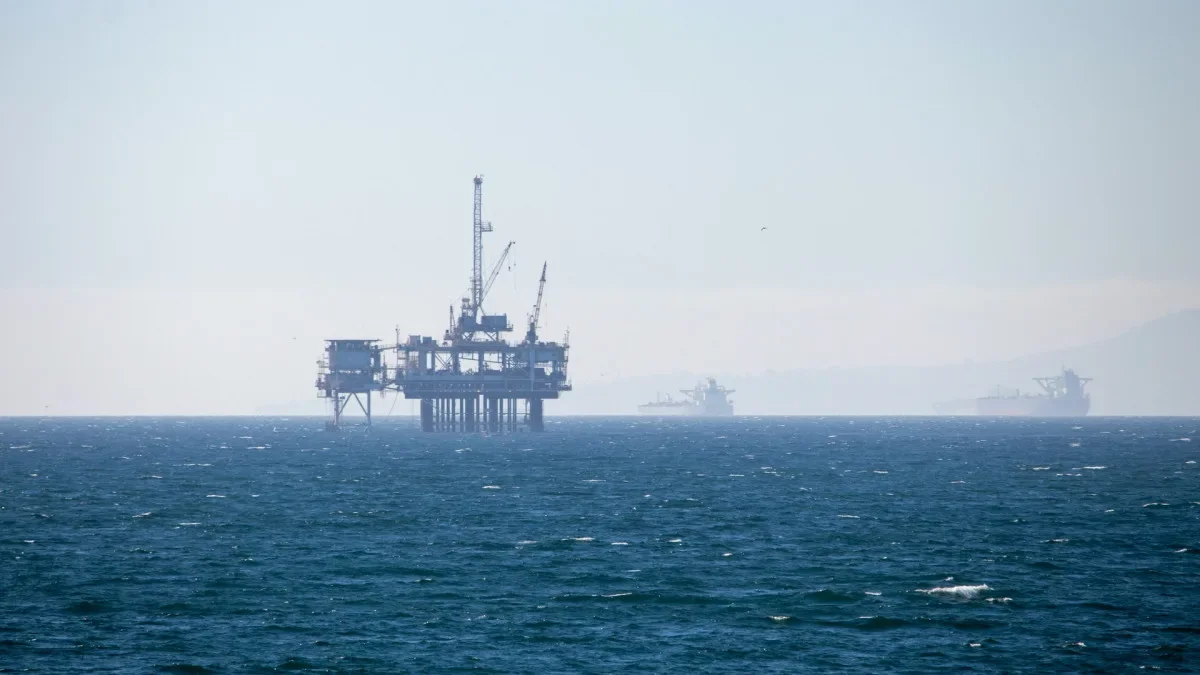
The geopolitical landscape of the Middle East took a significant turn today as Israel’s Energy Ministry awarded six offshore natural gas exploration licenses to Houston-based Murphy Oil and Israel’s Ratio Energies. This move, coming eight months after conflict forced the closure of the Leviathan field, signals a determined return to energy expansion despite the ongoing regional volatility. For the global market, Murphy Oil’s entry into the Eastern Mediterranean is more than just a business deal; it is a strategic bet on the long-term stability of Israeli energy infrastructure, even as tensions with Iran remain at a boiling point. This development puts a spotlight on the 'gas diplomacy' of the region, where energy resources are increasingly used as both a shield and a spear in international relations.
Simultaneously, the energy sector faced a direct physical threat today. Saudi Arabia’s East-West pipeline, a critical artery designed to bypass the vulnerable Strait of Hormuz, was targeted in the Medina region. While the resulting fire was contained without casualties or operational disruption, the timing is impeccable. The attack occurred just as OPEC output was reported to have recovered to 90% of pre-war levels. For the everyday Iranian, these events are not just headlines—they are the drivers of the 'risk premium' that keeps the cost of living high. When regional pipelines are attacked, the global price of oil and the local price of safe-haven assets like gold inevitably feel the heat.
Cyber Warfare and the European Sanctions Shadow
On the diplomatic front, the relationship between Tehran and Europe has hit a bizarre yet dangerous new low. French Foreign Minister Jean-Noël Barrot explicitly accused Iran’s Revolutionary Guards (IRGC) of being behind an 'unprecedented' cyber-attack on supermarket fridges across France last month. While hacking kitchen appliances might sound like a minor inconvenience, European officials view it as a direct assault on critical food supply infrastructure. Barrot has already vowed that European sanctions will follow. This escalates the 'gray zone' conflict between Iran and the West, moving beyond nuclear rhetoric into the digital disruption of civilian life. For market participants in Tehran, the threat of fresh EU sanctions is a persistent weight on the Toman’s long-term recovery.
Adding to the global sense of instability, France itself is grappling with profound social unrest. Protesters are reportedly losing faith in the political system’s ability to deliver change, despite a 1.6% increase in the minimum wage. This internal European friction, combined with warnings from the UK about the National Health Service (NHS) struggling due to pay strikes, suggests a West that is distracted and economically strained. When Europe faces internal crises, its foreign policy often becomes more unpredictable, which adds another layer of uncertainty for Iranian traders who look to the Euro and British Pound as barometers of global stability.

Tehran Market Analysis and the Flight to Gold
Despite the geopolitical noise, the Iranian Toman showed a surprising, albeit slight, resilience in today's session. The USD sell rate moved from 265,500 to 264,200, marking a -0.5% decrease over the last 24 hours. This minor correction in the dollar suggests that the market had already priced in much of the current regional tension. However, the real story of the day lies in the gold market. Gold 18k/gram rose from 25,444,388 to 25,762,962 (+1.3%), while the Emami coin remained stable at 259,000,000. This divergence—where gold climbs while the dollar dips—indicates that domestic investors are seeking the absolute safety of bullion, perhaps fearing that the cyber-warfare accusations or pipeline attacks could escalate into something more systemic tomorrow.
In the crypto space, Bitcoin (BTC) is trading at $74,761, showing resilience even as tech stocks like Nvidia face turmoil over a spy scandal involving its CEO. The 'ETH is money' narrative pushed by Vitalik Buterin and institutional buys by firms like Bitmine have kept the crypto market buoyant. For Iranians, the takeaway is clear: while the dollar may fluctuate in a tight range, the global appetite for 'hard assets' like gold and decentralized assets like Bitcoin is growing. Tomorrow, all eyes will be on the European response to the IRGC cyber-accusations and whether the Saudi pipeline attack was an isolated incident or the start of a new campaign against energy corridors.
Frequently Asked Questions
چرا قیمت طلا بالا رفت اما دلار ارزان شد؟
اتهام سایبری فرانسه چه تأثیری بر بازار ایران دارد؟
آیا ورود شرکت مورفی اویل به میادین اسرائیل برای ایران اهمیت دارد؟
Gold as a Safe-Haven Asset: A Beacon in Turbulent Times
The recent surge in gold prices, particularly amidst escalating energy tensions and geopolitical incidents like pipeline attacks, highlights a fundamental economic concept: gold's role as a safe-haven asset. A safe-haven asset is an investment that is expected to retain or increase in value during periods of market turbulence, economic uncertainty, or geopolitical instability. Unlike stocks or other riskier investments that can plummet during crises, gold has historically been perceived as a reliable store of value, offering investors a refuge when traditional financial markets are volatile.
This perception stems from several intrinsic qualities. Gold is a tangible, universally recognized commodity with a finite supply, making it resistant to inflation and currency devaluation. It carries no counterparty risk, meaning its value isn't dependent on the solvency of a government or corporation, unlike bonds or bank deposits. When geopolitical tensions rise, such as the potential disruption of critical energy supplies from the Middle East, or when there are fears of broader economic downturns, investors often divest from riskier assets and flock to gold, driving up its demand and price.
The mechanism is straightforward: increased demand for safety translates directly into higher gold prices. This was evident in the headline, where energy escalations and pipeline attacks—indicators of heightened geopolitical risk—directly correlated with gold's upward movement. Investors seek to protect their wealth from potential losses in other markets, viewing gold as a reliable anchor in a stormy economic sea. Its liquidity and global acceptance further enhance its appeal during times when capital might flee less stable regions or currencies.
While other assets, such as certain government bonds or even some cryptocurrencies, are sometimes considered safe havens, gold holds a unique, time-tested position. Its historical performance across countless crises, from wars to financial collapses, has solidified its reputation. Understanding gold's safe-haven status is crucial for interpreting market reactions to global events, as it often acts as a barometer for investor anxiety and a preferred destination for capital seeking security.
Topics
Related Articles