Gold Prices Slump 3.7% in Tehran as Nvidia’s Leadership Crisis and African Geopolitics Shake Global Sentiment
سقوط ۳.۷ درصدی قیمت طلا در بازار تهران؛ شوک رسوایی انویدیا به بازارهای جهانی و ثبات نسبی دلار
Gold prices in Iran saw a sharp 3.7% correction today, outstripping a modest 0.6% decline in the US Dollar. Meanwhile, global markets are reeling from the Nvidia scandal and shifting political landscapes in South Sudan and Senegal.
At time of publishing
USD
268,700
Toman
Gold 18K
24.81M
Toman / gram
Bitcoin
$65,616
US Dollar
Tether
270,431
Toman
The Local Market: A Sharp Correction in Gold
The Tehran market on Saturday, November 14, 2026, witnessed a notable cooling of the recent "gold fever." Gold 18k saw a significant decline of 3.7%, moving from 25,762,962 to 24,814,165 Toman per gram. This correction comes as the US Dollar also experienced a slight downward adjustment, selling at 268,700 Toman compared to yesterday’s 270,300 (-0.6%). For everyday Iranians, this suggests a temporary breather in the inflationary pressure that has dominated the second half of the year. While the Emami coin only slipped 0.6% to 253,000,000 Toman, the broader gold market is clearly reacting to a mix of local profit-taking and a shifting global landscape where the US Dollar is showing signs of localized fatigue.
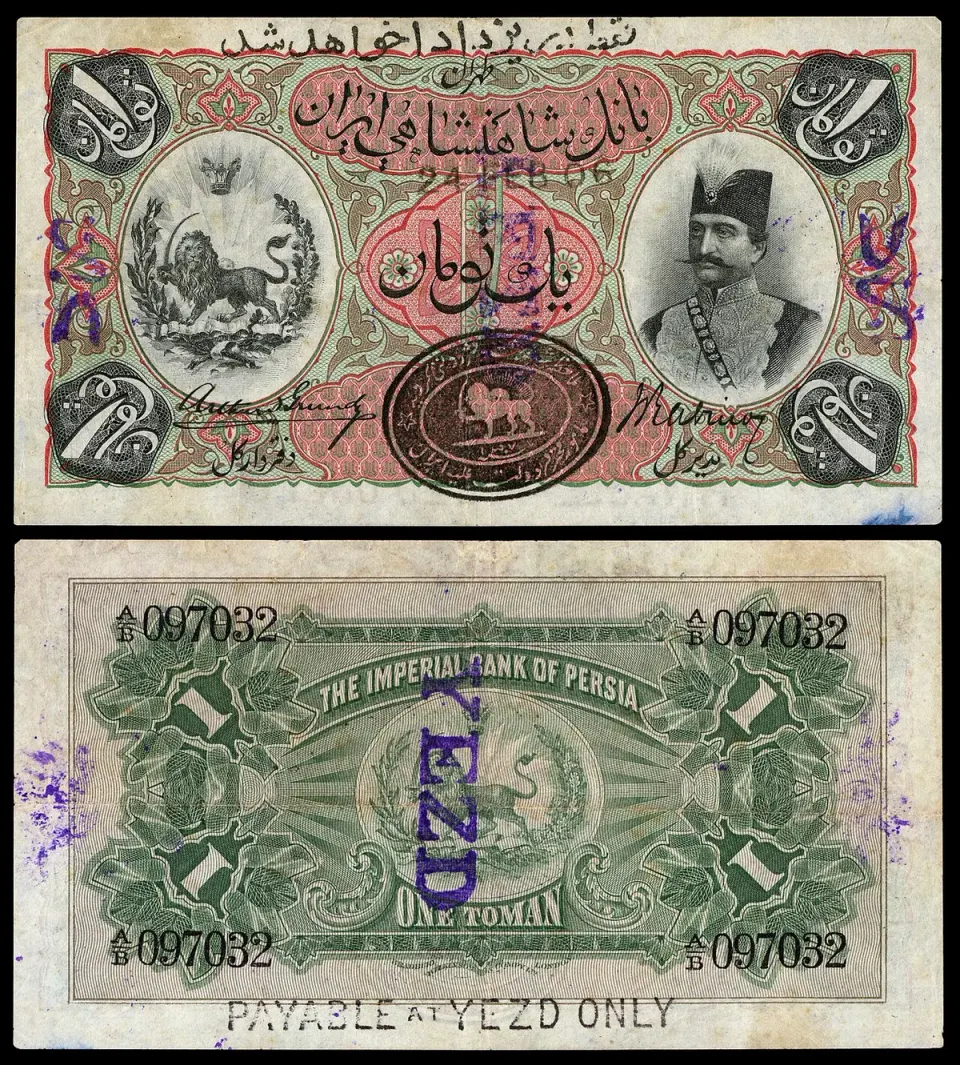
This local shift is mirrored by a sense of caution in the currency market. The USD buy rate sat at 267,110 Toman, creating a narrow spread that reflects a market waiting for the next geopolitical catalyst. With the regional peace initiatives mentioned by the Iranian Ambassador to India, Mohammad Fathali, there is a cautious optimism that diplomatic channels might offer some stability to the Rial. However, the market remains sensitive to the upcoming trilateral meeting between Trump, Putin, and Xi at APEC, which looms over the long-term valuation of the Toman. The current price action suggests that traders are locking in profits before a potentially volatile week ahead.
Global Tech Shock: The Nvidia Fallout
Globally, the tech sector is in a state of shock following the resignation of Nvidia CEO Jensen Huang. The scandal, involving suspected Chinese spy Alice Huang and allegations of a security breach, has divided Washington. While the Treasury Department pushed for blacklisting entities involved in the "Megaspeed" scandal, the Commerce Department’s hesitation has sparked a political firestorm. For investors, this isn't just corporate drama; it’s a fundamental threat to the AI supply chain. Nvidia’s dominance in the chip market means that any leadership vacuum or regulatory crackdown could stall the AI revolution that has fueled global equity markets for the past three years. This uncertainty is spilling over into broader market sentiment, affecting everything from tech stocks to crypto assets.
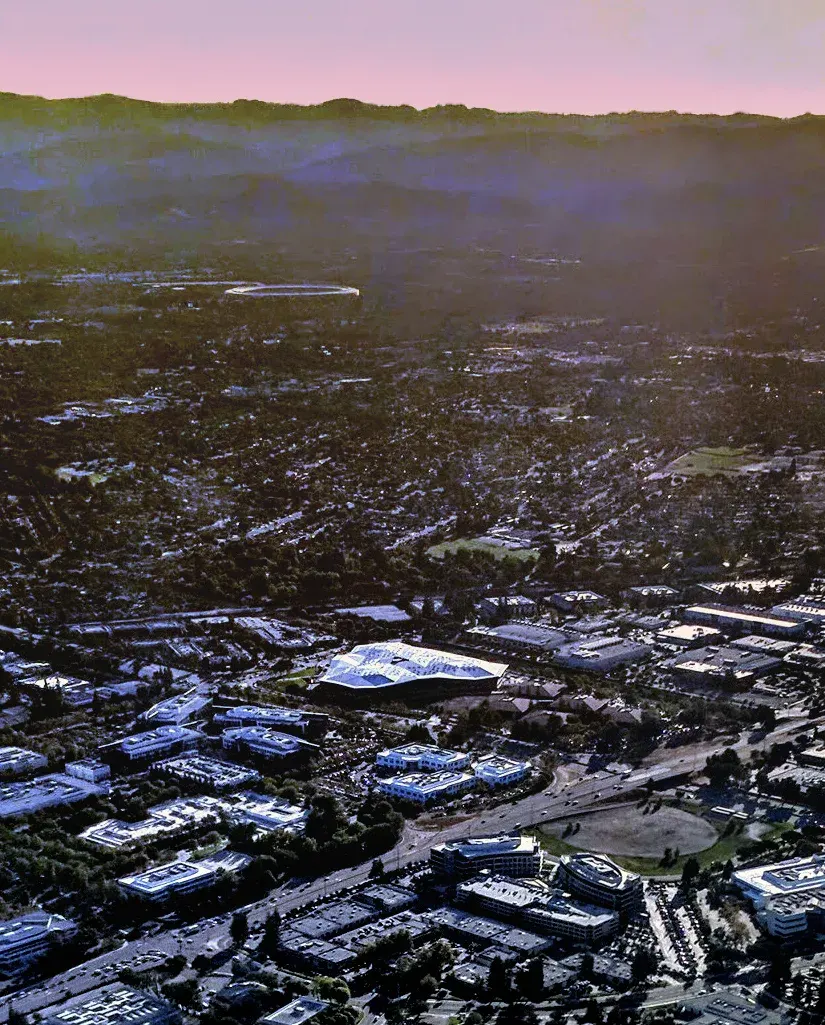
The fallout has reached Asian capitals as well, with governments scrambling to secure chip supply commitments. For the Iranian tech community and crypto miners, the stability of the GPU market is directly tied to these developments. If Nvidia’s crisis leads to export restrictions or manufacturing delays, the cost of high-end computing power will skyrocket, further complicating local tech ambitions. This "AI Empire" crisis is a reminder that even the most powerful companies are vulnerable to the intersection of personal scandal and national security, a lesson that often translates into market volatility for emerging economies.
Geopolitical Shifts and Psychological Reversals
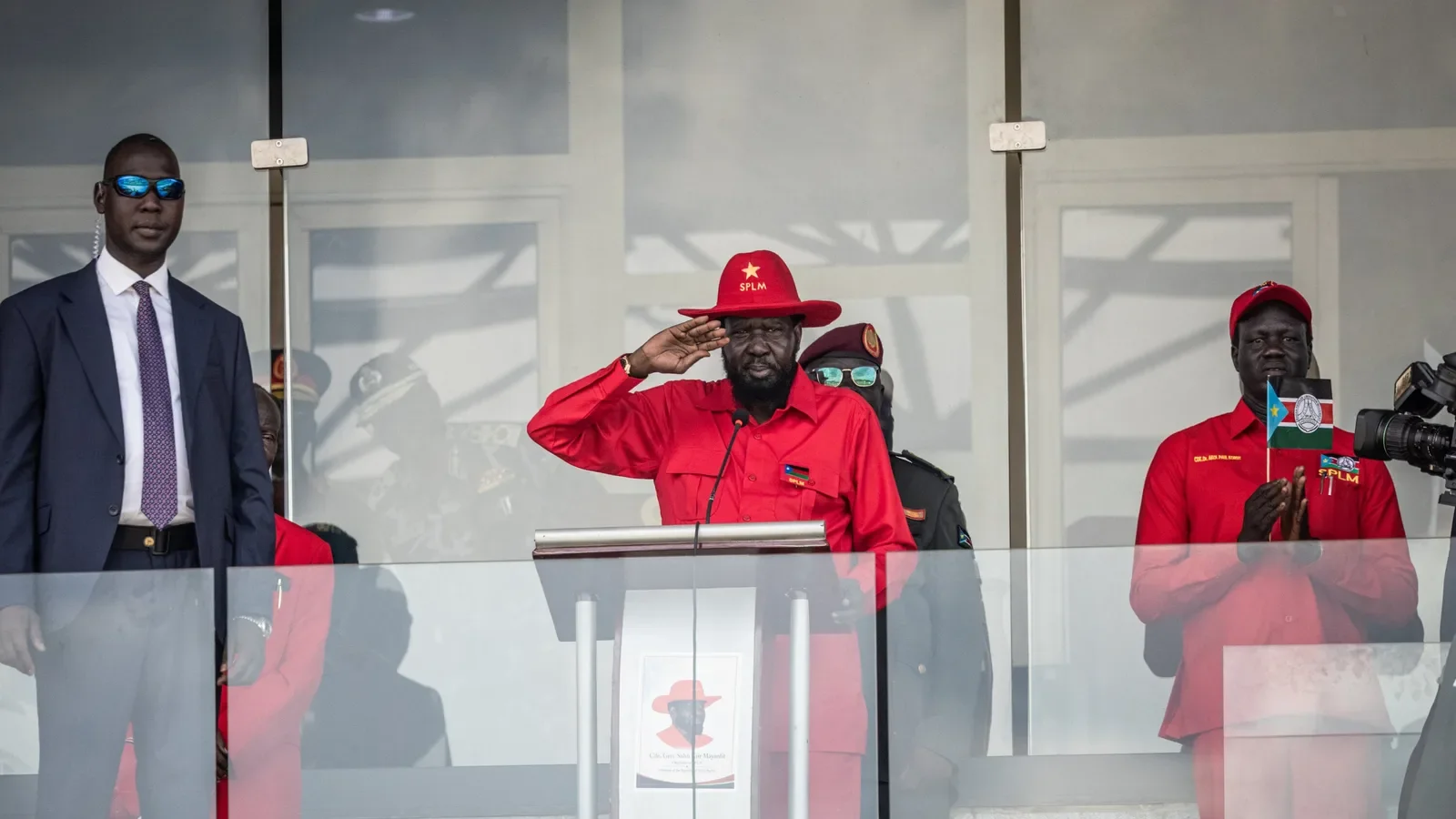
Beyond tech, the geopolitical map is shifting in ways that impact long-term risk appetite. South Sudan has announced a delay in its first-ever national election, originally scheduled for December. Analysts warn that this delay, rooted in a legitimacy crisis, could destabilize one of Africa's key oil-producing regions. For global energy markets, any disruption in South Sudan adds to the volatility already present in the Middle East. Meanwhile, on a more positive note, Senegal successfully hosted the Youth Olympic Games in Dakar, marking a historic first for the continent. This success story from an emerging market like Senegal suggests that economic and cultural potential is shifting toward new horizons, even as traditional powers face internal crises.

Finally, the victory of Wales over New Zealand after 73 years serves as a potent metaphor for today’s market. In financial terms, "unbreakable" trends—like a long-term losing streak or the seemingly unstoppable rise of gold—eventually hit a wall. This psychological shift is crucial for traders who have been betting on a one-way market. As India moves to promote regional peace with Iran, the possibility of a diplomatic breakthrough remains the primary "wildcard" for the Toman. For now, the takeaway is clear: the market is in a phase of redistribution, where old certainties are being replaced by new, often unpredictable, risks.
Frequently Asked Questions
چرا قیمت طلا با وجود کاهش اندک دلار، ریزش شدیدی داشت؟
رسوایی انویدیا چه تأثیری بر بازار ایران دارد؟
آیا تعویق انتخابات در سودان جنوبی بر قیمت نفت اثر میگذارد؟
How Currency Exchange Rates Influence Gold Prices in Iran
Gold is priced globally in U.S. dollars, so any change in the exchange rate between the dollar and a local currency instantly reshapes the local price of the metal. In Iran, the official rate of the Iranian rial (IRR) to the dollar is tightly controlled, while a parallel market rate often diverges dramatically. When the rial weakens against the dollar, the amount of rials needed to buy a single ounce of gold rises, creating a “gold correction” in tomans that can appear as a sharp price slump or surge depending on which market you watch.
The mechanism is simple arithmetic: Local Gold Price (in IRR) = International Spot Price (in USD) × Exchange Rate (IRR/USD). However, the reality is layered with multiple exchange rates—official, market, and black‑market—each reflecting different levels of liquidity, sanctions pressure, and government policy. Traders arbitrage between these rates, and the resulting volatility can amplify sentiment‑driven moves, especially when geopolitical events, such as the South Sudan election delay or heightened India‑Iran diplomatic activity, stir uncertainty.
Beyond arithmetic, exchange‑rate risk feeds into broader macro‑economic expectations. A depreciating rial often signals inflationary pressure, prompting investors to seek safe‑haven assets like gold. Conversely, if the government signals a stabilization policy—perhaps through foreign‑exchange interventions or tighter monetary policy—gold demand may ease, and prices can correct downward. This feedback loop explains why a 3.7% dip in Tehran’s gold market can coincide with a leadership crisis at Nvidia or a sports event in Senegal, both of which affect global risk appetite.
Understanding this relationship helps investors and policymakers anticipate how external shocks translate into domestic commodity markets. By monitoring the rial’s trajectory against the dollar, alongside global risk indicators, one can better gauge whether a gold price move reflects a temporary market jitter or a deeper shift in economic fundamentals.