Toman Tumbles as US Military Aircraft Depart UK; Gold, Crypto Steady
سقوط تومان با خروج هواپیماهای نظامی آمریکا از انگلیس؛ طلا و ارز دیجیتال ثابت ماندند
The Iranian Toman saw a significant drop today, influenced by geopolitical shifts including the departure of US military aircraft from a UK base. Meanwhile, gold and major cryptocurrencies like Bitcoin and Ethereum maintained their positions, showing resilience amidst broader market fluctuations.
At time of publishing
USD
257,700
Toman
Gold 18K
25.76M
Toman / gram
Bitcoin
$73,052
US Dollar
Tether
257,600
Toman
What Actually Happened
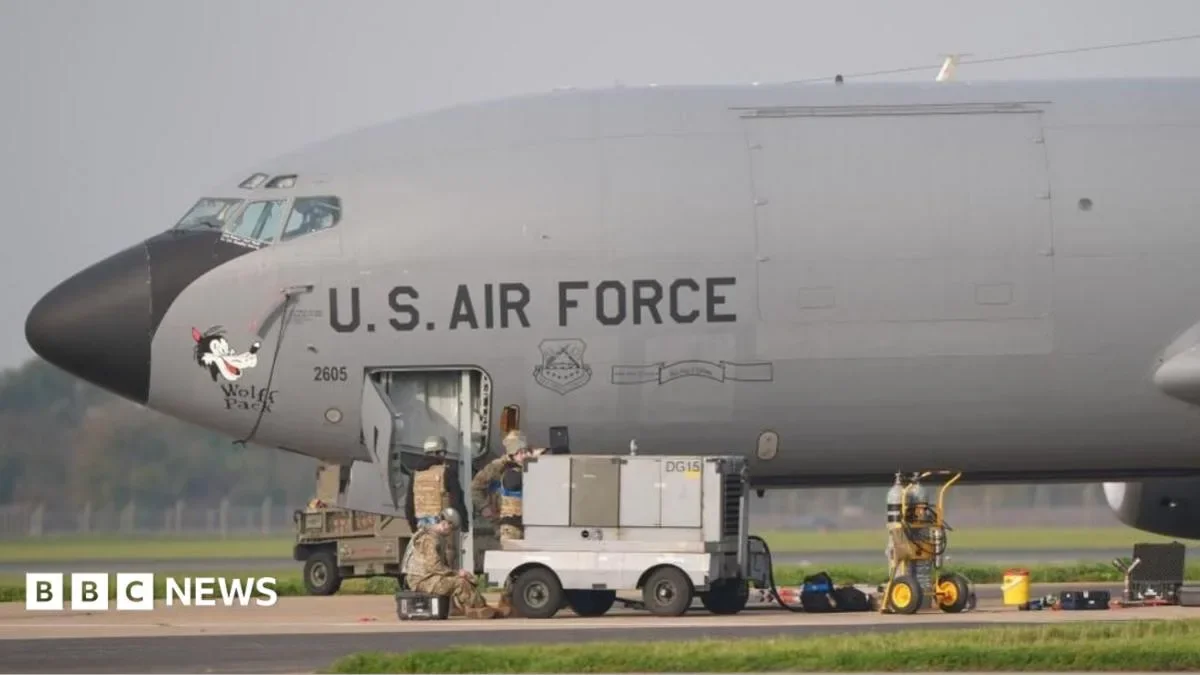
The Iranian Toman experienced a notable downturn today, with the USD/IRR exchange rate moving from 264,200 to 257,700, marking a 2.5% depreciation. This shift occurred against a backdrop of heightened geopolitical tensions, notably the reported departure of more than a dozen US military aircraft from a second UK base, following a similar withdrawal from RAF Fairford over a suspected Iran-linked security incident. While the Toman weakened, the price of gold and major cryptocurrencies remained relatively stable. The Emami coin saw a slight dip of 1.9% to 254,000,000 Toman, and the 18k gold gram price held steady at 25,762,962 Toman. Bitcoin and Ethereum also showed resilience, trading at $73,052 and $2,025.13 respectively, with USDT holding its peg at 257,600 Toman.
This market behavior suggests that while geopolitical uncertainties can pressure the national currency, traditional safe-haven assets and established cryptocurrencies are currently absorbing some of that shock. The news regarding US military movements in Europe, while not directly tied to Iran's economy, often acts as a barometer for global risk appetite. When such tensions rise, capital tends to flow away from riskier assets and into perceived safe havens, which can include gold and stable cryptocurrencies, but also sometimes impacts emerging market currencies like the Toman more directly due to broader investor sentiment.
---
Why This Matters to Iranians
For everyday Iranians, the depreciation of the Toman directly translates into higher prices for imported goods and a reduction in purchasing power. When the Toman weakens against the US dollar, it becomes more expensive to buy anything priced in dollars, from essential electronics to raw materials used in domestic manufacturing. This can fuel inflation and erode savings. The stability in gold and cryptocurrencies, however, offers a glimmer of hope for those looking to preserve their wealth. Many Iranians have turned to gold and stablecoins like USDT as a hedge against the Toman's volatility and the country's economic pressures. The fact that these assets are not mirroring the Toman's decline suggests that investor confidence in them, as alternative stores of value, remains relatively intact, at least for now.
This situation underscores the delicate balance that Iranian households must strike. On one hand, they face the immediate impact of a weaker currency on their daily expenses. On the other, they have access to assets that, while not entirely immune to market shocks, are currently demonstrating a greater capacity to retain value compared to the national currency. The ongoing geopolitical developments, such as the US military activity and the broader international discussions like the Russia-Ukraine talks in Abu Dhabi, can create ripples that affect global markets and, by extension, the Iranian economy and its currency.
---
The Bigger Picture: Geopolitics and Market Sentiment
Globally, markets are navigating a complex landscape. The US inflation data came in hotter than expected, raising the specter of a more aggressive Federal Reserve rate hike in December, which typically puts downward pressure on risk assets like stocks and cryptocurrencies. However, Bitcoin and Ethereum have shown remarkable resilience. Concurrently, global geopolitical fault lines remain active, with the UK hosting US military aircraft and France pointing fingers at Iran for cyberattacks, leading to discussions of EU-wide sanctions. These events are playing out alongside ongoing peace talks between Russia and Ukraine, signaling a world where economic stability is intricately linked to international relations and security concerns.
The departure of US military assets from the UK, especially when linked to Iran, can amplify perceived risks in the Middle East and beyond. This can lead to increased uncertainty for investors, potentially impacting capital flows into emerging markets. The fact that gold and cryptocurrencies are not showing panic selling might indicate a decoupling from traditional risk-off sentiment or a belief that these assets have already priced in much of the geopolitical uncertainty. The resilience of Bitcoin and Ethereum, in particular, could be attributed to strong underlying demand or a narrative that positions them as digital stores of value, independent of traditional financial systems and geopolitical machinations.
---
Looking Ahead: What to Watch
Tomorrow, market participants will be closely watching for any further developments regarding the US military presence in Europe and its implications for regional stability. The ongoing Russia-Ukraine peace talks in Abu Dhabi will also be a key focus, as any progress or setbacks could influence global energy markets and investor sentiment. For Iran, the immediate concern will be how the Toman performs in the face of continued geopolitical pressures and any potential retaliatory measures or sanctions discussed by the EU in response to alleged cyberattacks. Investors will also be monitoring the price action of gold and cryptocurrencies, which may offer clues about broader market confidence and the appetite for alternative assets.
Furthermore, upcoming economic data from major economies, particularly any new inflation figures or central bank policy signals, will be crucial in shaping global market sentiment. The performance of tech giants like Nvidia, which are facing scrutiny, and the anticipation of Anthropic's IPO also highlight the ongoing volatility and opportunities within the tech sector, which can indirectly influence investment flows into other asset classes. The interplay between geopolitical events, macroeconomic trends, and specific industry developments will continue to dictate market movements in the coming days.
Frequently Asked Questions
Why did the Iranian Toman fall today?
How did gold and cryptocurrencies perform today?
What is the significance of US military aircraft leaving UK bases for the Iranian market?
How does the Toman's depreciation affect everyday Iranians?
Geopolitical Risk and Currency Valuation
Geopolitical risk refers to the potential for political instability, international conflicts, or shifts in global power dynamics to disrupt markets and economies. These risks, ranging from trade disputes and sanctions to military confrontations, introduce uncertainty that financial markets inherently dislike. While their impact can be widespread, affecting everything from commodity prices to stock markets, one of the most immediate and sensitive barometers of geopolitical tension is often a nation's currency.
When geopolitical tensions escalate or shift, particularly concerning a specific region or country, the perceived stability and economic outlook of that nation can change dramatically. Investors, both domestic and international, may lose confidence, leading to capital flight – a rapid withdrawal of funds from the country. This outflow of capital directly reduces demand for the local currency and increases its supply on international markets, causing its value to depreciate against major reserve currencies like the US Dollar. Furthermore, the threat of sanctions, disruptions to trade routes, or increased military spending can further erode economic fundamentals, reinforcing the downward pressure on the currency.
Interestingly, while a national currency might tumble in response to localized geopolitical shifts, global assets like gold and cryptocurrencies often react differently. Gold has historically served as a traditional "safe-haven" asset, meaning investors flock to it during times of widespread global uncertainty, seeking to preserve capital. However, its reaction can be nuanced; a localized geopolitical event might not always trigger a significant global flight to gold unless it's perceived as a precursor to broader instability. Cryptocurrencies like Bitcoin and Ethereum, on the other hand, are a newer asset class. While some proponents argue they can act as a hedge against traditional financial systems or localized economic instability, their price movements are also influenced by their own market dynamics, regulatory news, and broader speculative sentiment, rather than solely by geopolitical events that don't directly impact their underlying technology or adoption.
The differentiated response of various asset classes to geopolitical events underscores the complexity of financial markets. While a country's currency is highly susceptible to the direct and indirect consequences of geopolitical shifts affecting its sovereignty, economy, or international standing, global assets may follow different trajectories based on their inherent characteristics, investor base, and the perceived scope of the geopolitical risk. Understanding these distinct reactions is crucial for comprehending how global events translate into financial market movements.
Topics
Related Articles