Gold Gains as Kerch Bridge Strike Rattles Markets; USD Corrects to 266k Ahead of Trump-Xi Summit
صعود طلا در سایه انفجار پل کریمه؛ عقبنشینی دلار به کانال ۲۶۶ هزار تومان در آستانه نشست شنژن
The Iranian market saw a divergent close this Tuesday as the US Dollar retreated 0.7% to 266,700 Toman, while Gold 18k climbed 0.5% following a daring Ukrainian strike on the Kerch Bridge. With global tensions rising ahead of Donald Trump's meeting with Xi Jinping, Iranian investors are pivoting toward physical safety as geopolitical risks intensify.
At time of publishing
USD
266,700
Toman
Gold 18K
24.67M
Toman / gram
Bitcoin
$63,725
US Dollar
Tether
269,394
Toman
The Toman’s Tactical Retreat and the Gold Hedge
As the sun set on Tehran this Tuesday, November 17, 2026, the domestic currency market experienced a rare moment of cooling. The US Dollar, which had been testing higher levels throughout the week, moved from 268,600 to 266,700 Toman, marking a 0.7% decline. This correction appears less like a shift in long-term sentiment and more like a tactical pause by market makers. However, the drop in the dollar did not signal a return to confidence in the Rial. Instead, capital flowed directly into the gold market. Gold 18k rose from 24,539,452 to 24,671,037 Toman (+0.5%), while the Emami Coin edged up 0.2% to reach 252,000,000 Toman.
This divergence—where the dollar falls but gold rises—is a classic indicator of high-level geopolitical anxiety. For the average Iranian household, this means that while the cost of importing goods might see a momentary reprieve, the 'inflation hedge' of choice remains physical gold. The global gold ounce price sitting at a staggering $3,870 further fuels this domestic fire. Investors are clearly bracing for a volatile end to the year, choosing the stability of bullion over the fluctuating fortunes of regional fiat currencies.
Geopolitics in Flames: From Crimea to Manila
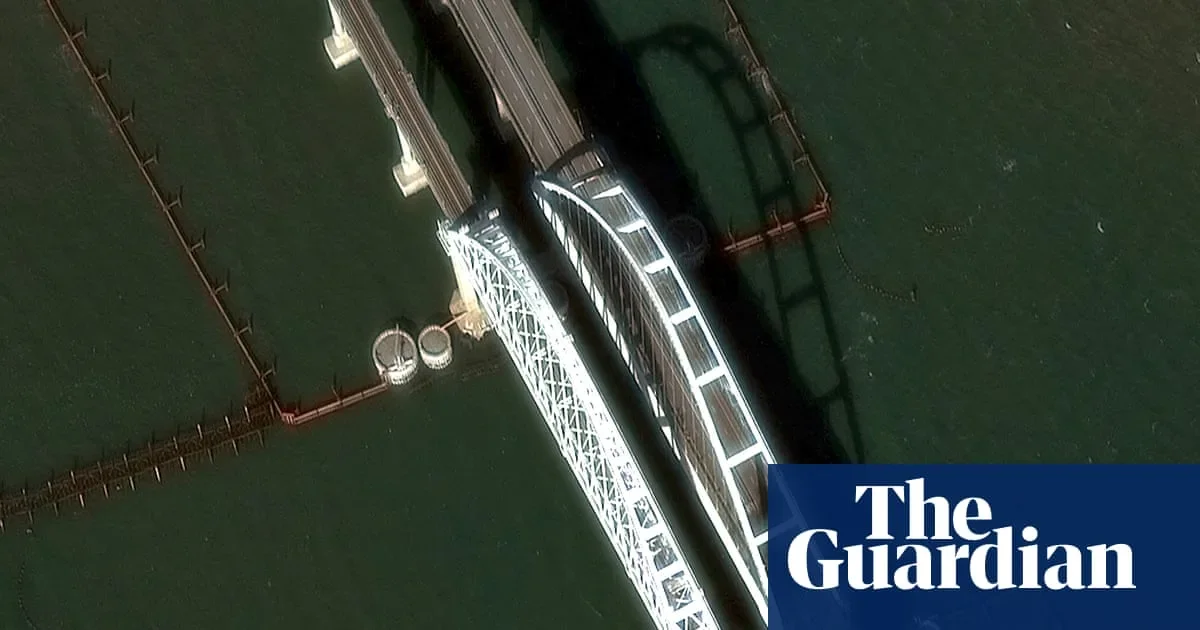
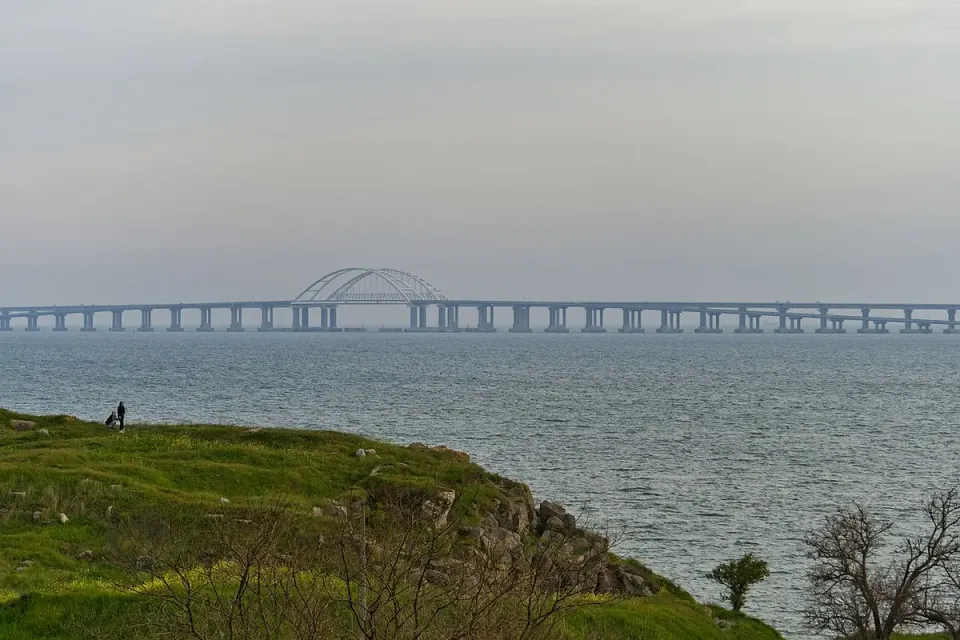
The primary driver for today's market jitters was the overnight partial demolition of the Kerch Bridge, the vital artery linking Russia to occupied Crimea. This strike, described as a 'rainy day' card played by Kyiv, serves as a massive embarrassment for Vladimir Putin just 48 hours before his scheduled meeting with Donald Trump and Xi Jinping in Shenzhen. The escalation in the Black Sea ripples through the Iranian market because of the deep strategic and military alignment between Tehran and Moscow. Any setback for the Kremlin is viewed by local traders as a potential precursor to increased Western pressure on the entire axis, including Iran.
Simultaneously, the rhetoric from Washington has sharpened. President Trump, currently in Manila for the ASEAN summit, has warned that the US is taking reported Iranian plots against Washington 'very seriously.' While Tehran’s foreign ministry has dismissed claims of a 'dirty bomb' plot as baseless, the mere existence of such headlines adds a 'risk premium' to every transaction in the Tehran bazaar. Traders are watching the Shenzhen summit closely; any sign of a grand bargain between the US, Russia, and China that excludes Iranian interests could trigger another sharp devaluation of the Toman.
Tech Turmoil and the Energy Landscape
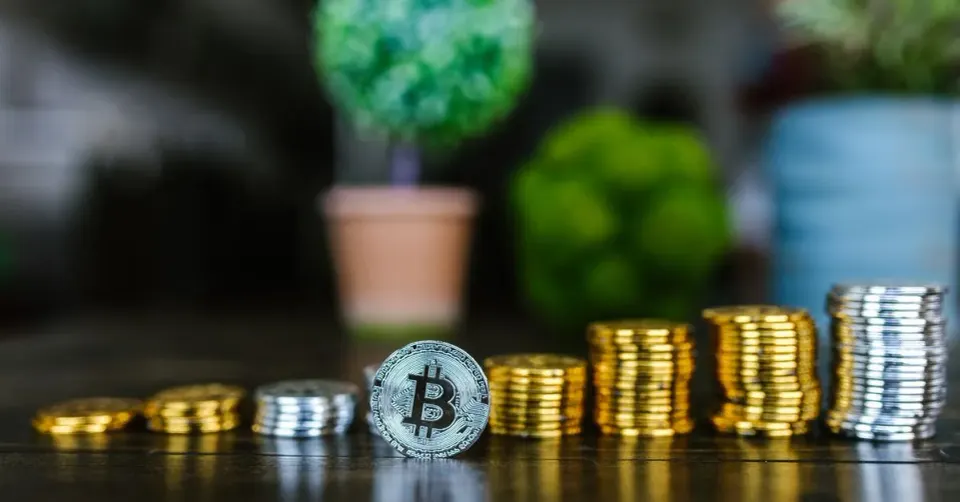
Beyond the immediate borders of the Middle East, the global tech and energy sectors are in a state of flux that directly impacts Iranian crypto and commodity sentiment. In the US, the saga of Nvidia continues as Jensen Huang expressed his 'honor' to potentially return as CEO following his recent resignation, though the board remains hesitant. This leadership vacuum in the world’s most important AI company has sent ripples through the Nasdaq and, by extension, the crypto market. Bitcoin saw a slight downside, trading at $63,725, as traders braced for Nvidia’s Q3 earnings. For Iranians holding USDT (currently at 269,394 Toman), this global volatility means the 'digital dollar' remains a more expensive and sought-after asset than the physical greenback.
In the energy sector, the $100 billion oil deal between the Trump administration and Venezuela is facing intense scrutiny from Congressional Democrats. The deal, which granted massive concessions to a private firm, is being investigated for its long-term impact on global oil supply. For Iran, any disruption or restructuring of global oil alliances—especially those involving sanctioned peers like Venezuela—is critical. As Iran, Oman, and Uzbekistan discuss the North-South Corridor capacities in Muscat, the race to secure alternative trade routes becomes even more urgent. The practical takeaway for today? Diversify. The combination of local currency corrections and global geopolitical shocks suggests that the safest place for capital right now is split between gold and high-liquidity digital assets.
Frequently Asked Questions
چرا با وجود کاهش قیمت دلار، قیمت طلا در ایران افزایش یافته است؟
تأثیر نشست ترامپ، پوتین و شی جینپینگ در شنژن بر بازار ایران چیست؟
آیا کاهش قیمت دلار به ۲۶۶,۷۰۰ تومان پایدار خواهد بود؟
وضعیت انویدیا چه ارتباطی به سرمایهگذاران ایرانی دارد؟
Understanding Safe-Haven Assets in Times of Geopolitical Instability
When geopolitical tensions escalate or economic uncertainty looms, financial markets often react with volatility. In such times, investors typically seek refuge in what are known as safe-haven assets. These are investments that are expected to retain or even increase in value during periods of market turmoil, offering a hedge against losses in more volatile assets like stocks or commodity-linked currencies. The underlying principle is that in the face of widespread fear and risk aversion, capital flows away from perceived risk and towards perceived safety.
Gold is perhaps the quintessential safe-haven asset, a role it has played for centuries. Its appeal stems from several factors: it has intrinsic value, a limited supply, and is not subject to the credit risk of a government or corporation. Unlike paper money, it cannot be printed into oblivion, making it a traditional hedge against inflation and currency debasement. When events like the Kerch Bridge strike rattle markets, as mentioned in the headline, the immediate instinct for many investors is to move into gold, driving up its price as demand surges.
While gold is the most prominent, other assets can also serve as safe havens depending on the nature of the crisis. Certain highly-rated government bonds, particularly those from stable economies like the U.S. (Treasuries), Germany, or Switzerland, are often considered safe due to their perceived low default risk. Currencies like the Japanese Yen (JPY) and the Swiss Franc (CHF) also frequently benefit from safe-haven flows due to their nations' strong economic fundamentals, political neutrality, and robust financial systems. Even the U.S. Dollar can act as a safe haven during global crises, given its status as the world's primary reserve currency, though its movements can be complex and influenced by various factors.
Understanding safe-haven assets is crucial for comprehending how global events, from military conflicts to political summits, translate into market movements. They represent a fundamental mechanism by which investors manage risk and preserve capital when the future looks uncertain, providing a valuable lens through which to analyze financial headlines and market behavior during periods of heightened global instability.
Topics
Related Articles