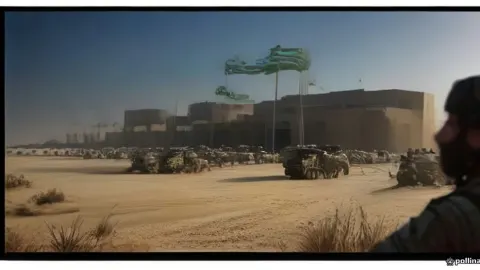
Energy Bills Set to Spike Through 2027 as Toman Defies Regional Escalation in Mid-November Wrap
پیشبینی تداوم بحران انرژی تا ۲۰۲۷ و ایستادگی تومان در برابر تنشها؛ گزارش بازار ۲۷ آبان
As the regional conflict enters a more volatile phase, global analysts are already pricing in a 26% energy price hike for 2027. Meanwhile, the Iranian Toman showed surprising resilience today, with the USD slipping slightly to 266,300 while gold prices retreated by 1%.
At time of publishing
USD
266,300
Toman
Gold 18K
24.50M
Toman / gram
Bitcoin
$63,279
US Dollar
Tether
270,148
Toman
The Global Price of a Prolonged Conflict
The market session on Wednesday, November 18, 2026, closed with a sobering realization: the current regional instability is no longer viewed as a temporary spike but as a structural shift in global energy costs. According to the latest reports from Cornwall Insight, UK household energy bills are projected to surge by another 26% by January 2027, reaching a four-year high. This forecast is directly tied to the 'Iran war' context, which continues to exert upward pressure on wholesale gas and electricity prices globally. Even as regional actors like Kuwait and Bahrain face new waves of attacks following the recent strikes on Qeshm Island, the financial world is beginning to treat these escalations as a long-term economic reality rather than a series of isolated shocks.
For the average Iranian, this global trend is a double-edged sword. While higher energy prices theoretically benefit an oil-producing nation, the reality of sanctions and the high cost of regional military engagement often offset these gains through domestic inflation. Today's data shows that despite the geopolitical heat, the USD/IRR pair remained remarkably stable, moving from 266,700 to 266,300, a minor decrease of 0.1%. This suggests that the local market may have reached a temporary state of exhaustion or is being tightly managed by central authorities to prevent a panic-driven breakout above the current resistance levels.
Market Resilience Amidst Geopolitical Fractures
Beyond the immediate currency fluctuations, the broader market for safe-haven assets showed signs of cooling today. Gold 18k per gram moved from 24,751,835 to 24,497,899, marking a 1.0% decline. Similarly, the Emami coin dropped from 252,000,000 to 251,000,000 (-0.4%). This retreat in gold prices, even as tensions rise in the Gulf, indicates that traders might be taking profits or shifting capital toward other risk-adjusted assets. In the crypto space, Bitcoin is holding at $63,279, which CryptoQuant analysts describe as a 'value zone,' despite the asset technically entering a bearish phase after dipping below its 200-day moving average.
The complexity of the current environment is further illustrated by the 'underground war' in Ukraine, where forces are literally battling inside old gas pipelines to avoid drone detection. This literal and metaphorical 'underground' nature of modern conflict—from pipelines in Eastern Europe to maritime lanes in the Middle East—is creating a highly unpredictable trading environment. For Iranians, the takeaway is clear: the market is currently ignoring the 'noise' of daily headlines and focusing on the long-term logistical and energy-related consequences of the conflict. The relative stability of the Toman today should not be mistaken for a total lack of risk, but rather a strategic pause in the face of immense global uncertainty.

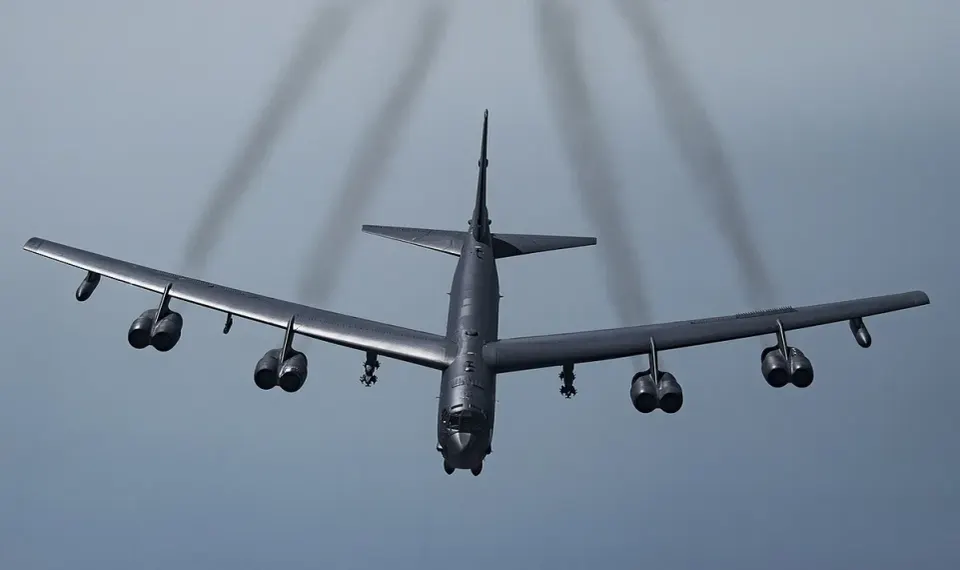
, Public domain]
Health, Climate, and the Hidden Costs of the Future
While geopolitics dominates the ticker, two major external stories today remind us of the non-financial risks shaping our world. First, a startling scientific report presented to the UK Commons committee has linked a bacterial toxin produced by E. coli to the doubling of bowel cancer cases among people under 50. This 'silent' health crisis mirrors the way economic toxins, like unchecked inflation or war-driven supply chain disruptions, can slowly erode the middle class's purchasing power before the symptoms become unavoidable. Just as scientists are urging early intervention for health, financial analysts are looking at COP31 discussions where nations like Nepal are pleading for aid following climate-driven disasters like glacier collapses.
These seemingly disparate events—health crises, climate disasters in Nepal, and maverick sports coaching strategies like Rassie Erasmus’s online 'watchalong'—all point to a world that is increasingly fragmented and looking for unconventional solutions. For the Iranian investor, the practical takeaway is to diversify. When energy bills in the West are predicted to hit record highs three years from now because of a regional war, it signals that the 'war premium' is here to stay. Today’s minor 0.1% drop in the dollar is a moment of calm, but the underlying pressure from global energy shifts and regional military escalations suggests that volatility is the only true constant for the remainder of 2026.

Frequently Asked Questions
Why is the Toman stable while regional attacks are increasing?
What does the 26% energy bill hike in the UK mean for Iran?
Is Bitcoin a safe buy at $63,279?
How does the E. coli cancer study relate to the economy?
The Toman, Geopolitics, and Imported Inflation
Currency exchange rates are fundamental economic indicators, reflecting a nation's economic health, its trade balance, and investor confidence. They determine how much one country's currency is worth in relation to another's. For instance, the value of the Iranian Toman (an informal unit of the Iranian Rial) against the US Dollar directly impacts the cost of goods and services traded internationally. When a currency is strong, it can purchase more foreign goods; when it's weak, foreign goods become more expensive.
Numerous factors influence exchange rates, but geopolitical stability is often paramount. Regional escalations, international sanctions, or internal political turmoil can trigger capital flight, deter foreign investment, and erode investor confidence. This typically leads to a depreciation of the national currency as demand for it falls and people seek safer assets. For a country like Iran, which has frequently faced geopolitical pressures, understanding this dynamic is crucial, as external events can have a profound and immediate effect on the Toman's value.
One significant consequence of currency depreciation is 'imported inflation.' Many essential goods, such as energy products (oil, gas), raw materials, and even some foodstuffs, are priced in major international currencies like the US Dollar. When a local currency, like the Toman, loses value against the Dollar, the cost of importing these goods rises dramatically in local currency terms. This increased cost is then passed on to consumers, leading to higher domestic prices for everything from fuel to electricity and everyday commodities.
Therefore, the headline's mention of "Energy Bills Set to Spike Through 2027" alongside the Toman's behavior is highly interconnected. Even if the Toman 'defies' regional escalation in the short term, prolonged geopolitical uncertainty generally puts downward pressure on a currency, exacerbating imported inflation and making everyday life more expensive for citizens. Understanding these complex interactions is key to comprehending the broader economic challenges faced by many nations, especially those in volatile regions.
Topics
Related Articles