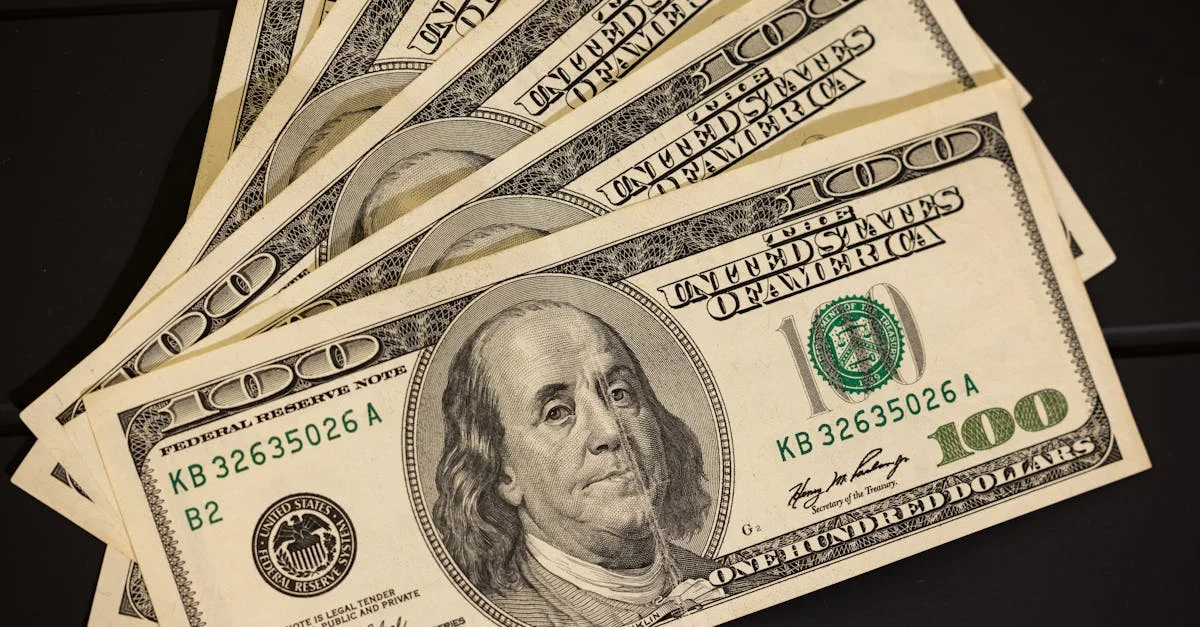
Beyond the Hype: Why Morgan Stanley is Now the Guardian of Your Stablecoins
فراتر از هیاهو؛ چرا غولهای والاستریت نگهبان استیبلکوینهای شما شدهاند؟
As stablecoins become the backbone of global digital trade, Morgan Stanley is stepping in as a reserve manager. Discover how this shift from 'magic internet money' to institutional backing changes the game for your USDT and USDC holdings.
At time of publishing
USD
154,050
Toman
Gold 18K
17.58M
Toman / gram
The Institutionalization of Digital Dollars
For years, the world of stablecoins like USDT (Tether) and USDC (Circle) was viewed by traditional bankers as a 'Wild West' experiment. These digital assets, which promise to always be worth exactly one dollar, were seen as risky tokens used primarily by crypto traders to avoid volatility. However, today's announcement that Morgan Stanley is positioning itself as a primary reserve manager for the stablecoin industry marks a massive turning point. It signals that the biggest names on Wall Street no longer see stablecoins as a threat or a toy, but as a legitimate financial infrastructure that requires world-class custody.
This move comes at a time when the Iranian market remains laser-focused on the US Dollar, which sits at 154,050 Toman today. While the price has remained stable over the last 24 hours, the underlying demand for 'digital dollars' continues to grow. When a giant like Morgan Stanley creates a fund specifically for stablecoin issuers, they are essentially providing the 'vault' where the collateral lives. For an investor in Tehran holding USDT, this means the 'backing' of their digital asset is moving from offshore accounts into the heart of the regulated US financial system.
How the 'Peg' Actually Works
To understand why Morgan Stanley’s entry matters, we must understand how a stablecoin maintains its value. Think of a stablecoin like a cloakroom ticket at a theater. The ticket itself is just a piece of paper, but its value comes from the fact that you can exchange it for your coat at any time. For a stablecoin to stay at $1.00, the company issuing it (like Tether or Circle) must prove they have $1.00 in a bank account for every single token they issue. If they issue 100 billion tokens, they need $100 billion in reserves.
In the past, these reserves were often shrouded in mystery, held in smaller banks or invested in various short-term debts. Morgan Stanley’s new initiative changes this by offering a transparent, institutional-grade vehicle for these reserves. By managing the US Treasury bills and cash that back these coins, the bank provides a layer of 'trust' that code alone cannot offer. This is particularly relevant as global tensions rise; even as President Trump orders 'shoot-to-kill' protocols in the Strait of Hormuz, the financial plumbing of the digital dollar is becoming more robust and interconnected with the traditional world.

The Iranian Perspective: Security Over Speculation
For the average Iranian user, stablecoins are more than just a trading tool; they are a vital hedge against local currency fluctuations. While gold 18k has seen a slight dip of 0.5% today to 17,575,603 Toman per gram, the US Dollar remains the primary benchmark for value. The institutionalization of stablecoin reserves by firms like Morgan Stanley reduces the 'tail risk'—the small but terrifying chance that a stablecoin could collapse or 'de-peg' due to poor management of its reserves.
However, this institutionalization is a double-edged sword. As stablecoins move into the hands of major US banks, they also come under stricter regulatory scrutiny. We are seeing a parallel trend in India, where the government is pushing its 'e-rupee' through welfare pilots to prepare for a BRICS digital currency link. For Iranians, the lesson is clear: while the safety of the assets backing your USDT is increasing thanks to Wall Street's involvement, the 'neutrality' of these assets may decrease as they become more integrated into the US banking system. Diversification between physical gold, local assets, and digital dollars remains the smartest path forward.

The Future of the 'Vibecession'
While economists in Australia talk about a 'vibecession'—a feeling that the economy is worse than the data suggests—investors in the Middle East deal with a very different reality. The convergence of AI tools, like the recently discussed DeepSeek V4, and institutional finance is creating a new era of 'smart' money. Morgan Stanley isn't just holding cash; they are building the rails for a future where every transaction, from buying fuel in the UK to settling a trade in Tehran, could eventually touch a blockchain-based dollar.
Ultimately, the news today tells us that the digital dollar is here to stay. It is no longer a fringe asset for tech enthusiasts but a core component of the global financial strategy. As an investor, your goal is to look past the daily price fluctuations of the Toman and understand the machinery behind the assets you hold. When Wall Street starts building vaults for your digital coins, it’s a sign that the 'internet of money' has finally grown up.
Concept Diagram
Watch
[2026.04.10] Watch THIS Before Investing in the Morgan Stanley Bitcoin Trust
Lucent Pulse
Frequently Asked Questions
Why does a bank like Morgan Stanley want to manage stablecoin reserves?
Does this make my USDT safer from 'de-pegging'?
Could the US government freeze my stablecoins more easily now?
What is the difference between a stablecoin and a CBDC like India's e-rupee?
Understanding Stablecoin Reserve Backing and the 1:1 Peg
Stablecoins promise a digital dollar‑like value by claiming that each token is backed 1:1 by a reserve of assets. In practice, the reserve can be cash, short‑term government securities, or a mix of other liquid instruments. The credibility of the peg hinges on two factors: the quality of the collateral and the transparency of the accounting that proves the assets exist in the claimed amount.
Different stablecoins adopt different collateral models. Tether (USDT) historically relied on a blend of cash, commercial paper, and other assets, leading to ongoing debates about the exact composition of its reserves. In contrast, USDC, issued by Circle and Coinbase, pledges that its tokens are fully backed by cash and short‑term U.S. Treasury securities, and it publishes monthly attestations from independent auditors. These distinctions matter because investors and regulators assess the risk of a de‑peg based on how easily the reserves can be liquidated in a market stress scenario.
Institutional custodians such as Morgan Stanley have entered the stablecoin ecosystem to provide third‑party verification and secure storage of the underlying assets. By holding the reserve assets in regulated, insured accounts, custodians can enhance confidence that the peg is enforceable, especially for large institutional participants who demand rigorous oversight. This custodial model also aligns with emerging regulatory frameworks that call for clear segregation of reserve assets from the issuers' operating funds.
Regulators worldwide are tightening scrutiny on stablecoin reserve transparency. The U.S. Treasury’s Financial Crimes Enforcement Network (FinCEN) and the Federal Reserve have signaled that stablecoin issuers may need to meet bank‑like reserve reporting standards. Such rules aim to prevent a scenario where a sudden rush of redemptions could exhaust the reserves, as happened with some algorithmic tokens in 2022. Understanding how reserve backing works—and who safeguards those reserves—is therefore essential for anyone considering exposure to stablecoins.