China's Sanctions Blockade: How Geopolitics Shields Iranian Oil and Moves Your Gold Prices
سد تحریمهای چین: چگونه ژئوپلیتیک نفت ایران را حفاظت و قیمت طلای شما را جابجا میکند
Recent news of China blocking US sanctions on Iranian oil refineries highlights the complex dance of global geopolitics and its direct impact on local Iranian markets. This move not only offers a lifeline to Iran's oil sector but also sends ripples through currency and gold prices, affecting your daily financial decisions. Understanding these dynamics is key to navigating an interconnected world.
At time of publishing
USD
188,200
Toman
Gold 18K
21.11M
Toman / gram
Bitcoin
$78,478
US Dollar
Tether
18,708.4
Toman
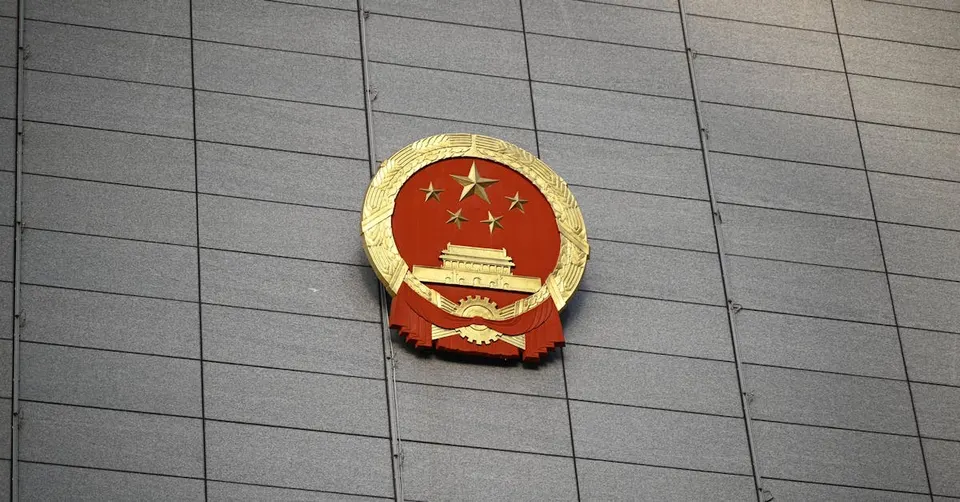
The intricate web of global politics often casts long shadows over local economies, and recent developments involving China and Iranian oil are a prime example. Just yesterday, China's Ministry of Commerce took a firm stance, blocking US sanctions against five 'teapot' refineries accused of importing Iranian oil. This isn't merely a bureaucratic decision; it's a bold geopolitical move, signaling Beijing's assertion of economic sovereignty and a direct challenge to Washington's extraterritorial sanctions. For Tehran, this translates into a crucial lifeline, potentially ensuring continued, albeit unofficial, oil exports, which are vital for generating foreign currency in a sanctions-hit economy.
This development, while seemingly positive for Iran's oil sector, arrives amidst a broader climate of heightened geopolitical uncertainty. Today, we've seen the USD/IRR exchange rate rise from 184,000 to 188,200 Toman, marking a 2.3% increase. Similarly, gold prices have surged, with 18k gold per gram climbing from 20,669,698 to 21,114,779 Toman (+2.2%), and the Emami coin appreciating from 203,000,000 to 206,000,000 Toman (+1.5%). This simultaneous rise in both foreign currency and gold suggests that the market is interpreting the China news not as a definitive de-escalation, but rather as another layer in the complex, often unpredictable, geopolitical landscape. Investors and savers in Iran often respond to such uncertainty by seeking refuge in hard assets and foreign currency, perceiving them as more stable stores of value against potential local currency depreciation.
The Ripple Effect: From Global Stages to Your Wallet
The blocking of sanctions by China isn't an isolated incident; it's deeply intertwined with the ongoing, often tense, US-Iran negotiations. Reports indicate that US-Iran peace talks remain at an impasse, primarily stalled over Iran’s nuclear program and the critical Strait of Hormuz. This persistent deadlock, coupled with China's direct defiance of US sanctions, fuels a perception of ongoing global friction and strategic competition. Such geopolitical tensions invariably heighten perceived risk in financial markets, leading to a flight to safety.
Beyond the immediate US-China-Iran dynamic, the global stage presents a mosaic of other complex challenges. For instance, in Europe, authorities at the port of Antwerp are engaged in a 'cat and mouse game' against drug smugglers, highlighting the vulnerabilities and complexities of global trade routes and illicit markets. Even seemingly distant political events, such as the UK's Reform party promoting a specific pothole-fixing machine after receiving significant donations, contribute to a general atmosphere of political noise and, for some, a sense of global instability. Collectively, these events, from major power plays to localized challenges, contribute to a broader risk-off sentiment that can nudge investor behavior. In Iran, this often translates into an increased demand for foreign currency and precious metals, pushing their prices higher against the Toman as individuals seek to hedge against future uncertainties.
Crypto in the Crosscurrents: Risk Appetite and Stability
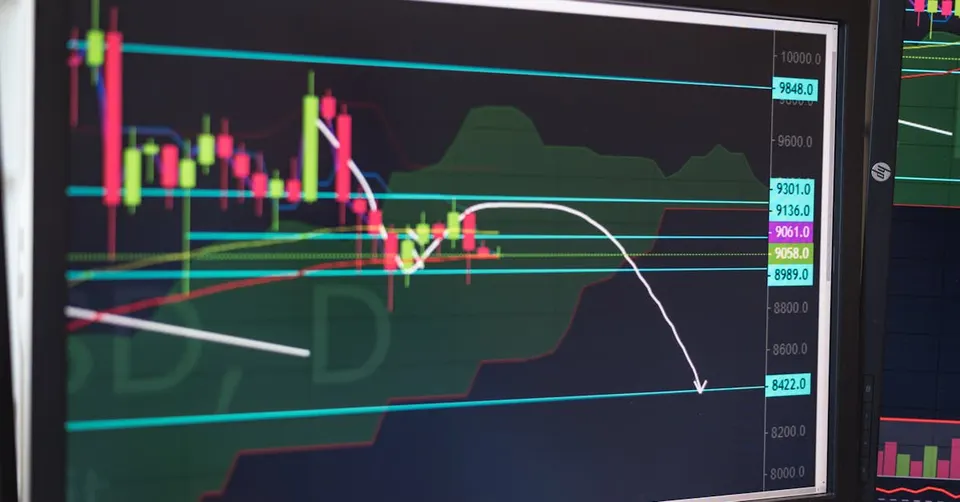
Even the digital realm of cryptocurrency is not immune to these geopolitical crosscurrents. While not directly tied to oil sanctions, the broader shifts in political landscapes and investor sentiment, as seen with the Green party's rise and subsequent media scrutiny in the UK, can reflect a general state of global flux. Crypto markets, particularly assets like Bitcoin (BTC at 78,478 USD today) and Ethereum (ETH at 2,312.19 USD), are highly sensitive to global risk appetite. When political instability or geopolitical tensions rise, some investors might retreat from riskier assets, while others might view decentralized cryptocurrencies as an alternative hedge against traditional financial systems, especially in regions with economic volatility.
For Iranian users, stablecoins like USDT (trading at 18,708 Toman today) play a crucial role. Designed to maintain a 1:1 peg with the US dollar, USDT acts as a digital bridge, allowing users to preserve purchasing power against local currency fluctuations and navigate capital controls. The current geopolitical climate, characterized by the China sanctions blockade and persistent US-Iran impasses, reinforces the perceived need for such tools. As long as global uncertainties persist and contribute to local currency weakness or inflationary pressures, the demand for stablecoins and other hard assets like gold is likely to remain robust, reflecting a continuous effort by individuals to safeguard their financial well-being in an unpredictable world.

Frequently Asked Questions
Why did China block US sanctions against Iranian oil refineries?
How does China's action affect Iranian oil exports and the local economy?
Why did USD, gold, and Emami coin prices rise in Iran despite news that might seem positive for the economy?
What role do stablecoins like USDT play for Iranian investors in this geopolitical climate?
How do broader global events, beyond direct sanctions, influence Iranian markets?
Understanding Sanctions Evasion and Mitigation Strategies
Economic sanctions are powerful foreign policy tools designed to pressure target countries or entities into changing their behavior by imposing economic costs. However, the effectiveness of sanctions is often challenged by sophisticated strategies developed to circumvent them. These "sanctions evasion and mitigation strategies" are crucial for understanding how geopolitics shapes global trade and finance, particularly concerning nations like Iran.
One primary method of mitigating sanctions involves leveraging geopolitical alliances and alternative trade mechanisms. Countries like China, driven by their own economic interests and geopolitical objectives, may continue to import sanctioned goods, such as Iranian oil. This often occurs through opaque shipping practices, complex financial arrangements that avoid the U.S. dollar-dominated international banking system (like SWIFT), or even barter systems. Such actions effectively create an economic "shield" for the sanctioned nation, allowing it to sustain critical revenue streams despite international pressure.
Beyond traditional trade, sanctioned entities increasingly turn to alternative financial instruments. The rise of digital assets, including stablecoins like USDT, offers new avenues for transactions outside conventional banking channels, making it harder for sanctions to be enforced. Similarly, domestic assets like Iran's Emami coin, often linked to gold, serve as a store of value and a medium of exchange that can bypass international financial restrictions, influencing local exchange rates (like USD/IRR) and gold prices as demand shifts to these alternative havens.
The interplay of geopolitical maneuvering and financial innovation in sanctions evasion has profound global market impacts. It can distort commodity prices, as sanctioned oil finds alternative buyers, and elevate the role of assets like gold as a safe haven or an alternative currency. Understanding these strategies reveals the complex dance between international policy, national sovereignty, and the ever-evolving landscape of global finance.