The Pragmatic Dragon: Why China's Chip Hunger and the Strait of Hormuz Dictate Your Toman's Value
اژدهای مصلحتاندیش: چرا عطش تراشههای چین و تنگه هرمز قیمت تومان شما را تعیین میکنند؟
Beyond the daily charts, a massive geopolitical chess game involving Nvidia's AI chips and the Strait of Hormوز is unfolding. Understanding China's 'pragmatic' shift is essential for any Iranian investor trying to predict the next big move in gold or the dollar.
At time of publishing
USD
180,400
Toman
Gold 18K
19.81M
Toman / gram
Bitcoin
$78,036
US Dollar
Tether
17,915.2
Toman
The 'Pragmatic' Shift in Beijing
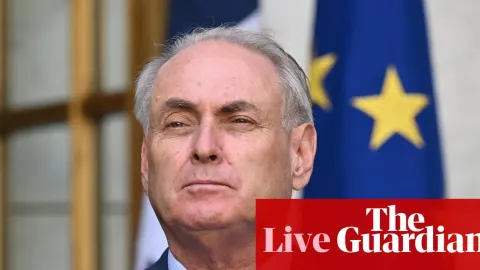
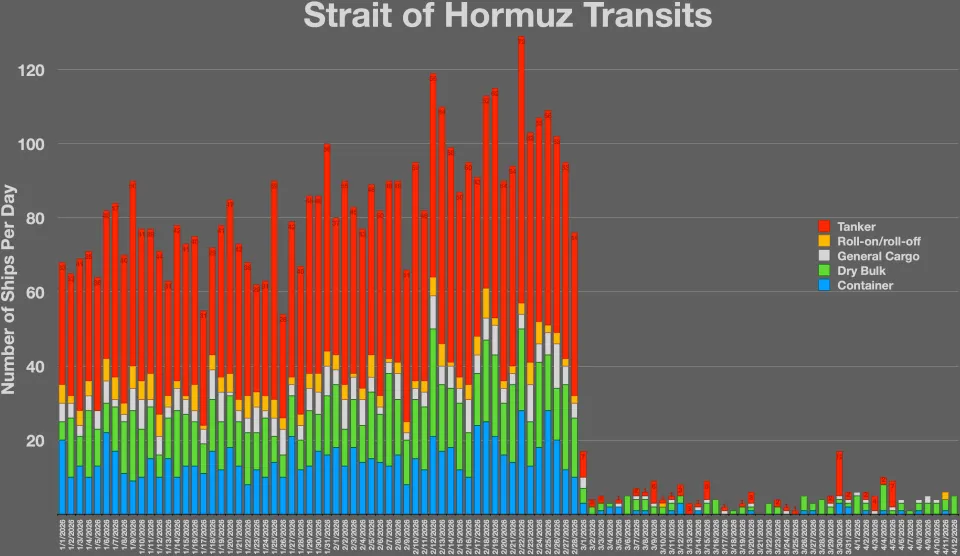
In the world of global finance, words are often chosen with surgical precision. During recent bilateral meetings in Beijing, U.S. Trade Representative Jamieson Greer described China's approach to Iran and the Strait of Hormuz as "very pragmatic." For an Iranian investor, this word is a signal. It suggests that China, despite its long-standing partnership with Tehran, is increasingly prioritizing its own economic stability and its access to high-end technology over ideological or regional loyalties. China has made it clear that they want the Strait of Hormuz to remain open with no military control or tolling, as their energy security depends on the free flow of oil.
This pragmatism isn't just about oil; it’s a survival tactic in the face of mounting U.S. pressure. While the Trump administration continues to block the export of advanced semiconductor chips, such as Nvidia’s H200, to China, Beijing is walking a tightrope. They need those chips to fuel their AI revolution, yet they also need Iranian energy. By signaling a desire for a stable, open Strait, China is essentially telling the world—and the markets—that they will not support any escalation that threatens the global shipping lanes, even if it means putting some distance between themselves and Tehran's more hardline stances.
---
The Chip War and the Toman
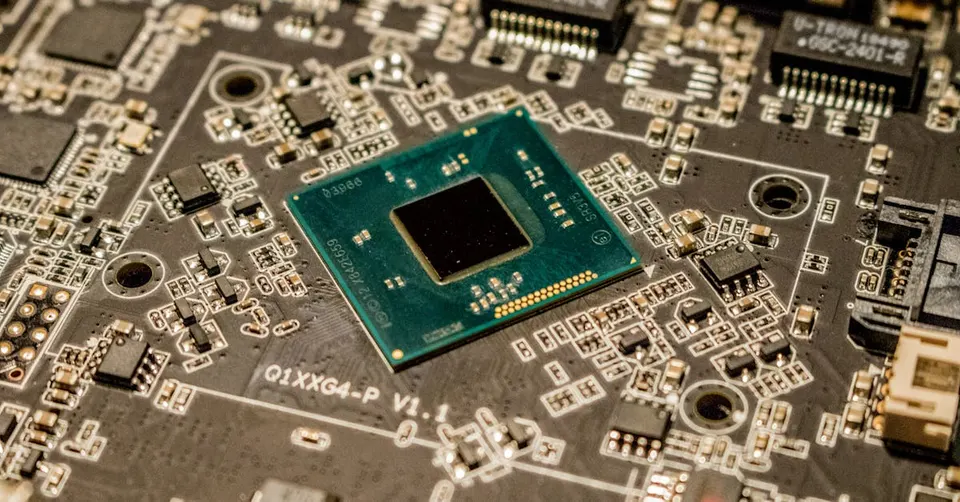
You might wonder what a high-end Nvidia H200 chip has to do with the price of USD/IRR, which currently sits at 180,400 Toman. The connection is the "leverage" the U.S. holds over China. As long as the U.S. can withhold the brains of the future—advanced AI chips—they have a massive bargaining chip in negotiations regarding Iran. If China feels that cooperating with U.S. maritime goals in the Persian Gulf will ease chip sanctions, they may reduce their "gray market" support for Iranian oil. This creates a direct feedback loop: less oil revenue for Iran leads to a tighter supply of hard currency in the domestic market, putting upward pressure on the dollar.
Furthermore, the recent news that the U.S. is not yet ready to allow Nvidia to ship its most advanced hardware to China shows that this tension is far from over. For the Iranian market, this means the "status quo" of high-pressure sanctions remains the baseline. While gold prices in Tehran have softened slightly today—with 18k gold dropping 0.4% to 19,806,546 Toman per gram—this is more of a local correction than a sign of long-term stability. The underlying geopolitical friction remains the primary driver of volatility, and as China plays its pragmatic hand, the Iranian market must brace for a more transactional relationship with its largest trading partner.
---
Confidence in a Stormy Market
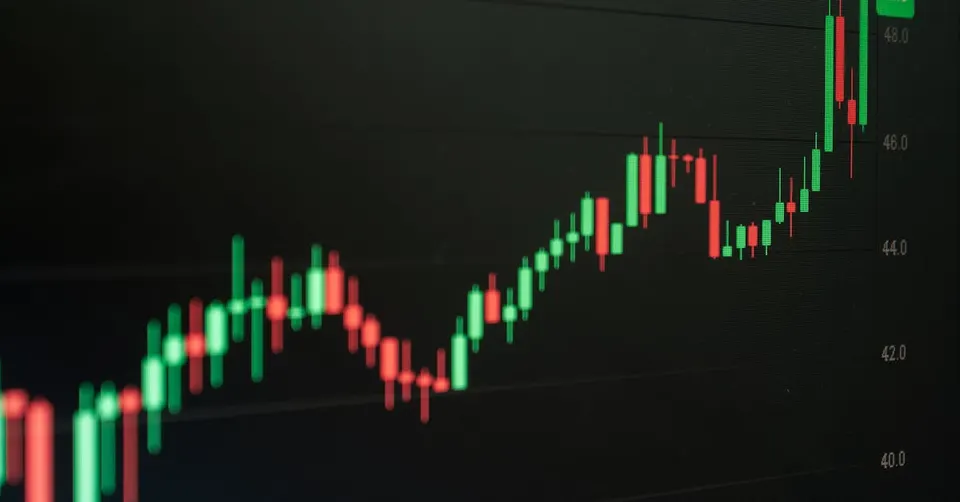
Global events are currently a whirlwind of instability. From the leadership struggles of Keir Starmer in Britain, which leave the UK looking like it has an "interim" government, to the ongoing signals of potential talks between Trump and Tehran regarding the nuclear program, the world is in a state of flux. In times like these, the "art of self-confidence," as Philippine Leroy-Beaulieu noted at Cannes, is not just for actors but for investors. Self-confidence in finance comes from understanding the mechanics of the storm rather than just fearing the wind. When you see the Emami coin drop 1.0% to 195,000,000 Toman, you must ask if this is a response to the Lebanon truce extension or a temporary dip in local demand.
The reality is that the Iranian economy is increasingly sensitive to these high-level tech and energy negotiations. If the Trump administration continues to use cyberattacks and sanctions as a "behind the scenes" clash with China, Iran is often the secondary theater where these tensions play out. For the everyday user, this means that holding an "inflation hedge" like gold or Bitcoin (currently at $78,036) is less about speculation and more about insurance against a global chess game where the rules are being rewritten in real-time. Staying informed about chip exports and maritime security is now just as important as checking the daily price of the dollar.
Concept Diagram
Frequently Asked Questions
Why does China's 'pragmatic' stance matter for the Toman?
How do Nvidia H200 chips relate to the Strait of Hormuz?
Is the current dip in gold prices a long-term trend?
What should Iranian investors watch besides the USD rate?
Understanding Geopolitical Risk: Its Impact on Global Supply Chains and Currency Value
Geopolitical risk refers to the potential for political events, tensions, or conflicts between nations to disrupt global stability and economic activity. These risks are not confined to specific regions; rather, they ripple through interconnected global systems, affecting everything from commodity prices to technological innovation. For instance, seemingly distant events like trade disputes, regional conflicts, or strategic competition over critical resources can have profound and immediate consequences on a nation's economic health and, crucially, the value of its currency.
One primary way geopolitical risk manifests is through the disruption of global supply chains. Consider the Strait of Hormuz, a vital chokepoint for a significant portion of the world's oil trade. Any threat to its free passage, whether from political tensions or military actions, immediately raises oil prices and creates uncertainty in energy markets worldwide. Similarly, the ongoing competition and sanctions surrounding advanced AI chips, as seen with restrictions on companies like Nvidia supplying China, highlight vulnerabilities in the technology supply chain. Such disruptions can lead to increased production costs, shortages, and a slowdown in economic growth for dependent nations.
These supply chain vulnerabilities and broader geopolitical uncertainties directly influence a currency's value. When a country's access to essential imports (like oil or advanced technology) is threatened, or its ability to export is hampered by sanctions or trade barriers, its economic outlook darkens. This uncertainty often leads to capital flight, reduced foreign investment, and a decline in trade, all of which put downward pressure on the national currency. For economies heavily reliant on global trade or susceptible to international sanctions, like Iran, the Toman's value becomes particularly sensitive to these external geopolitical pressures.
Ultimately, understanding geopolitical risk is crucial for comprehending the forces that shape global finance. It demonstrates how political decisions and international relations are not abstract concepts but tangible factors that can dictate the price of everyday goods, influence investment decisions, and directly impact the purchasing power of a currency, linking global power plays to the value of your local money.