
Noise vs. Signal: Why Resignation Rumors and Geopolitical Static Spike the Toman
سیگنال در برابر نویز؛ چرا شایعات استعفا و تنشهای ژئوپلیتیک قیمت دلار را جابهجا میکنند؟
In a market as sensitive as Iran's, a single rumor can move the dollar by thousands of Tomans in hours. We break down the recent resignation rumors, the 2.1% jump in USD, and how savvy investors separate market 'noise' from actual economic 'signals.'
At time of publishing
USD
175,400
Toman
Gold 18K
19.07M
Toman / gram
Bitcoin
$72,923
US Dollar
Tether
173,520
Toman
The Psychology of the 2% Jump
Today, the Iranian Rial experienced a sharp decline, with the USD selling price rising from 171,800 to 175,400 Tomans, a 2.1% increase in just 24 hours. While many look for fundamental economic data to explain such moves, the catalyst this time was largely psychological. Rumors began circulating on social media claiming that President Masoud Pezeshkian had resigned. Government spokesperson Fatemeh Mohajerani was forced to intervene, describing these claims as the "wishful thinking of enemies" projected as fact. This is a classic example of market 'noise'—information that is loud, urgent, but ultimately lacks a factual basis.
For the average investor in Tehran, these moments are high-stress. When rumors of political instability hit the wires, the immediate reaction is a flight to safety. This is why we saw Gold 18k per gram rise by 1.2% to cross the 19 million Toman mark. In the world of finance, 'noise' creates volatility because it triggers emotional selling or buying. Understanding that the government has reaffirmed its determination to serve, as Pezeshkian did today, helps calm the market, but the price often takes longer to 'cool down' than it did to heat up.
Global Signals vs. Local Noise
While local rumors dominated the headlines, significant 'signals' were occurring in the global crypto and geopolitical landscape. A 'signal' is information that has a long-term impact on value. For instance, the Sui Foundation's major upgrade to fix network outages and the news that crypto exploit losses fell 90% in May to $68 million are signals of a maturing, safer digital asset market. Even more fascinating was the story of a whitehat developer unlocking $2 million in Ethereum stuck since 2016. These events show that while the Toman fluctuates on rumors, the underlying technology of the global financial system is becoming more robust.
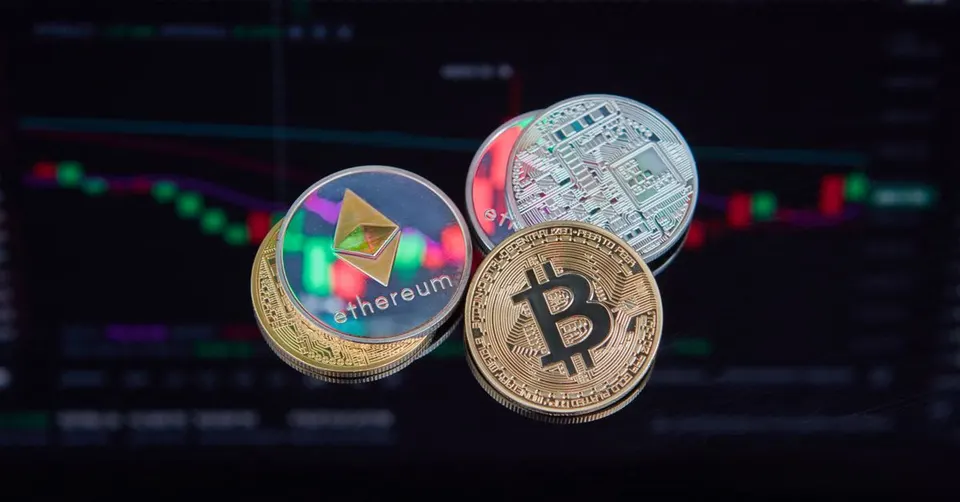
However, not all signals are positive. The reported US strikes on military sites in Goruk and Qeshm Island over the weekend represent a 'hard signal.' Unlike a resignation rumor, military action has direct consequences for trade routes and insurance premiums in the Persian Gulf. This geopolitical tension is a primary reason why Bitcoin is pinned at the $73,000 level, as global investors weigh the risk of a broader conflict. For an Iranian investor, distinguishing between a fake telegram post about a resignation and a verified report of a drone interception in Kuwait is the difference between a panicked trade and a calculated hedge.
How to Protect Your Portfolio from the Static
In an environment where the USD can jump 2% on a rumor, the best strategy is to look for 'hedges' that are less sensitive to local news cycles. Gold remains the traditional choice, but the way it is moving—up 1.2% while the Emami coin only rose 0.3%—suggests that the market is currently favoring the raw material over the minted coin. This might be due to the massive global gold price of $4,493 per ounce, which provides a floor for local prices regardless of domestic political rumors.
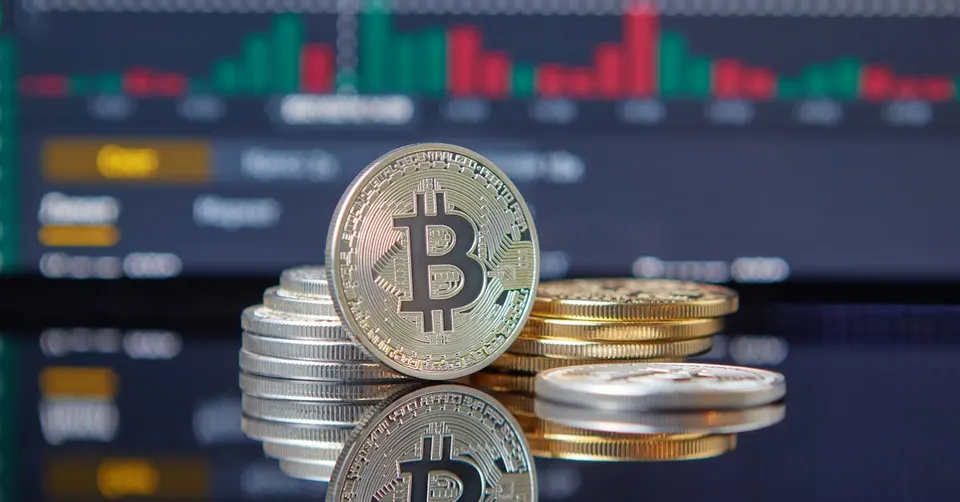
Beyond gold, the crypto market offers a different kind of signal. Despite the 'washout' in XRP hitting 15-week lows, the broader stability of Bitcoin near its all-time highs suggests that global liquidity is still looking for a home. Iranian users often use USDT as a bridge; today, USDT is trading at 173,520 Tomans. By keeping a portion of assets in stablecoins or gold, you effectively mute the 'noise' of local political drama. Remember, the goal of an investor isn't to react to every headline, but to build a portfolio that can survive the headlines that turn out to be false.
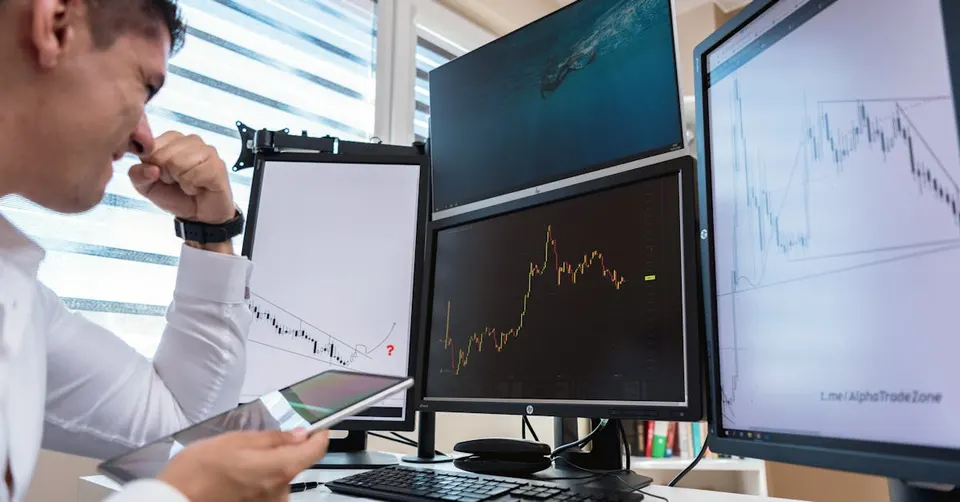
Frequently Asked Questions
What is the difference between 'noise' and a 'signal' in finance?
Why did the Toman drop even though the resignation rumors were denied?
Is gold a better hedge than USDT during political rumors?
How can I verify if a market move is based on a real event?
Signal vs. Noise: How Investors Separate Real Information from Rumor
In any financial market, especially one as volatile as Iran’s, investors are constantly bombarded with a mix of genuine data—such as official exchange rates, central bank policy moves, and real‑time gold prices—and a flood of rumors, political gossip, and speculative headlines. The signal‑to‑noise ratio is a concept borrowed from engineering that measures how much useful information (the signal) is present relative to distracting, irrelevant, or misleading data (the noise). A high ratio means you can see the underlying trend clearly; a low ratio means the market’s price movements are being driven more by hype than fundamentals.
When a rumor spreads—like the resignation speculation surrounding former minister Pezeshkian—it can cause a short‑term spike in the Toman‑USD price or a surge in crypto demand, even if the underlying macro‑economic conditions haven’t changed. Traders who react to every headline risk “over‑trading” and paying higher transaction costs, while those who filter out the noise can focus on more reliable indicators such as the Central Bank’s official rate, foreign‑exchange reserves, or the gold‑to‑rial parity. Techniques such as moving averages, volume‑weighted average price (VWAP), and fundamental analysis act as filters that smooth out erratic price swings and highlight the true market direction.
A practical way to improve your signal‑to‑noise ratio is to establish a decision‑making framework before the news hits. For example, you might decide that only changes in the Central Bank’s policy rate, or a verified shift in official import‑export data, will trigger a portfolio adjustment. All other information—social‑media chatter, unverified resignation rumors, or speculative crypto security audits—would be logged but not acted upon until corroborated by a trusted source. This disciplined approach reduces emotional trading and helps protect capital during periods of geopolitical turbulence.
Understanding the difference between signal and noise also matters for risk management. If you treat every rumor as a signal, you may inadvertently increase portfolio volatility and exposure to tail‑risk events. By quantifying the reliability of each information source—assigning higher weights to official statistics and lower weights to anecdotal reports—you can build a more robust risk model that reflects the true probability of different outcomes.
In short, mastering the art of filtering noise is essential for anyone navigating the Iranian rial market, gold investments, or crypto assets amid political uncertainty. By focusing on high‑quality data, using statistical filters, and adhering to a pre‑set decision framework, investors can protect themselves from the whiplash caused by every headline and make more rational, long‑term decisions.