Why Ghosts of the Past and Hawks in D.C. Drive the Toman: From Polish Memorials to Lindsey Graham’s Death
چرا ارواح تاریخ و شاهینهای واشینگتن قیمت دلار را جابهجا میکنند؟ از یادبودهای لهستان تا مرگ لیندزی گراهام
Geopolitical risk isn't just about today's missiles; it's about the fragility of alliances and the sudden loss of political anchors. Learn how historical disputes in Europe and the death of a key U.S. hawk are currently fueling the 1.3% rise in the USD/IRR rate.
At time of publishing
USD
178,200
Toman
Gold 18K
17.64M
Toman / gram
Bitcoin
$63,765
US Dollar
Tether
178,685
Toman
The Weight of History on Modern Markets
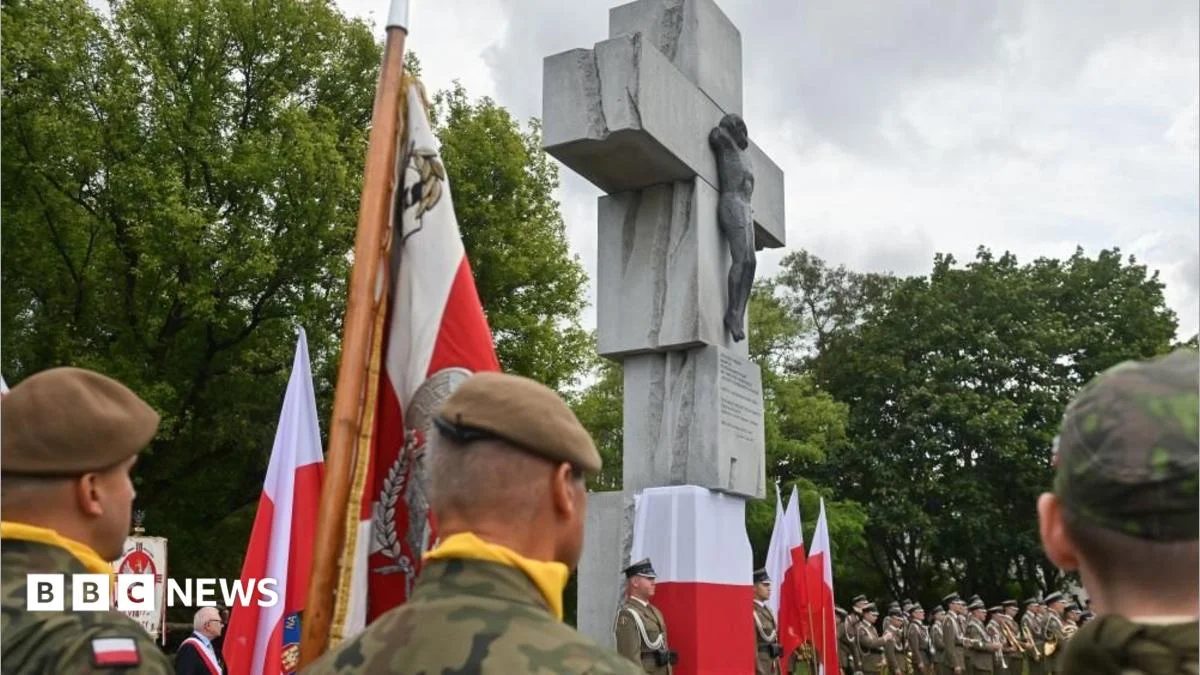
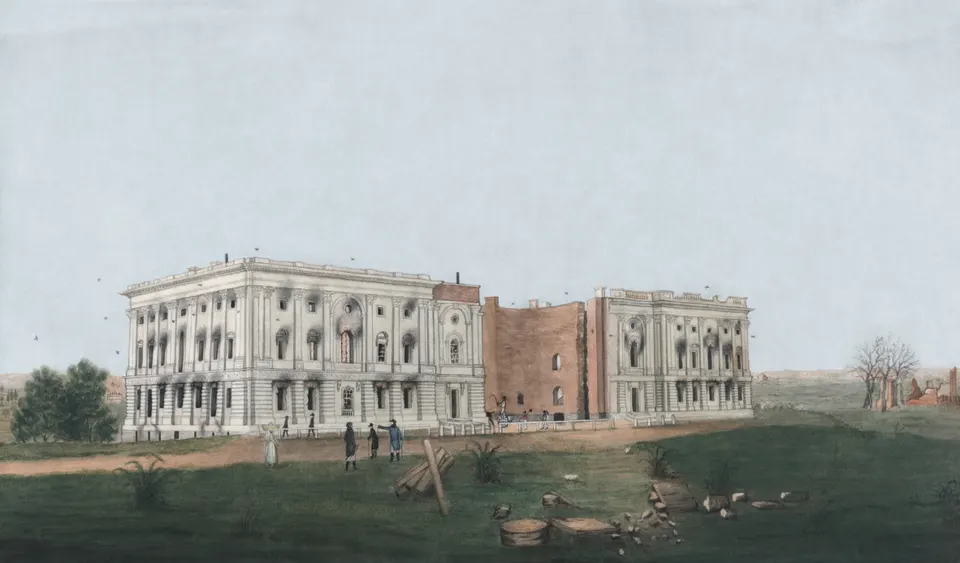
Geopolitics is often viewed through the lens of immediate conflict, but today’s headlines from Warsaw remind us that the 'ghosts of the past' can disrupt the stability of the present. Polish Prime Minister Donald Tusk has pledged a memorial to victims of World War II massacres committed by Ukrainian nationalists, a move that highlights deep-seated historical grievances between two critical allies. While this might seem distant from the Tehran bazaar, it represents a 'frictional risk' in the European security architecture. When key allies like Poland and Ukraine face internal diplomatic friction, the perceived stability of the Western bloc wavers. For global investors, this signals that even the most solid-looking alliances have cracks, leading to a subtle shift away from 'risk-on' assets.
In the world of finance, uncertainty is the ultimate enemy. When historical disputes resurface, they remind markets that political cooperation is often temporary and fragile. This fragility is a primary driver of the 'Geopolitical Risk Premium'—the extra cost added to assets like the U.S. Dollar and Gold because of the world's inherent unpredictability. Today, we see this reflected in the local market as the USD rose from 176,000 to 178,200 Toman (+1.3%), while Gold 18k climbed to 17,637,010 Toman per gram. Investors aren't just reacting to today's news; they are hedging against a future where old wounds might reopen and disrupt trade routes or security pacts.

The Death of a Hawk and the Policy Vacuum
The sudden death of U.S. Senator Lindsey Graham, a towering figure in American foreign policy and a staunch 'hawk' regarding Iran, adds another layer of complexity to the current market sentiment. Graham was more than just a politician; he was a predictable anchor for a specific type of aggressive U.S. foreign policy. His passing creates a temporary power vacuum and uncertainty about who will lead the Republican party’s stance on Middle Eastern sanctions and military engagement. Markets generally prefer a known hawk over an unknown quantity. The 'brief and sudden illness' reported by his office has left analysts scrambling to recalibrate their expectations for U.S.-Iran relations in the coming months.
This political shift coincides with a dangerous escalation on the ground. The Iranian Armed Forces recently conducted drone and missile attacks on U.S. bases in the region, responding to previous American airstrikes. This 'tit-for-tat' cycle, combined with the loss of a key political voice like Graham, makes the path toward any diplomatic de-escalation look increasingly narrow. For the Iranian reader, this means the 'Sanction Risk' remains priced at a premium. As long as the leadership in Washington is in flux and the regional military posture is aggressive, the Toman will likely remain under pressure, as evidenced by the 1.4% jump in the Emami coin to 178,500,000 Toman.
Crypto’s Internal Battles vs. Global Chaos
While traditional markets are reeling from geopolitical shifts, the cryptocurrency world is fighting its own internal battles. Bitcoin bulls like Michael Saylor and Adam Back are currently clashing over the BIP-110 Ordinals proposal. This technical debate about how the Bitcoin blockchain should be used—whether for pure currency or for data storage like 'Ordinals'—has kept Bitcoin prices relatively stagnant at $63,765. Despite the chaos in the physical world, Bitcoin hasn't seen the same 'safe haven' rush as Gold today, largely because the crypto community is distracted by these fundamental governance questions.
For the Iranian investor, this creates a fascinating divergence. While the Toman-denominated price of USDT has risen to 178,685 due to the local currency's weakness, the global price of BTC remains 'little changed.' This reminds us that crypto is not always a perfect hedge against immediate geopolitical conflict; sometimes, internal technical disputes can weigh more heavily on its price than a regional war. Understanding the difference between 'Local Risk' (which drives the Toman down) and 'Global Tech Risk' (which keeps BTC flat) is essential for anyone trying to navigate the current volatility. Today's market is a clear lesson: your wealth is affected as much by a technical debate in the Bitcoin community as it is by a memorial in Warsaw or a funeral in Washington.
Frequently Asked Questions
Why did the death of a U.S. Senator like Lindsey Graham affect the price of the Toman?
How can a memorial in Poland for events from 80 years ago impact today's exchange rates?
Why didn't Bitcoin rise as much as Gold during this round of U.S.-Iran military escalation?
What does 'Geopolitical Risk Premium' mean for an ordinary Iranian buyer?
The Geopolitical Risk Premium and Currency Depreciation
The concept of a Geopolitical Risk Premium acts as an invisible surcharge applied by financial markets. It represents the additional compensation investors demand for holding assets in a country or region perceived to be politically unstable, prone to conflict, or subject to significant international tensions. This premium is not merely a theoretical construct; it directly impacts real-world financial metrics, most notably a nation's currency value.
When geopolitical tensions escalate, investors typically react by moving capital out of the affected region and into perceived safe-haven assets or currencies. This capital flight increases the demand for foreign currencies (such as the U.S. dollar) while simultaneously reducing demand for the local currency. The inevitable outcome is often a sharp depreciation of the local currency, as has frequently been observed with the Iranian Toman in response to various regional and international developments.
The drivers of this premium are multifaceted, ranging from the immediate threat of military conflict and the imposition of international sanctions to internal political instability and even the resurgence of historical grievances. For a country like Iran, the complex and often adversarial relationship with major global powers, particularly the United States, coupled with intricate regional dynamics, consistently contributes to a significant geopolitical risk premium embedded within its financial assets and overall currency valuation.
Ultimately, this premium reflects the market's collective assessment of future uncertainty and potential negative economic or political outcomes. It acts as a constant downward pressure on the Toman, making imports more expensive, fueling domestic inflation, and eroding the purchasing power of ordinary citizens. Understanding this mechanism is crucial for comprehending why a currency's value can be so profoundly influenced by geopolitical "ghosts of the past" and the actions of "hawks in D.C.," even in anticipation of future events.