From Australian LNG Strikes to Tehran’s Toman: Why Global Energy Shocks Move Local Prices
از اعتصاب گاز در استرالیا تا نوسان دلار در تهران: چرا شوکهای انرژی جهانی بر جیب ما اثر میگذارند؟
A strike at a massive gas project in Australia might seem worlds away, but its ripple effects are hitting the Rial today. Learn how global energy supply chains and regional tensions create the 'perfect storm' for currency volatility.
At time of publishing
USD
174,700
Toman
Gold 18K
18.82M
Toman / gram
Bitcoin
$66,744
US Dollar
Tether
172,297
Toman
The Butterfly Effect: Australian Gas and Your Wallet
It sounds like a riddle: why does a two-hour work stoppage by laborers at the Ichthys LNG project in Australia cause the US Dollar to rise against the Iranian Rial in Tehran? The answer lies in the hyper-connected world of energy markets. Today, news broke that industrial action at one of Australia’s most critical Liquefied Natural Gas (LNG) hubs has begun to disrupt cargo loadings. When a major supplier like Australia—a titan in the LNG space—faces delays, global energy prices spike. This isn't just about gas; it's about the cost of everything that requires energy to produce or transport. For investors, this signals 'Cost-Push Inflation,' a scenario where rising production costs lead to higher prices across the board.
As global energy costs climb, the US Dollar often strengthens as a 'safe haven' and because energy is globally priced in Greenbacks. We see this reflected in today's midday data: the USD sell rate in Tehran rose from 173,900 to 174,700 Toman, a 0.5% increase in just 24 hours. While half a percent might seem small, in a high-stakes economy like Iran's, it signals a shift in sentiment. When global energy is at risk, liquidity flees from emerging or volatile markets and hides in the dollar, putting immediate pressure on the Rial.
The Regional Risk Premium: Missiles and Markets
While Australia provides the global backdrop, the immediate local volatility is fueled by headlines closer to home. Today’s reports of an Iranian drone and missile attack on Kuwait’s international airport, coupled with footage of missiles flying over Kuwaiti motorways, have injected a heavy 'risk premium' into the market. A risk premium is essentially the extra cost investors pay—or the value they lose—due to the uncertainty of war or instability. When missiles are in the air, the fundamental value of a currency often takes a back seat to raw fear.
This regional tension is exacerbated by political stalemates. US Senator Marco Rubio recently stated that sanctions on Iran would only be lifted if enriched uranium is surrendered, flatly rejecting a deal linked to the Strait of Hormuz. This 'deadlock' ensures that the economic ceiling for Iran remains low. For the average person in Tehran, this means that even if global oil prices rise—which theoretically should help an oil-producing nation—the inability to trade freely due to sanctions and military escalation means the Rial doesn't feel the benefit. Instead, we only feel the 'inflationary' side of the energy spike.
---
Why Gold Dipped While the Dollar Rose
Interestingly, while the Dollar rose by 0.5%, Gold 18k per gram actually saw a slight dip of 0.3%, falling from 18,870,446 to 18,816,658 Toman. This divergence often confuses beginners. Usually, gold and the dollar move in opposite directions globally. When the US Dollar becomes significantly stronger due to rising interest rates or global energy demand, it makes gold (which is priced in dollars) more expensive for other countries to buy, leading to a temporary drop in gold's global price.
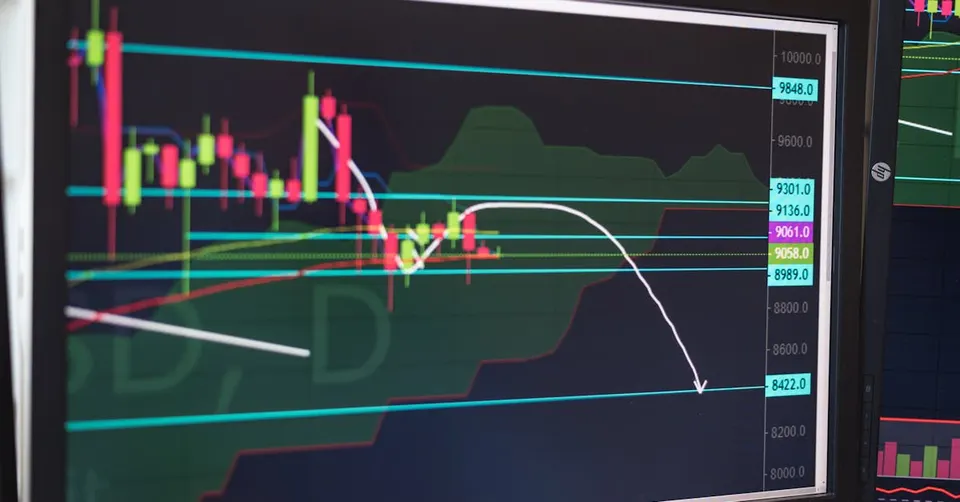
However, in Iran, the 'Emami Coin' still managed a 0.3% gain, reaching 183,500,000 Toman. This suggests that local demand for physical 'hard' assets remains high despite the slight drop in the raw price of gold. It’s a classic example of the 'Arzbin' reader’s dilemma: do you hedge with the dollar or with gold? Today’s market shows that while the dollar is the immediate winner of the energy shock, the local 'coin' market is stubbornly holding its ground as a shield against the regional instability seen in Kuwait and the Persian Gulf. Understanding these mechanics helps you move from reacting to the news to anticipating the market's next move.

The Human Cost of Economic Friction
Finally, we must look at the broader geopolitical climate. In Australia, political leaders like Anthony Albanese and Angus Taylor are locked in a 'bitter fight' over budget tax changes, reflecting a global trend where governments are struggling to balance inflation with social support. Meanwhile, in Dubai, migrant workers are attending stress-management classes to cope with the fear of regional missile strikes.
These stories remind us that finance isn't just numbers on a screen—it's a reflection of human stability. When you see the Toman fluctuate, you aren't just seeing a currency pair; you are seeing the combined weight of Australian labor strikes, US Senate decisions, and regional military maneuvers. For the smart investor, the goal isn't to predict every missile, but to understand that in 2026, a strike in a remote Australian port is just as relevant to your savings as the price of bread at the local bakery.
Frequently Asked Questions
Why does a gas strike in Australia affect the price of the dollar in Tehran?
Why did gold prices drop while the dollar rose today?
What does 'Risk Premium' mean for the Iranian Rial?
Will the USD price continue to rise if the strikes end?
Understanding the Energy Risk Premium
Global headlines often connect seemingly disparate events – an Australian natural gas strike, geopolitical tensions in the Middle East, or new international sanctions – to shifts in local prices, from the value of a currency like the Iranian Toman to the cost of everyday goods. The underlying economic concept that ties these threads together is the Risk Premium, particularly as it applies to energy markets.
A risk premium is essentially the extra return or compensation investors demand for taking on an asset that carries a higher level of risk compared to a risk-free alternative. In the context of energy, this means that the price of oil or natural gas doesn't just reflect current supply and demand; it also incorporates an additional component to account for potential future disruptions, political instability, or unexpected supply shocks. When an event like an LNG strike in Australia occurs, it signals potential future supply constraints, pushing up the risk premium on natural gas. Similarly, escalating geopolitical tensions in the Persian Gulf or new sanctions against a major energy producer introduce uncertainty about future supply availability, leading traders to demand a higher price (a higher risk premium) for oil today.
This globally determined energy price, now embedded with a higher risk premium, then cascades down to local economies. For nations heavily reliant on energy imports, increased global prices directly translate to higher domestic inflation as the cost of fuel, electricity, and goods manufactured using energy rises. For energy-exporting countries, especially those facing international sanctions like Iran, the impact is complex. While higher global oil prices might theoretically boost revenue, sanctions often restrict their ability to fully capitalize on these prices. Furthermore, the broader geopolitical risks that drive up the energy risk premium can also exacerbate domestic economic instability, leading to currency depreciation (like the Toman) and a flight to alternative stores of value, such as gold coins (like the Emami coin), as citizens seek to protect their wealth from inflation. Understanding the energy risk premium thus provides a crucial lens through which to interpret how global events can profoundly shape local economic realities.