The Invisible Sentence: How Geopolitical Drama and Market Hype Impact Your Savings
مجازات نامرئی؛ چگونه تنشهای سیاسی و هیجانات بازار بر دارایی شما اثر میگذارند
When global leaders face scandals or sports stars dominate headlines, the ripple effects hit financial markets in unexpected ways. Learn how to navigate the 'invisible sentence' of economic volatility and why sentiment often trumps logic.
At time of publishing
USD
170,700
Toman
Gold 18K
18.77M
Toman / gram
Bitcoin
$73,862
US Dollar
Tether
170,442.243
Toman
The Weight of External Events
Former Scottish First Minister Nicola Sturgeon recently remarked that she feels as if she is "serving a sentence for a crime I did not commit," following the financial scandals involving her husband and the SNP. For the average investor, especially in a complex market like Iran, this sentiment rings incredibly true. We often find our purchasing power eroded or our portfolios bleeding not because of our own mistakes, but because of the policy failures or legal dramas of figures thousands of miles away. This is what we call 'systemic risk'—the invisible sentence that every participant in the global economy serves when institutional trust breaks down.
When a major political figure faces a crisis of accountability, it isn't just a headline; it is a signal to the markets. Uncertainty leads to capital flight, and in the interconnected world of 2026, capital flight from one region often means a surge in 'safe-haven' assets elsewhere. Today, we see the USD/IRR exchange rate nudging upward to 170,700 Toman, a slight 0.2% increase. While seemingly small, these micro-shifts are the market's way of pricing in the global noise, from European political instability to the shifting sands of regional diplomacy.

The Mirage of Hype: From NBA Finals to Crypto Scams
Market sentiment is a fickle beast, often driven by cultural moments rather than cold mathematics. Whether it is the euphoria surrounding Victor Wembanyama leading the Spurs to the NBA Finals against the Knicks or the cultural divide over the finale of 'Euphoria,' the collective mood of Gen Z and millennial investors dictates where the money flows. In the crypto world, this 'hype' is frequently weaponized. The recent SEC lawsuit against the Privvy founder for a $12.3 million scheme involving fake AI bots is a stark reminder that where there is high sentiment, there are often predators.
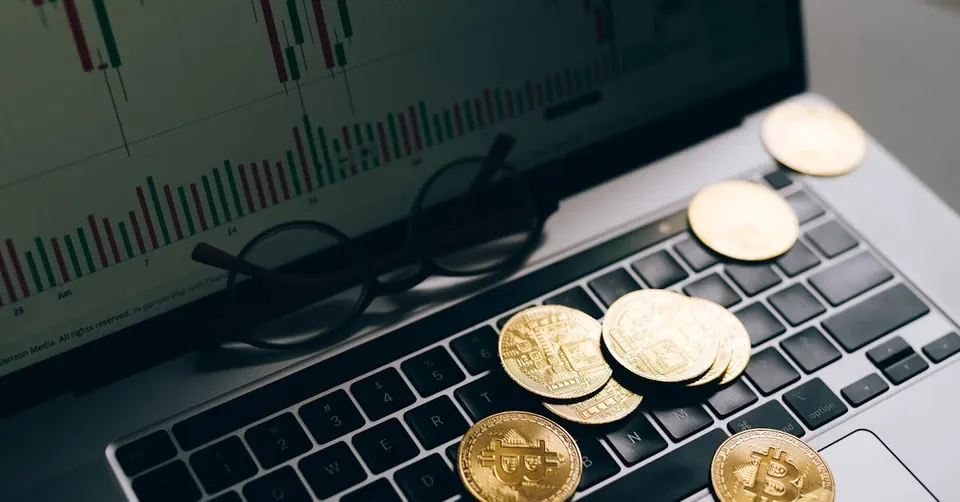
Investors must learn to distinguish between 'value' and 'noise.' The Spurs' victory is a testament to long-term strategy and talent, much like a solid investment. Conversely, the Privvy scandal represents the dark side of the fintech revolution, where the buzzword 'AI' was used to mask a simple embezzlement scheme. As Bitcoin sits at $73,862, the temptation to chase the next big thing is high, but the 'invisible sentence' for those who follow hype without due diligence is the permanent loss of capital. Always ask: is the technology real, or is it just a digital ghost designed to fund someone else's lavish lifestyle?
Local Stability in a Global Storm
Despite the chaos abroad, the Iranian market today shows a narrative of cautious resilience. While the USD rose slightly, Gold 18k/gram climbed a modest 0.1% to 18,766,101 Toman, and the Emami coin remained flat at 180,000,000 Toman. This stability is often supported by internal narratives of strength. For instance, Deputy Chief of the Iranian Army Rear Admiral Habibollah Sayyari recently emphasized that the nation's armed forces possess the most advanced equipment. Such statements are intended to project a sense of security that anchors the local currency against speculative attacks.
Furthermore, cultural events like the "For Iran" art exhibition visited by the IRNA CEO remind us that an economy is more than just numbers on a screen; it is a reflection of national confidence. When you see the global markets reacting to a basketball game or a political scandal, remember that your best defense is a diversified portfolio that accounts for both local reality and global volatility. Understanding that you are part of a global ecosystem means recognizing that while you cannot control the 'crimes' of others, you can certainly choose how you protect yourself from the 'sentence.'

Concept Diagram
Frequently Asked Questions
How does a political scandal in Europe affect the price of USD in Iran?
What is the 'Invisible Sentence' mentioned in the article?
Is the current Bitcoin price of $73,862 driven by fundamentals or hype?
Why did Gold 18k and Emami coin stay relatively stable today despite the USD rise?
Understanding Systemic Risk: Why It Matters for Your Savings
Systemic risk refers to the possibility that a disturbance in one part of the financial system can spread, causing widespread instability or even a collapse of the entire system. Unlike isolated failures, systemic events are contagious because banks, markets, and even non‑financial firms are tightly linked through lending, derivatives, and shared expectations. When one institution or market segment falters, the shock can ripple through the network, amplifying the original problem.
Several modern phenomena illustrate how systemic risk can arise from seemingly unrelated sources. A sudden devaluation of the USD/IRR exchange rate, a high‑profile crypto‑scam powered by AI, or a scandal involving a political figure such as Nicola Sturgeon can all trigger panic selling, liquidity squeezes, and credit tightening. Even sentiment driven by sports events—like a dramatic NBA playoff outcome—can sway investor mood, feeding into broader market volatility. These channels show that risk is not confined to traditional banking but spans currencies, digital assets, and even pop‑culture narratives.
Regulators and policymakers monitor systemic risk using tools like stress tests, macro‑prudential buffers, and early‑warning indicators. Central banks may intervene by providing emergency liquidity, while fintech education programs aim to equip retail investors with the knowledge to recognize warning signs and diversify responsibly. Understanding the mechanisms behind systemic risk helps savers avoid over‑exposure to any single asset class, whether it’s Iranian gold, cryptocurrencies, or volatile equity markets.
The heightened market volatility projected for 2026 underscores the relevance of systemic risk for everyday households. Rapid swings in asset prices can erode savings if investors are caught off‑guard, but a solid grasp of systemic risk concepts enables better risk‑management decisions. By staying informed about how interconnected shocks propagate, you can protect your portfolio against the invisible forces that shape the financial landscape.