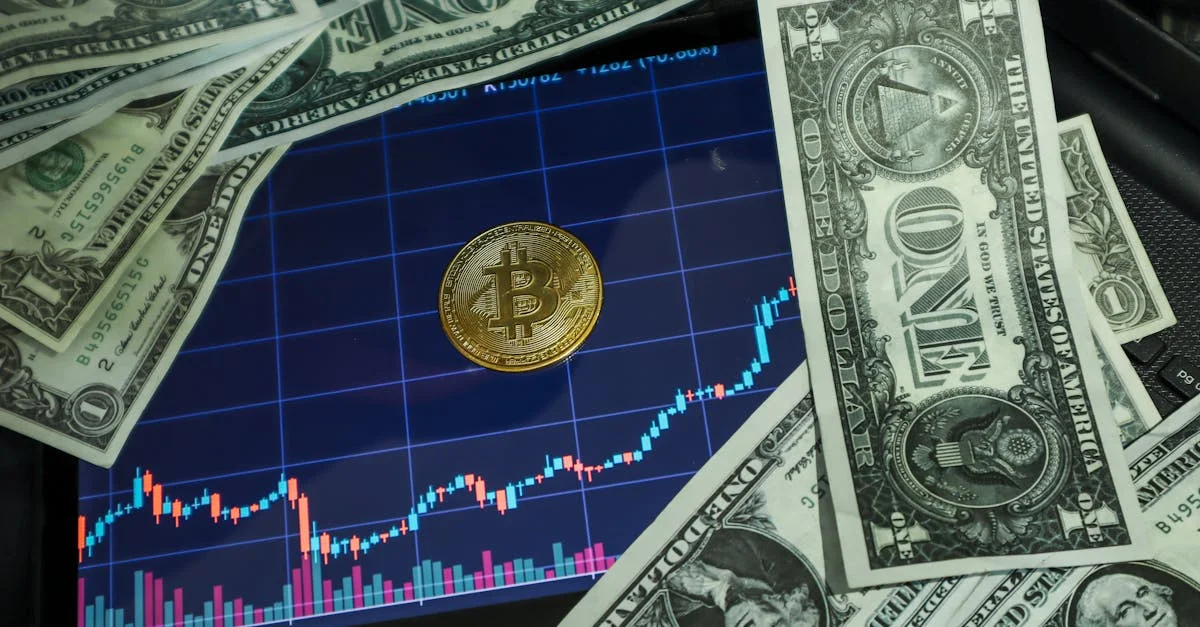
The $60,000 Tightrope: Why US Aid Packages and Global Geopolitics Move Your Bitcoin
بندبازی بیتکوین روی مرز ۶۰ هزار دلار؛ چرا بستههای حمایتی آمریکا بر دارایی شما اثر میگذارد؟
As Bitcoin teeters near the critical $60,000 support level, global political shifts—like the US House defying leadership to pass Ukraine aid—are more than just news; they are market signals. Understanding the link between 'Risk-On' sentiment and your USDT holdings is crucial for navigating this volatility.
At time of publishing
USD
173,700
Toman
Gold 18K
18.77M
Toman / gram
Bitcoin
$62,989
US Dollar
Tether
173,452
Toman
The Psychological Floor: Why $60,000 Matters
Bitcoin is currently trading at $62,989, but the atmosphere in the market is tense. For traders, the $60,000 mark isn't just a number; it is a psychological and technical line in the sand. According to recent data from Deribit, a major crypto options exchange, a dip below this level could trigger a massive wave of liquidations. When thousands of traders set their 'stop-loss' orders at the same level, a breach of that price acts like a falling row of dominoes, pushing the price down further and faster than fundamental value would suggest.
For the Iranian investor holding USDT, this volatility creates a double-edged sword. While the USD/IRR rate remains stable today at 173,700 Toman, the purchasing power of your Bitcoin is shrinking. This is why understanding the 'why' behind the move is better than just watching the 'what.' Currently, we are seeing significant ETF outflows, meaning big institutional players in the US are pulling money out of Bitcoin funds. This 'wait-and-see' approach by big money often precedes a larger market shift, and for now, that shift is leaning toward caution.
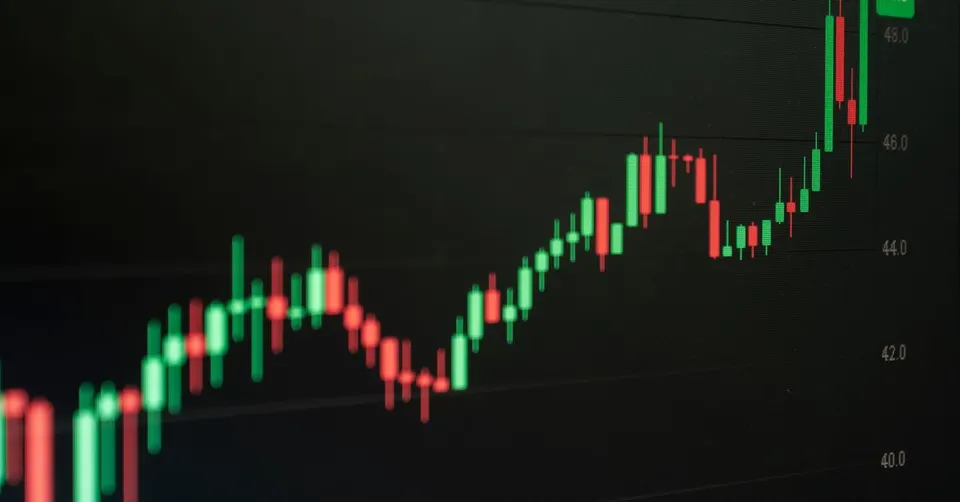
The Geopolitical Engine: Aid, Defiance, and 'Risk-On' Assets
Financial markets do not exist in a vacuum. Yesterday, the US House of Representatives passed a massive aid package for Ukraine in a 226-195 vote, notably defying the wishes of some Republican leaders and Donald Trump. To a casual observer, this looks like pure politics. To a trader, this is a signal of 'geopolitical commitment.' When the world's largest economy signals continued involvement in global conflicts, it often creates a 'Risk-Off' environment where investors flee volatile assets like Bitcoin and move toward the safety of the US Dollar or Gold.
Interestingly, we also saw the House approve a war powers resolution aimed at halting US military action against Iran. This mix of signals—funding one conflict while de-escalating another—creates a complex 'Risk-On' vs 'Risk-Off' tug of war. When markets feel the world is becoming more unstable, they sell Bitcoin. However, when a major government shows it can still pass legislation and maintain its foreign policy stance, it provides a strange kind of stability that can eventually help markets recover. For Iranians, these headlines are the primary drivers of the USDT price you see on your screen every morning.

How to Think Like a Hedger in Tehran
In the Iranian market, we often see a 'decoupling' effect. Today, while Gold 18k dropped slightly by 0.4% to 18,771,180 Toman, the dollar remained flat. This suggests that while global gold prices (currently at a staggering $4,464 per ounce) are reacting to international interest rates, the local Toman market is more focused on domestic supply and demand. If Bitcoin breaks below $60,000, we might see a surge in local USDT demand as Iranians look to 'buy the dip,' potentially pushing the Toman price of USDT higher even if the global dollar remains steady.
Understanding the 'Inflation Hedge' narrative is vital here. Many buy Bitcoin thinking it will always go up when inflation rises. But as we see today, Bitcoin often behaves more like a high-tech stock than like gold. If you are looking for stability, the current 0.0% change in the Emami coin at 183,500,000 Toman shows that traditional 'hard' assets are currently holding their ground better than digital ones during this specific geopolitical tension. Diversification isn't just a buzzword; it’s a survival strategy when the US House, the Kremlin, and Bitcoin whales are all moving the pieces at once.

Concept Diagram
Frequently Asked Questions
Why is the $60,000 level so important for Bitcoin right now?
How does US aid to Ukraine affect the price of USDT in Iran?
Is Bitcoin still a good inflation hedge if it's falling while gold is high?
What are ETF outflows and why should I care?
Geopolitical Risk: How Global Events Shape Bitcoin's Volatility
Geopolitical risk refers to the potential for political and economic instability stemming from international relations, conflicts, and policy shifts, which can significantly impact global financial markets. Traditionally, events like wars, trade disputes, or major policy changes by powerful nations (such as the US aid packages mentioned in the headline) have caused investors to re-evaluate risk, leading to shifts in asset prices, commodity values, and currency exchange rates. Understanding this concept is crucial because it explains why seemingly distant political decisions can ripple through your portfolio.
While Bitcoin was initially conceived as a decentralized asset, largely immune to traditional financial systems and government interference, its increasing institutional adoption and integration into the global economy have changed its behavior. No longer a niche asset, Bitcoin is now traded by major financial institutions and is increasingly sensitive to macroeconomic factors and geopolitical tensions. When global uncertainty rises, investors often move towards perceived safe-haven assets, and Bitcoin's classification in this regard is constantly debated.
The impact of geopolitical risk on Bitcoin manifests in several ways. During periods of heightened global tension or perceived instability, a "risk-off" sentiment often prevails, causing investors to sell off assets deemed speculative or risky, including cryptocurrencies, in favor of traditional safe havens like the US dollar or gold. Conversely, in regions experiencing hyperinflation or severe currency debasement, Bitcoin can sometimes act as a hedge against local economic collapse. However, broader global geopolitical events, like the implications of US aid or potential conflicts, tend to trigger widespread market apprehension, affecting liquidity and investor confidence across the crypto landscape, often leading to price volatility and significant outflows.
Therefore, monitoring global geopolitical developments, from major aid packages to international resolutions, is essential for anyone trying to understand Bitcoin's price movements. These events don't just affect traditional stocks or bonds; they directly influence the sentiment, capital flows, and risk appetite that underpin the cryptocurrency market. A nuanced understanding of geopolitical risk provides a critical lens through which to interpret Bitcoin's complex dance with global events.