From Tochal Snowmen to Crypto Meltdowns: Navigating the Heat of the Midday Market
از آدمبرفیهای توچال تا ریزشهای کریپتویی: عبور از گرمای بازار نیمروزی
While families enjoy the annual snowman festival at Tochal, the Iranian Rial faces fresh pressure as the USD climbs to 175,300 Toman. We dive into why market sentiment can melt as fast as a snowman and how Arthur Hayes' latest crypto move serves as a warning for local investors.
At time of publishing
USD
175,300
Toman
Gold 18K
18.39M
Toman / gram
Bitcoin
$61,242
US Dollar
Tether
174,857
Toman
The Tochal Contrast: Leisure Amidst Inflation
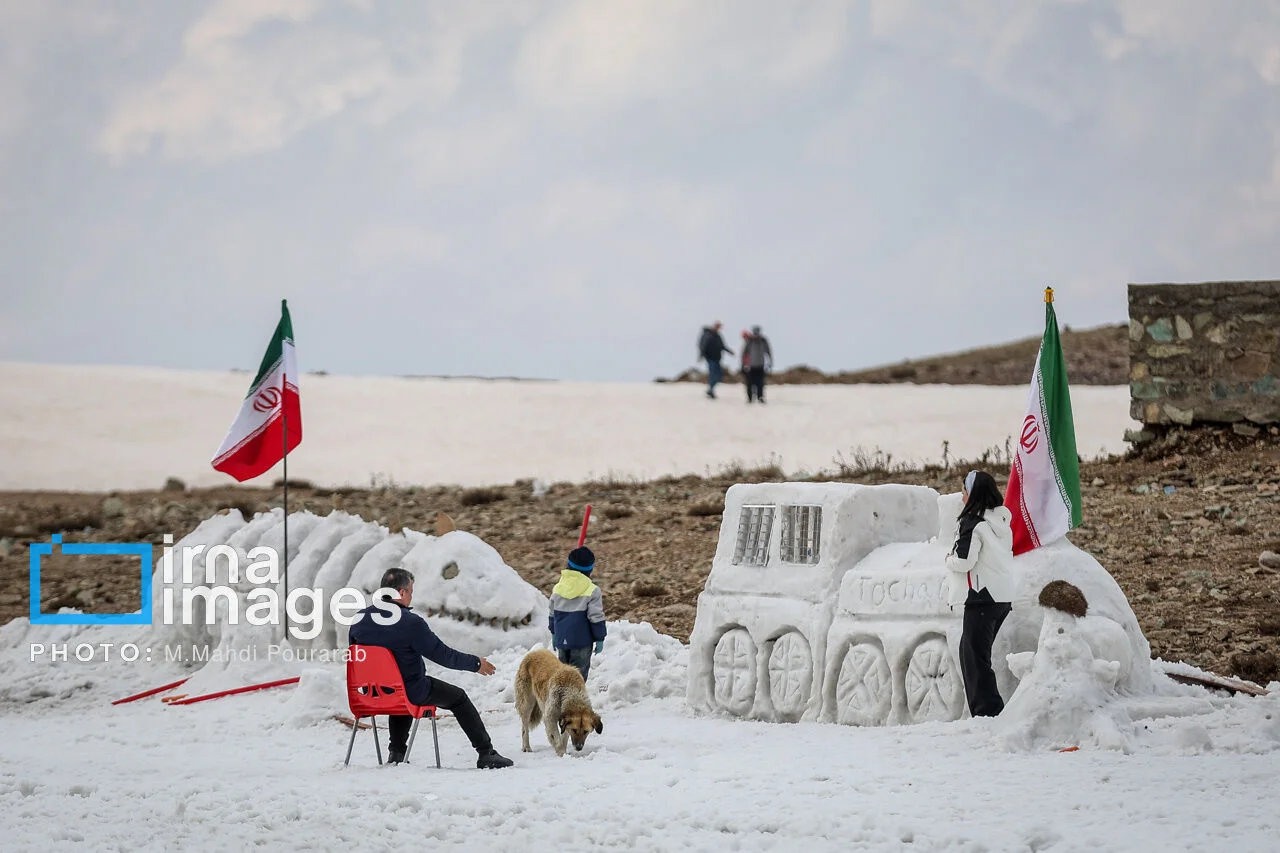
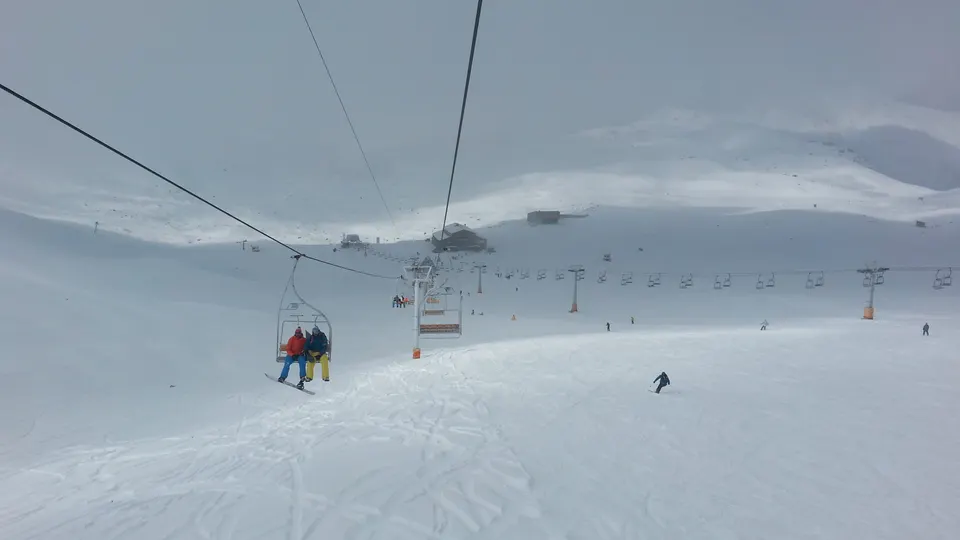
On a bright Friday at Station 7 of the Tochal International Ski Resort, families gathered for the annual snowman festival, a rare moment of collective joy in the mountains north of Tehran. Yet, as the snow was being sculpted into temporary figures, the financial markets were carving a different path. By midday Saturday, the US Dollar rose from 174,300 to 175,300 Toman, a 0.6% increase that reflects the persistent underlying heat of inflation. This contrast is a perfect metaphor for the Iranian economy: while the public seeks moments of normalcy, the 'purchasing power' of the currency continues to evaporate like snow under a June sun.
Understanding this dynamic requires looking at 'market sentiment.' When people are at Tochal, they are momentarily detached from the screen, but the market never sleeps. The slight uptick in the USD buy/sell spread suggests that despite the weekend lull, liquidity is seeking the safety of hard currency. For the average investor, this means that even 'quiet' days are not truly silent; they are periods of consolidation where the next move is being priced in based on regional tensions and global shifts.
The Weight of History and the Risk Premium
While we look at our local tickers, the world is marking the 82nd anniversary of D-Day, honoring the veterans who shaped the modern geopolitical order. This might seem distant from the price of an Emami coin, which fell 1.4% to 181,000,000 Toman today, but history and heritage are the bedrock of 'institutional trust.' In Iran, we often pay a 'risk premium'—an extra cost added to goods and currencies because of the uncertainty of the future. The recent reports of strikes on radar sites in Goruk and Qeshm Island serve as a stark reminder of why that premium remains high.
When geopolitical events occur, such as those reported by the US military, the market reacts by 'de-risking.' For many, this means selling volatile assets like gold coins (hence the 1.4% drop in Emami) and moving into the most liquid asset available: physical USD. Even the passing of cultural figures like the British actor Anthony Head reminds us that the world is in a constant state of flux. Investors who succeed in this environment are those who don't just react to the headlines, but understand the long-term 'trend lines' of regional stability.

The Arthur Hayes Lesson: Don't Get Dumped On
In the world of digital assets, the story of the day is the 20% plunge in Worldcoin (WLD). Arthur Hayes, the co-founder of BitMEX and a major 'whale' in the industry, reportedly dumped his tokens just a day after signaling he would hold them. This is a classic lesson in 'liquidity' and 'market manipulation.' For Iranian crypto enthusiasts using USDT (currently at 174,857 Toman), this serves as a warning: the words of influencers often serve their own exit strategies. When a whale dumps, the retail investor is often the one left holding the bag.
Bitcoin remains relatively stable at $61,242, but the WLD incident highlights the fragility of altcoins. In a market where a single person's trade can wipe out 20% of a token's value, diversification is not just a suggestion; it is a survival tactic. As you navigate the midday market, remember that whether it's a snowman at Tochal or a 'hot' new crypto token, anything built on a shaky foundation will eventually melt. Stay focused on assets with proven utility and avoid the hype of those who change their minds as fast as the weather.
Concept Diagram
Watch
Morning News NOW Full Episode – June 5
NBC News
Frequently Asked Questions
Why did the Emami coin price drop while the USD rose?
What can we learn from Arthur Hayes dumping WLD tokens?
How do regional events like radar strikes affect the Toman?
Is the current USD rise at 175,300 Toman a long-term trend?
Understanding the Geopolitical Risk Premium
In the complex world of global finance, investors constantly assess a myriad of factors before committing capital. Among the most potent and often overlooked is the Geopolitical Risk Premium. This concept refers to the additional return investors demand for holding assets in countries or regions perceived to have higher political instability, conflict, or policy uncertainty. It's essentially a compensation for the increased likelihood of adverse events – such as wars, sanctions, sudden policy shifts, or civil unrest – that could negatively impact their investments.
The mechanism behind the geopolitical risk premium is straightforward: when political risks rise, the perceived safety of investments within that region diminishes. Foreign investors may withdraw capital, or demand significantly higher interest rates on loans or bonds to offset the heightened risk of default or expropriation. Domestic investors might also seek safer havens abroad, leading to capital flight. This increased demand for compensation or flight of capital puts downward pressure on asset prices, weakens the local currency, and can inflate borrowing costs for governments and businesses alike.
The consequences of a significant geopolitical risk premium are far-reaching. For an economy, it can manifest as persistent currency depreciation, high inflation, and a reluctance of foreign direct investment. Local markets become more volatile, and businesses face higher operational costs due to uncertainty and reduced access to international capital. In such environments, citizens and investors often turn to alternative assets like gold or cryptocurrencies, not just for speculative gains but also as a hedge against local economic instability and a depreciating national currency, even if these alternatives carry their own significant risks.
The "heat" of markets, as suggested by the headline, is often a direct reflection of this premium at play. In regions experiencing ongoing geopolitical tensions, like the implied context of Iran with its Rial inflation and specific local market dynamics, the geopolitical risk premium becomes a dominant force. It shapes exchange rates, influences investment decisions, and ultimately dictates the economic climate, making it a crucial concept for anyone trying to understand market movements beyond simple supply and demand.