The Risk Premium Paradox: Why Markets Cool Down When Rhetoric Heats Up
پارادوکس حقالعمل ریسک؛ چرا همزمان با داغ شدن تیترها، بازار تهران سرد میشود؟
As Iranian officials mark the anniversary of the 12-Day War with defiant rhetoric, the market is moving in the opposite direction, with the Toman strengthening and gold prices dipping. We break down the 'Risk Premium' concept to explain why investors often sell the news during high-profile geopolitical events.
At time of publishing
USD
168,900
Toman
Gold 18K
17.26M
Toman / gram
Bitcoin
$64,311
US Dollar
Tether
169,271
Toman
The Anniversary Effect and Market Reality
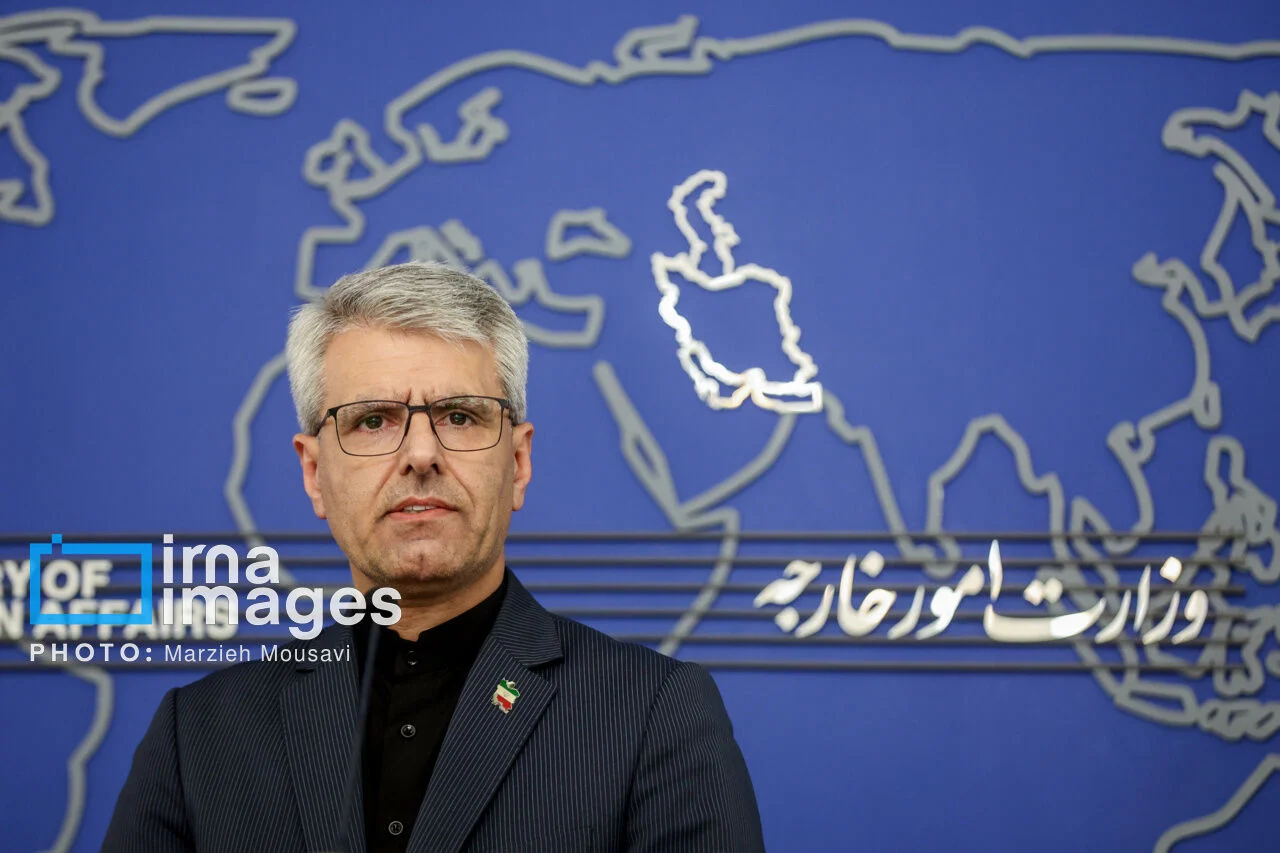
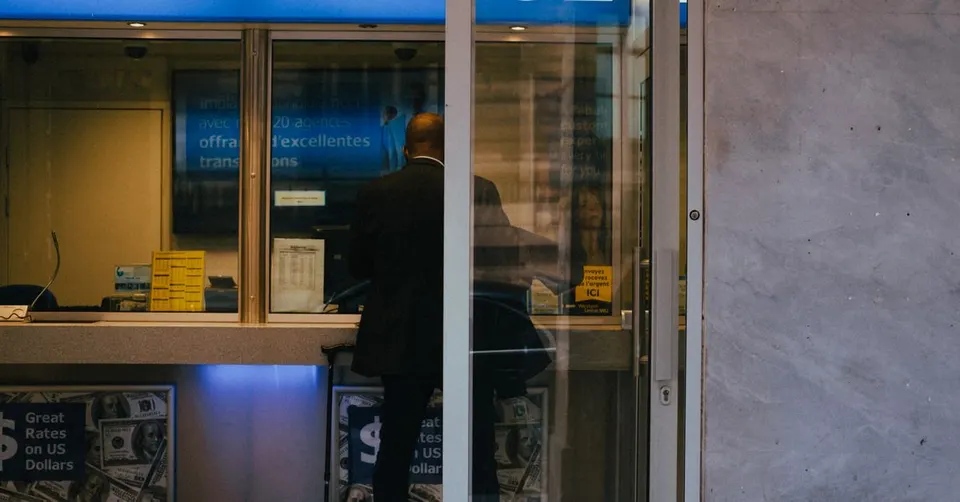
On this Sunday, June 14, 2026, we find ourselves at a curious crossroads. Foreign Ministry spokesperson Esmaeil Baqaei has been vocal about the anniversary of the '12-Day War,' emphasizing Iran’s resistance against US-backed aggression. In the world of diplomacy, this is a moment of high-octane rhetoric. Yet, if you look at the screens at the Sabzeh Meydan or the digital exchanges, the numbers tell a different story. The US Dollar has slipped from 170,300 to 168,900 Toman, a 0.8% decrease, while Emami gold coins have dropped by a more significant 1.7%, landing at 172 million Toman.
This disconnect often baffles the casual observer. Why would the currency strengthen when the news cycle is dominated by talk of past conflicts and ongoing resistance? The answer lies in a concept every Iranian investor should master: the 'Risk Premium.' Markets are essentially giant prediction machines. They don't react to what is happening today as much as they react to what they think will happen tomorrow. When a geopolitical anniversary approaches, the 'fear' is often already priced into the exchange rate days or weeks in advance. Once the day arrives and no new escalation occurs, that built-in fear—the premium—begins to evaporate.
Understanding the 'Risk Premium' Drain
Think of the Risk Premium as a 'fear tax' that you pay when you buy USD or gold during times of uncertainty. When the atmosphere is tense, sellers demand more because they aren't sure if they can replace their assets cheaply, and buyers are willing to pay a premium for the perceived safety of a hard asset. However, markets cannot sustain a high-fever pitch forever. As we see today, even with defiant statements from the Foreign Ministry, the lack of a fresh, tangible conflict causes the market to 'exhale.' This is what traders call 'selling the news.'
This phenomenon isn't unique to Iran. Across the globe, we see similar sentiment shifts. For instance, while the US celebrates the New York Knicks' historic NBA championship win or monitors kinetic strikes against gang leaders in Venezuela, these events occupy the collective consciousness without necessarily shifting the fundamental economic needle. In Iran, the return of over 27,000 Hajj pilgrims via Iran Air signifies a return to domestic normalcy, which often acts as a stabilizing psychological factor for the local market, outweighing the impact of historical commemorations.

The Long-Term View: Inflation Hedges vs. Daily Noise
For the average investor in Tehran, today’s 0.8% dip in the Dollar or the 0.9% drop in 18k gold (now at 17,257,721 Toman per gram) shouldn't be a cause for panic or irrational exuberance. It is essential to distinguish between daily volatility and the long-term role of an 'inflation hedge.' An inflation hedge is an asset—like gold or Bitcoin—that is expected to maintain or increase its value when the purchasing power of currency drops. Bitcoin, currently trading at $64,311, serves this role globally, much like gold does locally.
When you see a price drop during a week of heavy political headlines, it is often a sign that the market was 'overbought' on rumors. The smart money understands that while rhetoric remains constant, the actual supply and demand for currency are influenced by trade flows and central bank liquidity. Today's cooling off is a reminder that the loudest headlines don't always lead to the highest prices. In fact, they often mark the temporary ceiling of a rally, providing a moment of reflection for those looking to enter the market without paying the maximum 'fear tax.'

Frequently Asked Questions
What exactly is a 'Risk Premium' in the Iranian currency market?
Why did Emami coins drop more than the USD today?
Is a price dip during a political anniversary a good time to buy?
How do global events like the NBA finals affect the Iranian market?
Understanding the Risk Premium: How Geopolitics Shapes Market Expectations
The concept of a Risk Premium is fundamental to finance, representing the additional return an investor demands for taking on a riskier asset compared to a risk-free one. Imagine you can earn a guaranteed 2% on a government bond. If you're considering investing in a volatile stock market or an asset in an unstable region, you'd expect to earn more than 2% to compensate you for the extra uncertainty and potential for loss. That additional expected return is the risk premium. It's essentially the market's price for bearing risk.
Geopolitical events and rhetoric play a significant role in influencing this premium. When international tensions escalate, political instability rises, or economic sanctions loom, the perceived risk associated with investments in affected regions or sectors increases dramatically. Investors become more apprehensive about the future cash flows of businesses or the stability of a currency. This heightened uncertainty translates into a higher demand for a risk premium – they won't invest unless they anticipate a substantially larger return to offset the increased peril.
This demand for a higher risk premium often explains why markets "cool down" or asset prices fall when rhetoric heats up. For an asset to offer a higher future expected return (to meet the increased risk premium demand), its current price must decrease. For instance, if investors demand a 10% return instead of 5% on an asset, and its future earnings are fixed, its present value (and thus its market price) must fall. This dynamic is particularly evident in economies like Iran, where factors such as the Toman exchange rate and gold prices are acutely sensitive to geopolitical developments and market sentiment. Gold, often seen as an inflation hedge, can still see its price fluctuate significantly as perceived geopolitical risk alters the demand for various asset classes.