Beyond the Headlines: How FIFA Complaints, Political Talks, and Bitcoin's Code Shape Your Financial Future
فراتر از تیترها: چگونه شکایت فیفا، مذاکرات سیاسی و کد بیتکوین آینده مالی شما را شکل میدهند
From international sports diplomacy to crucial domestic political negotiations and the fundamental economics of digital currencies, the world's events are more interconnected than ever. This guide explores how seemingly disparate news, like Iran's complaint to FIFA or India's oil strategy, can subtly yet significantly influence market sentiment, local prices, and your investment decisions. Understand the invisible threads linking global developments to your financial well-being with Arzbin.
At time of publishing
USD
155,700
Toman
Gold 18K
15.73M
Toman / gram
Bitcoin
$62,390
US Dollar
Tether
161,416
Toman
The Ripple Effect of Global Relations: From FIFA to Domestic Confidence
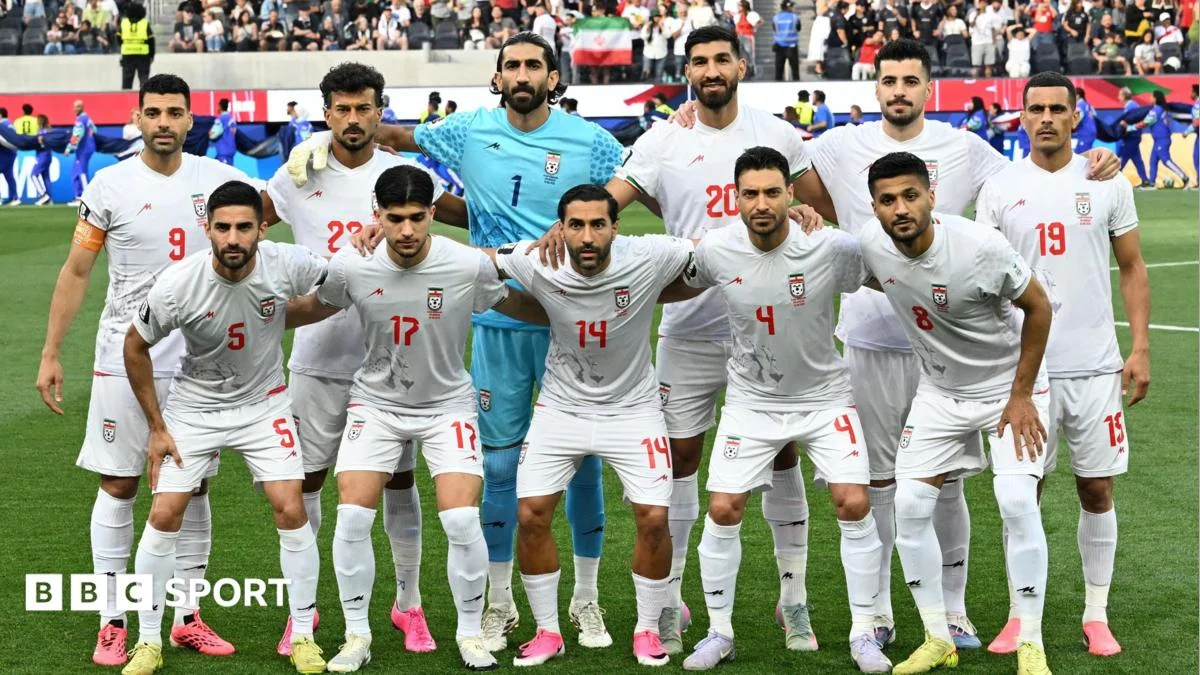
Iran is lodging an official complaint with FIFA regarding travel restrictions for the 2026 World Cup, specifically the denial of their request to fly to the United States two days before a match. This isn't just a sports story; it reflects ongoing international relations and diplomatic challenges, highlighting how global events can transcend their immediate context to touch on broader national sentiment and international standing. Simultaneously, President Masoud Pezeshkian has welcomed the Leader’s approval to begin negotiations aimed at securing benefits for the nation, with a commitment from the Supreme National Security Council (SNSC) to protect Iranian rights. This domestic political development is crucial, signaling a potential path forward for national interests.
International sports events, while seemingly apolitical, often become stages for broader geopolitical tensions. Travel restrictions for national teams underscore the complexities of global interactions, which can indirectly impact national sentiment and, by extension, economic confidence. When a nation faces such hurdles, it can influence how both domestic and international investors perceive its stability and future prospects. On the domestic front, President Pezeshkian's announcement regarding negotiations is a vital development. Such high-level political endorsements for engagement and safeguarding national interests can signal potential shifts in policy or a renewed focus on economic stability, potentially impacting investor optimism and the broader market mood. While the USD/IRR exchange rate remained stable today at 155,700 Toman, and the Emami coin saw no change at 160,500,000 Toman, these underlying currents of international relations and domestic political moves are constantly shaping the environment for future price movements.
The interplay between international events and domestic political signals is a powerful, albeit often subtle, driver of market sentiment. When a nation is navigating complex global challenges, be it in sports or diplomacy, it creates an atmosphere that can either foster uncertainty or, conversely, signal resilience and strategic maneuvering. President Pezeshkian's emphasis on "securing benefits for the nation" and "protecting the rights of Iranians" through negotiation is a message intended to reassure and rally support, which can have positive implications for long-term confidence. Investors, both large institutions and individual Arzbin users, pay close attention to such signals as they evaluate the risk-reward profile of assets, from real estate to gold and local currency. These non-financial headlines lay the groundwork for how financial markets will react in the days and weeks to come, even if today's immediate price changes for major assets like the dollar and the Emami coin were flat.
Global Governance and its Unseen Economic Threads
In a seemingly unrelated development, a union in England and Wales has warned that excessive probation workloads are putting the public at risk, declaring no confidence in probation service managers. This report, while focused on public services in the UK, highlights challenges within the governance and operational capacity of a major global economy. Such issues, though geographically distant, contribute to the broader narrative of global economic health and stability.
While this news might seem far removed from the Iranian market, it serves as a crucial indicator of the health and stability of developed economies. Problems in public services, even in countries like the UK, can reflect broader economic pressures, budget constraints, or governance issues. These factors, in turn, can influence investor confidence in the global economy. When major economies face internal struggles, it can lead to a general risk-off sentiment globally, causing capital to flow away from riskier assets or emerging markets. For Arzbin users, understanding such global undercurrents is vital because a slowdown or instability in developed nations can reduce demand for commodities, impact trade, and ultimately affect the Iranian economy and the value of local assets.
The global financial system is a complex web, and the health of its largest nodes impacts everyone. A strong, stable global economy, underpinned by robust governance and public services in developed nations, creates an environment conducive to international trade, investment, and growth. Conversely, signs of strain, like those reported in the UK's probation services, contribute to a narrative of potential global fragility. This narrative, when combined with other geopolitical or economic uncertainties, can collectively influence the movement of large sums of capital, affecting everything from global oil prices to the perceived safety of various currencies and assets. Even if indirectly, these stories contribute to the overall economic climate that shapes the decisions of central banks, international businesses, and ultimately, individual investors in markets like Iran.

Energy Dynamics and the Scarcity of Bitcoin
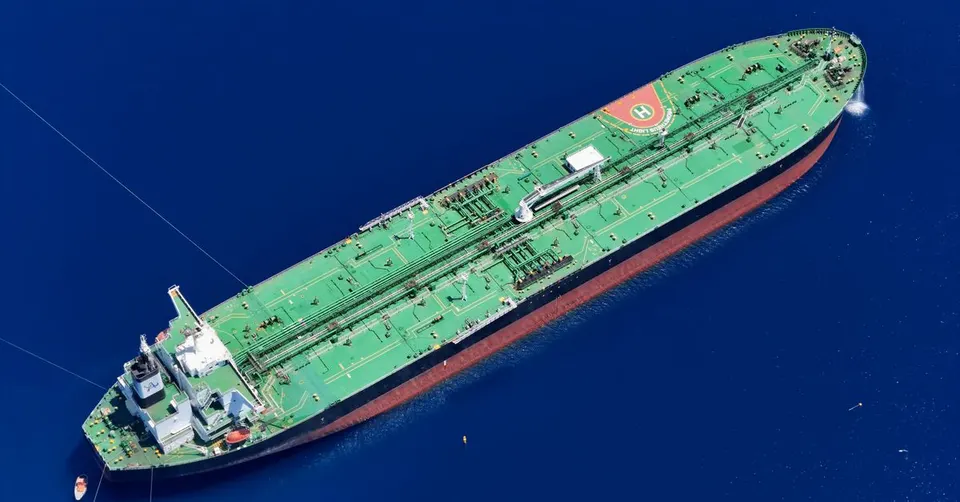
On the energy front, India is not rushing back to purchase Middle Eastern oil, despite the reopening of the Strait of Hormuz, as Indian refiners reportedly have enough crude to last them two months. This indicates a strategic and measured approach to energy procurement by one of the world's largest consumers. Meanwhile, Bitcoin, a digital asset, continues to draw attention, with discussions often revolving around its fundamental design: a maximum supply of 21 million coins, hardcoded by its creator Satoshi Nakamoto.
India's cautious stance on oil purchases from the Middle East, even after the Strait of Hormuz has reopened, is significant. It suggests that global oil demand dynamics are not solely driven by immediate supply routes but also by strategic reserves and long-term contracts. This can influence global oil prices, which directly impacts energy-exporting nations like Iran and affects the cost of goods and services domestically. Lower or stable oil prices, influenced by major consumers like India, can alleviate inflationary pressures, which is a constant concern for investors in Iran. Conversely, a robust demand could push prices higher. Today, Gold 18k/gram saw a decline of -1.6%, moving from 15,983,655 Toman to 15,732,489 Toman, while Gold ounce (USD) stood at 4,166.20 USD. These movements are often sensitive to global energy market shifts and inflation expectations.
Turning to the digital realm, Bitcoin's fixed supply cap of 21 million coins is a cornerstone of its value proposition. Unlike traditional fiat currencies, which can be printed indefinitely, Bitcoin's scarcity is absolute and verifiable. This "digital gold" characteristic is what makes it attractive as a potential inflation hedge and a store of value, especially in economies where traditional assets might be subject to higher inflation or geopolitical risks. As of today, Bitcoin trades at 62,390 USD. For Iranian investors, understanding this fundamental scarcity principle is crucial. It helps explain why many view Bitcoin as a long-term alternative investment, distinct from assets whose supply can be expanded. The finite nature of Bitcoin offers a predictable supply schedule, fostering confidence in its long-term value against a backdrop of fluctuating traditional markets and geopolitical uncertainties.
Navigating the Interconnected Financial Landscape
The stories we've explored today—from Iran's complaint to FIFA and President Pezeshkian's push for negotiations to the UK's public service challenges and India's oil strategy, alongside Bitcoin's inherent scarcity—might seem disconnected at first glance. However, each piece contributes to a larger, intricate mosaic that shapes our financial realities. International relations, domestic political stability, the health of global economies, and fundamental asset characteristics all create a complex environment. For Arzbin users, recognizing these connections is key to making informed decisions. The perceived stability of a nation, the effectiveness of its governance, and its standing on the global stage can all subtly influence investor confidence, currency strength, and the attractiveness of various assets.
In a world where information travels instantly, understanding these broad influences becomes paramount. The value of your savings, the performance of your investments, and even the daily cost of living are all, in some way, touched by these global and local dynamics. Whether you're tracking the price of the Emami coin, observing the USD/IRR exchange rate, or considering an investment in Bitcoin, remembering that every piece of news, no matter how distant it seems, adds another layer to the economic narrative. Staying informed and thinking critically about these interconnections is not just about following headlines; it's about building a robust framework for financial decision-making in an ever-changing world. This holistic view empowers you to anticipate shifts and protect your financial future.
Frequently Asked Questions
How can Iran's complaint to FIFA affect the local Iranian economy or currency?
What is the significance of President Pezeshkian's welcome for negotiations regarding national benefits?
Why is India's oil purchasing strategy important for Iranian investors, especially with the Strait of Hormuz reopening?
What does "Bitcoin's 21 million supply cap" mean, and why is it important for its value?
How do seemingly unrelated global news, like the UK probation system issue, impact my investments in Iran?
Understanding Digital Scarcity: Bitcoin's 21 Million Limit
In economics, scarcity is a fundamental principle stating that resources are limited, while human wants are unlimited. This inherent limitation is what gives value to goods and services, as people are willing to pay more for things that are rare or difficult to obtain. While we often associate scarcity with physical resources like gold, oil, or land, the advent of digital currencies like Bitcoin introduced a revolutionary concept: digital scarcity.
Bitcoin's design is unique because its creator, Satoshi Nakamoto, hard-coded a strict supply cap into its protocol: there will never be more than 21 million Bitcoins in existence. This fixed limit is enforced by cryptographic rules and a process known as 'halving,' where the reward for mining new blocks (and thus new Bitcoins) is cut in half approximately every four years. This predictable and diminishing rate of new supply, combined with the absolute cap, creates a verifiable and immutable form of scarcity in the digital realm.
This deliberate scarcity is a cornerstone of Bitcoin's value proposition, distinguishing it sharply from traditional fiat currencies, which can be printed or created by central banks at will, potentially leading to inflation and a decrease in purchasing power. By mimicking the scarcity of precious metals like gold, Bitcoin aims to serve as a reliable store of value, resistant to inflationary pressures and governmental interference. Its finite supply makes each individual Bitcoin a progressively scarcer asset as demand potentially grows over time.
Understanding digital scarcity is crucial for anyone trying to grasp the long-term economic implications of cryptocurrencies. It's not just about the technology, but about a new paradigm for value creation and preservation in an increasingly digital world. This concept challenges traditional notions of money and highlights how algorithmic rules can create economic properties previously only found in the physical world.