Hormuz Peace Deal Sparks Oil Plunge, Toman Rebound: What It Means for You
توافق صلح هرمز: سقوط نفت، جهش تومان - پیامدها برای شما چیست؟
A surprise peace deal between the US and Iran has sent shockwaves through global markets, causing oil prices to plummet and the Iranian Toman to significantly rebound. This explainer breaks down the key developments and what this détente could mean for everyday Iranians.
At time of publishing
USD
162,800
Toman
Gold 18K
17.10M
Toman / gram
Bitcoin
$65,616
US Dollar
Tether
163,030
Toman
The Hormuz Accord: A Sudden Shift in Global Energy
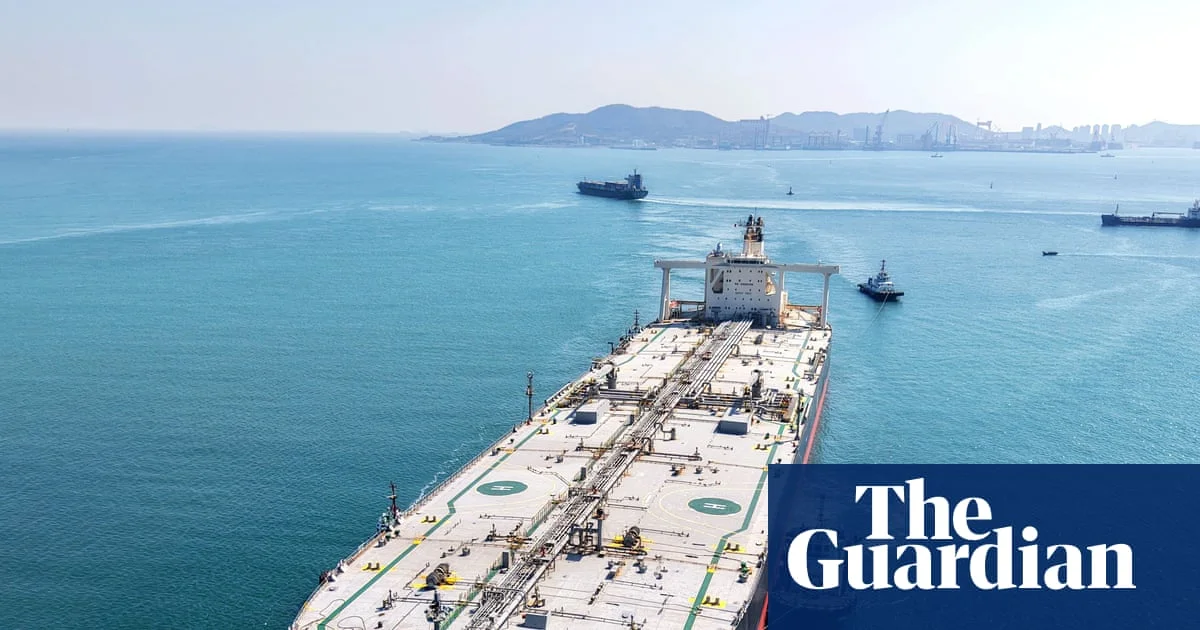
The news broke like a thunderclap: a peace deal between the United States and Iran, brokered with the help of intermediaries like Pakistan, has been announced. The immediate impact was seismic. Brent crude oil prices nosedived by 4% to below $84 a barrel as trading opened in Asia-Pacific. This dramatic fall is directly linked to the prospect of the Strait of Hormuz, a critical global oil chokepoint, reopening. For months, tensions in the region have threatened supply routes, pushing prices higher. With the promise of renewed, unimpeded flow of oil from the Gulf, the market's immediate reaction is one of relief and a price correction downwards.
Donald Trump, who appears to have been a key architect of this deal, posted a simple but impactful message: 'Let the oil flow.' This sentiment encapsulates the global economic desire for stability and the unfettered movement of energy. The deal, though details remain somewhat opaque, signals a de-escalation of hostilities that have gripped the Middle East and reverberated across global financial markets. The implications for global energy security are profound, potentially averting further price spikes and inflationary pressures that have been a constant worry for economies worldwide.
---
The Ripple Effect on the Iranian Toman and Local Markets
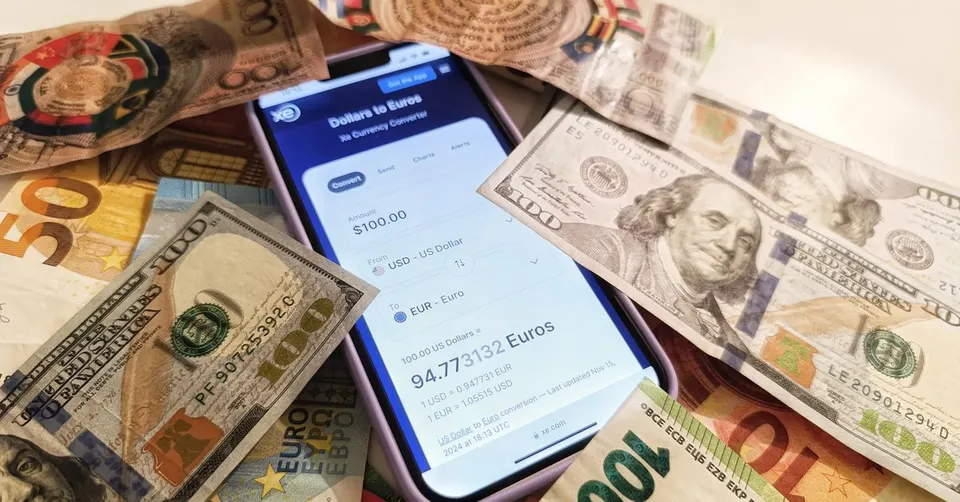
For Iranians, the news of a US-Iran peace deal translates into a direct, tangible benefit: a significant strengthening of the national currency. The Iranian Toman, which has been under immense pressure due to sanctions and regional instability, saw a sharp appreciation. The USD/IRR exchange rate, which had been trading at higher levels, plummeted by 4.7% in the 24-hour period, falling from around 170,800 to 162,800 Toman per dollar. This is not just a number on a screen; it means imported goods could become cheaper, and the purchasing power of Iranians could see a much-needed boost.
The impact extends to other local assets. Gold prices, often seen as a hedge against inflation and currency devaluation, also saw a dip. 18k gold per gram fell by 1.7%, and the Emami coin saw a 4.0% decrease. This movement in gold prices is consistent with a strengthening Toman and reduced geopolitical risk. When the currency strengthens and tensions ease, the demand for safe-haven assets like gold tends to decrease, leading to price drops. For those holding gold, this might seem like a loss, but it reflects a broader market sentiment of increased stability and confidence in the Toman's future value.
---
Why This Matters: Beyond the Headlines
This development is more than just a market fluctuation; it's a potential turning point. The renewed hope for stability in the Strait of Hormuz and the broader Middle East directly impacts Iran's economic outlook. Reduced geopolitical tensions can lead to eased sanctions, increased trade opportunities, and a more predictable environment for businesses. This can foster greater domestic and foreign investment, potentially leading to job creation and economic growth.
Furthermore, the strengthening of the Toman can have a cascading effect on inflation. A stronger currency makes imports cheaper, which can help to bring down the cost of goods and services within Iran. This is crucial for households struggling with the rising cost of living. While the long-term effects will depend on the sustained implementation and details of the peace framework, today's market movements signal a powerful wave of optimism that could reshape Iran's economic landscape.
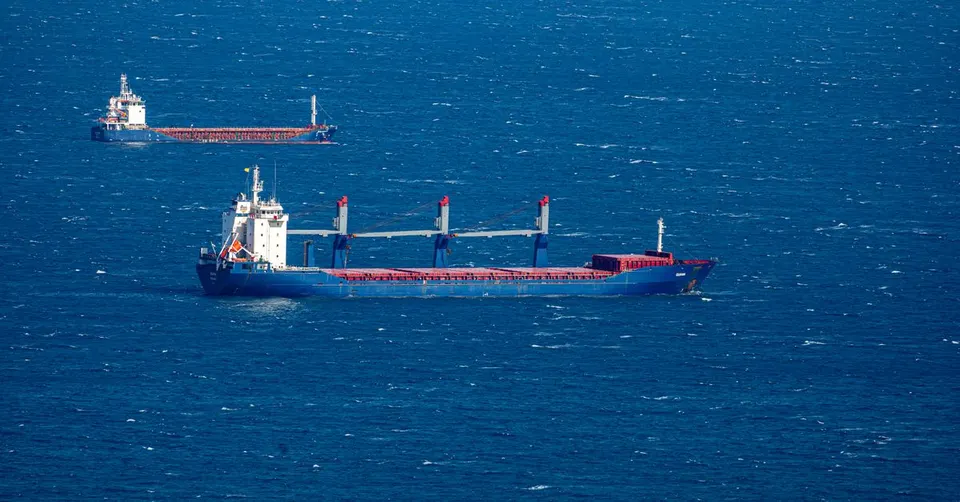
The geopolitical shifts also have implications for regional powers and global alliances. The EU leaders meeting in France are undoubtedly discussing these developments, alongside the ongoing conflict in Ukraine. Australia's Prime Minister Albanese signaling a potential extension of fuel excise cuts shows how global energy prices influence even distant economies. The Israeli defense minister's statement about remaining in seized lands, however, adds a layer of complexity, highlighting that regional stability is a fragile construct. For the average Iranian, this means watching closely how these international dynamics play out, as they directly influence the cost of living, the value of their savings, and their overall economic well-being.
Concept Diagram
Watch
DEVELOPING: Trump orders end to US blockade, reopens Strait of Hormuz amid deal with Iran
Fox News
Frequently Asked Questions
How did the US-Iran peace deal directly impact the price of USD/IRR?
Why did gold prices fall following the Hormuz peace news?
What is the Strait of Hormuz and why is its reopening so significant for oil prices?
Could the strengthening Toman lead to lower inflation in Iran?
The Geopolitical Risk Premium: Understanding Market Reactions to Global Tensions
When headlines speak of peace deals sparking an oil plunge and a currency rebound, they're illustrating the powerful concept of the Geopolitical Risk Premium (GRP). This premium is essentially an extra cost or price that investors build into assets, like commodities or national currencies, to account for political instability, conflict, or significant uncertainty in a specific region. It reflects the market's collective apprehension about potential disruptions to supply chains, trade routes, or the overall economic stability of a nation.
In the context of oil, the Strait of Hormuz is a prime example of where a GRP frequently manifests. As a vital chokepoint for a significant portion of the world's oil shipments, any heightened tension or threat of conflict in the Middle East immediately triggers fears of supply disruptions. To compensate for this perceived risk, traders and investors add a premium to oil prices, pushing them higher than what fundamental supply and demand dynamics alone might dictate. This "risk premium" acts as a buffer against potential future volatility.
Similarly, national currencies are highly susceptible to geopolitical risk. When a country is embroiled in or near conflict, or faces severe international sanctions and political uncertainty (as has often been the case with Iran), its currency tends to depreciate. Investors, fearing economic instability, capital flight, or a decline in trade, demand a discount to hold that currency. The Iranian Toman's historical volatility, for instance, has often reflected a significant geopolitical risk premium, making it weaker than its underlying economic strength might suggest in more stable times.
Conversely, a "peace deal" or a significant de-escalation of tensions acts to remove this geopolitical risk premium. When the threat of conflict diminishes, the market's fear subsides. For oil, the likelihood of supply disruptions decreases, causing the risk premium to evaporate and prices to fall back towards their fundamental value. For a currency like the Iranian Toman, renewed confidence and the prospect of improved economic stability lead investors to shed their risk aversion, allowing the currency to strengthen and rebound as the "risk discount" is lifted.
Understanding the Geopolitical Risk Premium is crucial for anyone trying to decipher global market movements. It highlights how non-economic factors—like international relations and regional stability—can profoundly influence the prices of commodities, the value of currencies, and ultimately, the broader global economic landscape, affecting everything from energy costs to international trade and investment decisions.