Oil Price Plunge: Peace Hopes and Strait of Hormuz Openings Signal Shift
سقوط قیمت نفت: امیدهای صلح و گشایش تنگه هرمز نویدبخش تغییرند
Hopes for peace in the Middle East and the potential reopening of the Strait of Hormuz are driving down oil prices significantly. This development has direct implications for global markets and could impact Iran's economic outlook, affecting everything from currency expectations to trade dynamics.
At time of publishing
USD
156,600
Toman
Gold 18K
16.43M
Toman / gram
Bitcoin
$64,985
US Dollar
Tether
157,149
Toman
Oil Prices Tumble on Peace Prospects
Global oil benchmarks, including Brent crude, have experienced a notable decline, hitting their lowest prices since early March. This downward trend is directly linked to growing optimism surrounding a potential peace framework deal aimed at ending the conflict involving the US and Israel in the region. News of impending talks on nuclear arms and sanctions relief, slated to begin this Friday following an initial agreement, has injected a significant dose of calm into an otherwise volatile market. The prospect of de-escalation and the potential for the Strait of Hormuz, a critical chokepoint for global oil transport, to reopen freely is a powerful sedative for oil prices.
The immediate market reaction underscores how sensitive oil prices are to geopolitical stability. A reduction in perceived risk in the Middle East, a region that supplies a substantial portion of the world's oil, naturally leads to lower prices. Traders are factoring in the possibility of increased supply and reduced shipping costs, which directly translates to a lower cost of crude. This is a welcome development for energy-importing nations, potentially easing inflationary pressures and providing a much-needed break from recent energy cost spikes.
---
Why This Matters for Iran and Regional Markets
For Iran, the implications of falling oil prices are multifaceted. While a global peace could eventually lead to sanctions relief and open new avenues for trade and investment, the immediate drop in oil revenue could present a short-term challenge. Oil exports are a critical source of income for the Iranian government, and sustained lower prices could strain national budgets. However, the same peace prospects that are lowering oil prices might also pave the way for a more stable economic environment, potentially boosting confidence in the Iranian Toman and influencing its exchange rate against major foreign currencies.
The potential reopening of the Strait of Hormuz is particularly significant. While the news suggests a de-escalation of conflict, the operational status of this vital waterway has always been a key factor in regional stability and global energy security. Any perceived threat to the Strait has historically sent oil prices soaring and increased shipping insurance premiums. Conversely, its assured openness can lead to more predictable trade flows and reduce the risk premium embedded in oil prices. This could translate to lower import costs for goods entering Iran and a more stable environment for Iranian businesses engaged in international trade.
---
The Bigger Picture: Global Energy and Economic Ripples
The impact of these developments extends far beyond the immediate region. China, a major consumer of oil, is already seeing its gasoline car market crash as fuel prices surge due to Middle East tensions. A sustained drop in oil prices could alleviate some of that pressure, potentially boosting demand for traditional vehicles and influencing the sales mix between gasoline and electric vehicles. This shift in demand dynamics in a market as large as China's can have significant ripple effects across the global automotive and energy sectors.
Furthermore, the global search for energy security and diversification continues. While falling oil prices might seem counterintuitive to investing in alternative energy sources, the underlying trend of rising global energy demand and climate concerns remains. Technologies like AI are also playing a role, with innovations in energy efficiency and exploration potentially reshaping the energy landscape. For investors, the current market presents a complex interplay of geopolitical risk, energy supply dynamics, and the ongoing transition towards cleaner energy, all influenced by the macroeconomic environment and central bank policies.

This evolving situation highlights the interconnectedness of global politics, energy markets, and economic stability. As peace prospects brighten and critical trade routes potentially normalize, the financial landscape continues to shift, offering both challenges and opportunities for economies like Iran's.
Frequently Asked Questions
How do hopes for peace in the Middle East directly affect oil prices?
What is the significance of the Strait of Hormuz for global oil markets?
What are the potential economic impacts of falling oil prices on Iran?
How can events like these influence the Iranian Toman?
The Geopolitical Significance of the Strait of Hormuz in Global Oil Markets
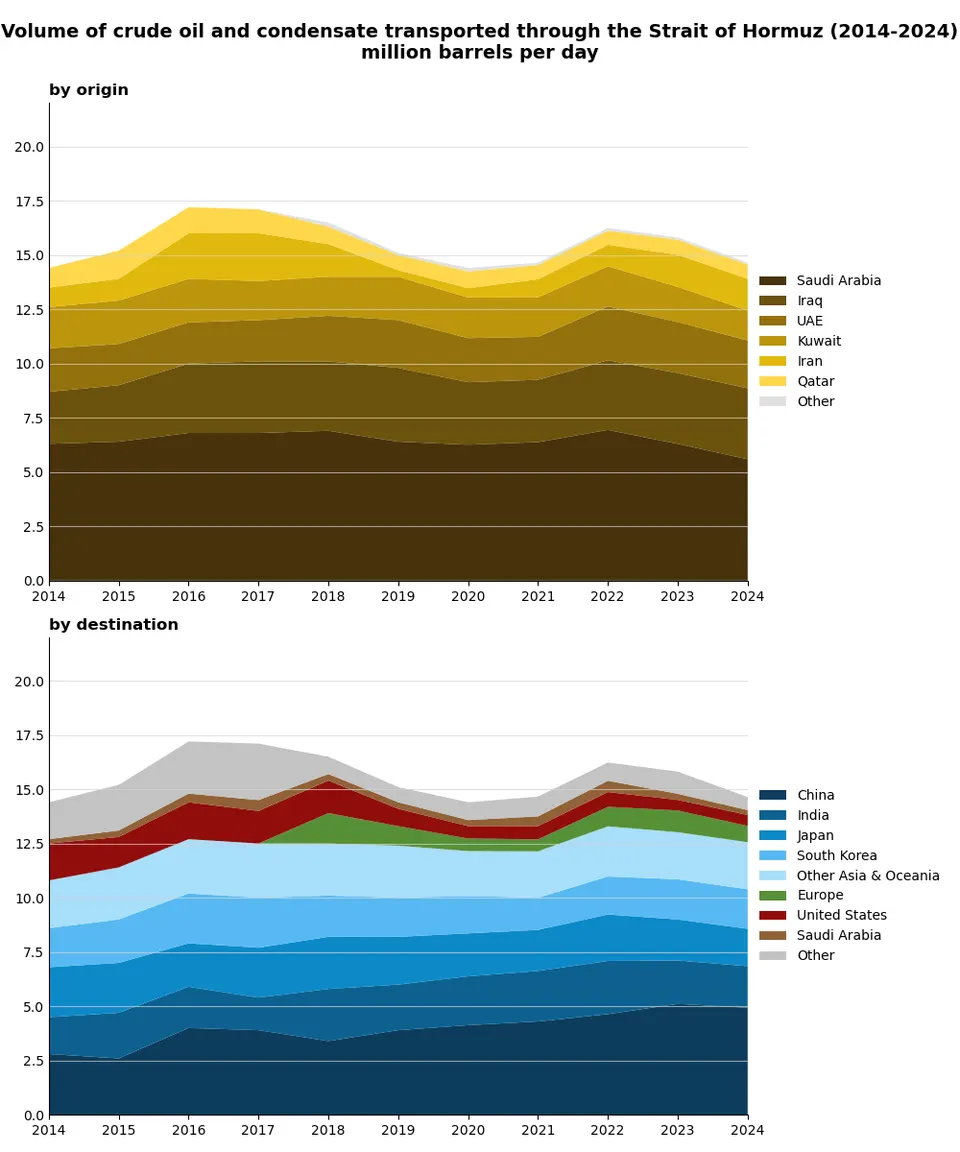
The Strait of Hormuz is a narrow, strategically vital waterway connecting the Persian Gulf to the Gulf of Oman and the open ocean. It is arguably the most critical oil transit chokepoint in the world, facilitating the passage of roughly one-fifth of the world's total petroleum consumption and a significant portion of its liquefied natural gas (LNG). Countries like Saudi Arabia, Iran, the UAE, Kuwait, Iraq, and Qatar rely heavily on this strait for their energy exports, making its stability paramount for global energy security.
Its status as a chokepoint means that any disruption or perceived threat to navigation through the Strait of Hormuz can send immediate shockwaves through international energy markets. Geopolitical tensions, military incidents, or even political rhetoric involving the countries bordering the Strait (especially Iran, which controls its northern coast) can trigger anxieties over supply disruptions. This uncertainty often translates directly into higher crude oil prices, as traders price in the increased risk of supply shortages.
Conversely, as suggested by the headline's mention of "peace hopes" and "sanctions relief," a de-escalation of tensions or improved diplomatic relations can have the opposite effect. Reduced geopolitical risk in the region lessens the likelihood of supply interruptions, potentially leading to a decrease in the risk premium embedded in oil prices. For instance, the prospect of increased oil exports from Iran, possibly due to sanctions relief, would signal a greater global supply, which typically puts downward pressure on prices.
Understanding the Strait of Hormuz's role is crucial for anyone following global economics and geopolitics. It's a stark reminder of how geography, international relations, and energy markets are inextricably linked, with events in a single, relatively small waterway capable of influencing economic stability worldwide.