Beyond Borders: How Pakistan's LNG Bill & Hormuz Tensions Ripple Through Your Wallet
فراتر از مرزها: چگونه قبض LNG پاکستان و تنشهای هرمز بر کیف پول شما تأثیر میگذارد
Global energy markets are in flux, with Pakistan paying a premium for urgent LNG and the Strait of Hormuz seeing unexpected shifts. These seemingly distant events, coupled with geopolitical talks and defense spending, create a complex web that directly influences oil prices, the dollar, gold, and even your crypto holdings here in Iran.
At time of publishing
USD
170,750
Toman
Gold 18K
16.60M
Toman / gram
Bitcoin
$59,193
US Dollar
Tether
170,872
Toman
The Global Energy Ripple Effect: Why Pakistan's LNG Bill Matters to You
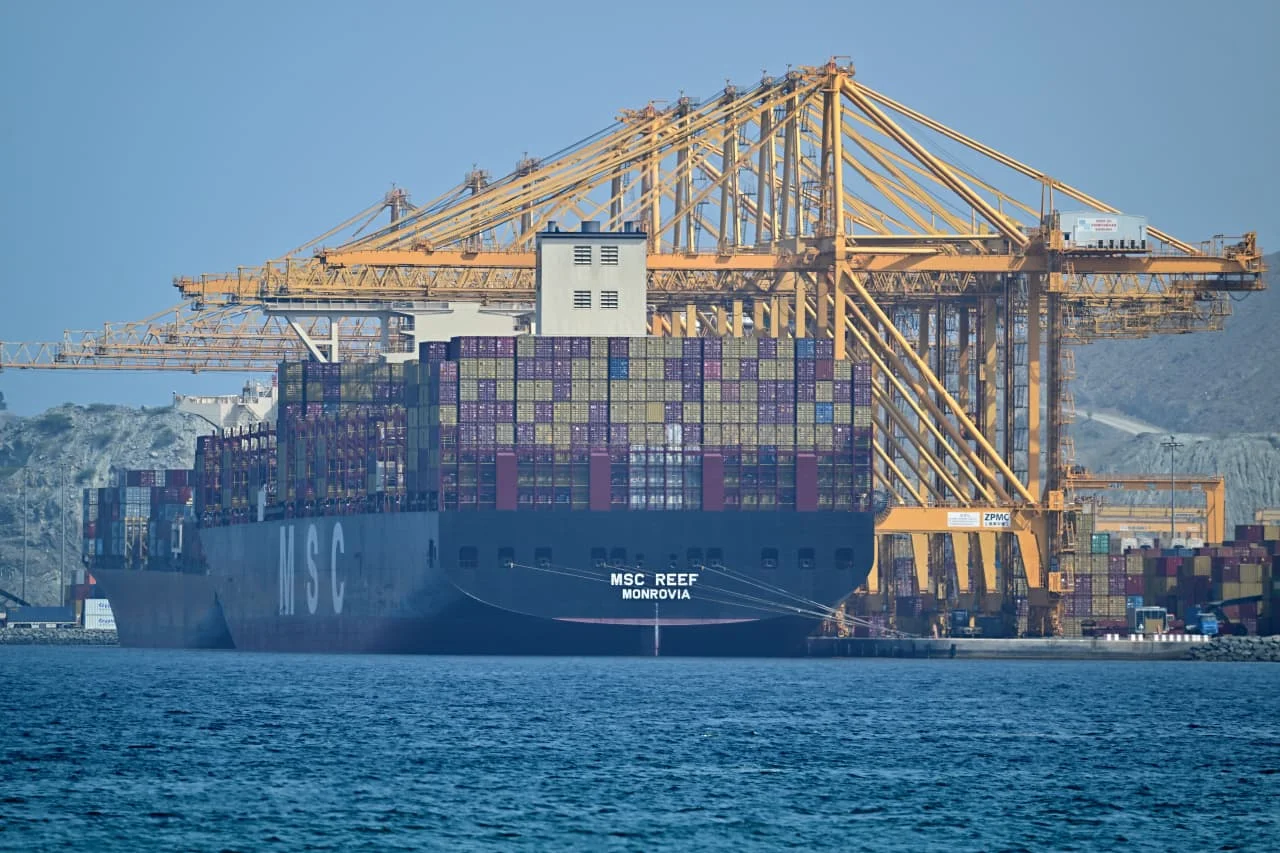
Imagine a neighbor desperately needing gas for their home, willing to pay extra because winter is coming and supply lines are tight. That's essentially what's happening with Pakistan and its recent urgent liquefied natural gas (LNG) cargo purchase. News from OilPrice indicates Pakistan LNG Ltd. paid a premium of around $1 per million British thermal units above regional spot market prices, with the cargo costing $16.74 per mmBtu. This isn't just a local transaction; it highlights persistent disruptions in LNG flows out of the Persian Gulf, even amidst diplomatic efforts to stabilize the region. When a major buyer in a key region pays a premium for essential energy, it signals underlying tightness in global supply, pushing up the baseline cost for everyone.
This premium payment for LNG has a direct, albeit indirect, effect on energy prices worldwide. Higher demand and constrained supply in one part of the world inevitably translate into increased costs globally. For the average Iranian, this means that while direct imports of LNG might not be a daily concern, the overall sentiment in global energy markets – driven by such premiums and supply anxieties – exerts upward pressure on oil prices, which in turn influences local fuel costs, transportation, and manufacturing. This creates inflationary pressure, eroding the purchasing power of your Toman and making everyday goods more expensive. The stability of energy supply, even far from our borders, is a cornerstone of economic predictability.
Hormuz, Oil Prices, and Geopolitical Tensions: A Delicate Balance
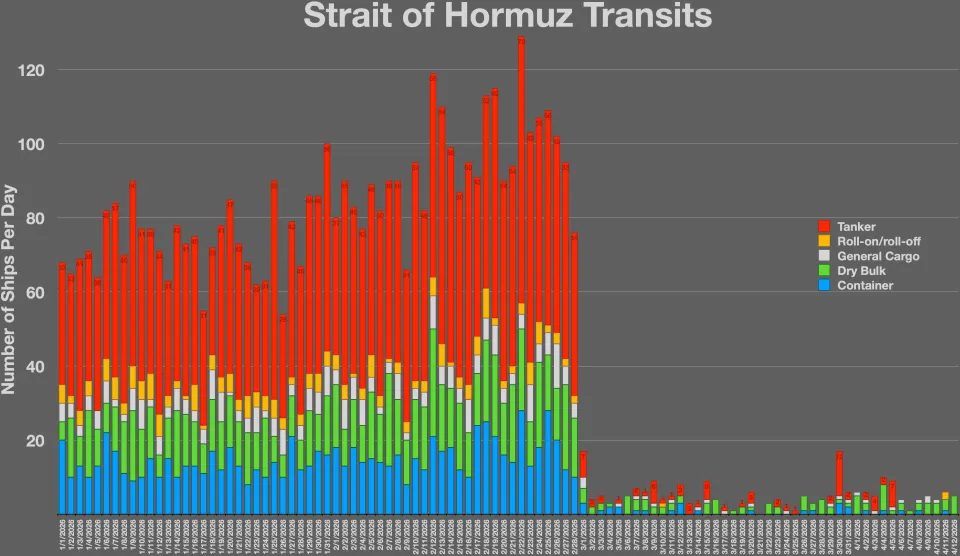
While Pakistan grapples with LNG costs, another crucial energy artery, the Strait of Hormuz, is showing signs of faster-than-expected reopening. Morgan Stanley oil analysts have noted this development, subsequently cutting their oil-price targets for this year and next. The Strait of Hormuz is one of the world's most critical chokepoints for oil transit, and its status has profound implications for global crude prices. A smoother, more predictable flow of oil through this strait generally leads to lower perceived supply risk and, consequently, lower oil prices. This news, on its own, would typically suggest a calming effect on the energy market.
However, the geopolitical landscape remains complex. Simultaneously, we're seeing conflicting signals regarding U.S. and Iran talks in Doha. While President Trump claimed direct talks would occur, Iranian officials contradicted this, stating their representatives would not speak directly. These mixed messages, reported by NYT World, introduce an element of uncertainty. The perceived stability of the Persian Gulf region, influenced by such diplomatic developments (or lack thereof), can quickly override market optimism about the Strait of Hormuz. For Iranians, this means that even if global oil prices dip due to better transit, local prices and the broader economy remain highly sensitive to regional geopolitical tensions and the ongoing dialogue (or lack thereof) with major powers. Such uncertainty can fuel demand for safe-haven assets and put pressure on the Toman, which today saw the USD rise slightly from 170,450 to 170,750 (+0.2%).
Global Risk, Defense Spending, and the Crypto Landscape
Far from the Persian Gulf, global geopolitical anxieties are also manifesting in increased defense spending. The UK's Labour Party leader, Keir Starmer, is set to unveil a long-delayed defense investment plan, amidst criticism that it's "too little, too late." As reported by The Guardian, this plan, though modest compared to calls for 3% of GDP, signals a broader trend among major economies to bolster their military capabilities in a world perceived as increasingly unstable. Such developments, while seemingly distant, contribute to a global risk-off sentiment. Investors, sensing heightened international tensions, often seek refuge in traditional safe-haven assets.
This global mood of caution directly impacts markets accessible to Iranian investors. Gold, for instance, often benefits from such uncertainty. Today, the Emami coin rose from 169,000,000 to 170,000,000 Toman (+0.6%), and a gram of 18k gold held steady at 16,601,412 Toman, with the gold ounce valued at $4,015.80. This sustained strength in gold reflects its enduring appeal as a hedge against inflation and geopolitical risk. Cryptocurrencies, on the other hand, often behave as risk-on assets. While Bitcoin (currently 59,193 USD) and Ethereum (1,580.50 USD) are influenced by their own market dynamics, a general global atmosphere of uncertainty or increased regulatory scrutiny can temper investor enthusiasm. Even seemingly unrelated international news, such as the ongoing police investigations in Thailand (index 7) that the planner categorized as crypto-related, can contribute to a broader atmosphere of caution or risk aversion in global markets. While these events don't directly dictate Bitcoin's price, they add to the complex tapestry of factors that influence overall risk appetite, which in turn affects how investors view volatile assets like cryptocurrencies and their local Toman value (USDT is 170,872 Toman today).
Ultimately, the interconnectedness of global markets means that events in distant lands, from energy procurement in Pakistan to defense plans in the UK and diplomatic talks concerning the Strait of Hormuz, create a cascade of effects. These ripples eventually reach your investment portfolio, influencing everything from the value of your Toman savings to your gold holdings and crypto assets. Staying informed about these global dynamics is key to making sound financial decisions in a volatile world.
Concept Diagram
Frequently Asked Questions
Why does Pakistan's LNG purchase affect Iranian prices?
How do developments in the Strait of Hormuz impact oil prices and my investments?
What is the connection between global defense spending and my gold/crypto holdings?
How does diplomatic news, like the US-Iran Doha talks, affect local markets?
Does crime news in other countries really affect crypto prices?
Understanding the Geopolitical Risk Premium
When headlines speak of tensions in critical regions like the Strait of Hormuz and their impact on global energy prices, they are implicitly referring to a concept known as the Geopolitical Risk Premium. This isn't a physical cost but an invisible surcharge built into the price of commodities, particularly oil and natural gas, and sometimes even financial assets. It arises from the market's perception of increased political instability, conflict, or the potential for supply disruptions in key production or transit areas, leading traders and investors to demand a higher price to compensate for the elevated uncertainty.
The Strait of Hormuz serves as a prime example of where such a premium frequently manifests. As the world's most important oil transit chokepoint, through which a significant portion of the world's seaborne oil and liquefied natural gas (LNG) passes, any perceived threat to its navigability — whether from military exercises, political disputes, or actual incidents — immediately triggers fears of supply bottlenecks. Even the threat of disruption, without any actual halt in shipments, can cause this premium to swell, pushing up global energy benchmarks like Brent crude and LNG spot prices.
The ripple effects of this premium extend far beyond the energy sector. Higher oil and gas prices, inflated by geopolitical risk, directly contribute to global inflation. This increased cost of energy permeates supply chains, raising the price of goods and services for consumers worldwide. For countries heavily reliant on energy imports, like Pakistan with its LNG bill, or those with economies tied to commodity exports and exposed to currency fluctuations, like Iran, the impact can be profound, affecting national budgets, exchange rates (such as the USD/IRR), and the overall cost of living. Consequently, investors often seek refuge in traditional inflation hedges like gold, or even explore alternative assets like cryptocurrencies, as a means to protect their wealth against the erosive effects of geopolitical uncertainty and inflation.