Why Drones Drive Gold: Understanding Safe Havens Amid Regional Tensions
چرا پهپادها قیمت طلا را بالا میبرند؟ درک مفهوم «دارایی امن» در میانه تنشها
As regional tensions escalate with drone strikes on US bases, Iranian markets are reacting sharply. Learn why gold and the dollar act as 'financial lifeboats' when geopolitical risks spike and how to navigate these volatile waves.
At time of publishing
USD
192,800
Toman
Gold 18K
18.69M
Toman / gram
Bitcoin
$63,905
US Dollar
Tether
192,526
Toman
The Geopolitical Spark and Market Reaction
On Saturday, July 18, 2026, the Middle East witnessed a significant escalation in military activity. Reports from state media indicated that the Iranian Army targeted US military bases in Jordan and Kuwait using one-way attack drones. Simultaneously, Kuwaiti authorities claimed that Iranian strikes hit critical utility infrastructure, including water and electricity plants. These events are not just headlines; they are immediate catalysts for market volatility. In Tehran, the response was swift: the USD rose from 190,900 to 192,800 Toman (+1.0%), and the Emami gold coin jumped from 185 million to 189 million Toman (+2.2%) in just 24 hours.
When news of conflict breaks, investors don't wait for a formal analysis. They move money based on a psychological mechanism known as "Risk-Off" sentiment. In this state, capital flees from assets perceived as risky—such as local currencies in conflict zones or emerging market stocks—and flows into "Safe Havens." For the average Iranian, this translates to a rush for physical gold and hard currency. The 2.2% jump in gold coins today reflects a collective desire to protect purchasing power against the potential for further currency devaluation or supply chain disruptions caused by regional instability.
What Actually Is a Safe Haven?
In the world of finance, a "Safe Haven" is an asset that is expected to retain or increase its value during times of market turbulence. Gold is the ultimate historical example because it has no "counterparty risk." Unlike a bank deposit or a government bond, gold does not rely on a specific institution to remain solvent. If a conflict damages a nation's infrastructure, its currency might fail, but a gram of gold remains a gram of gold anywhere in the world. Today's global gold price at $4,019.30 per ounce shows that even international investors are keeping a close eye on these regional developments.
However, the US Dollar also acts as a safe haven, which creates a unique paradox for Iranian investors. While the US is a participant in the regional conflict, the USD remains the world's primary reserve currency. When global uncertainty rises, the demand for dollars increases worldwide. In the local Iranian context, the dollar is the most liquid way to exit the Toman. This dual pressure—global demand for the dollar and local fear of the Toman—is why we see the USD/IRR rate climb even when the news involves direct confrontation with the United States.
---
The Psychology of "Risk-Off" and Bitcoin's Role
When we talk about "Risk-Off" behavior, we are describing a flight to quality. Investors prioritize the return of their capital over the return on their capital. During the current crisis, we see Bitcoin trapped in a tight range between $62,500 and $65,500. While some crypto enthusiasts call Bitcoin "Digital Gold," its behavior today suggests it is still viewed by many as a "Risk-On" asset. It hasn't seen the same aggressive spike as physical gold coins because, in a moment of potential regional war, many investors still prefer assets they can physically hold or that have centuries of proven stability.
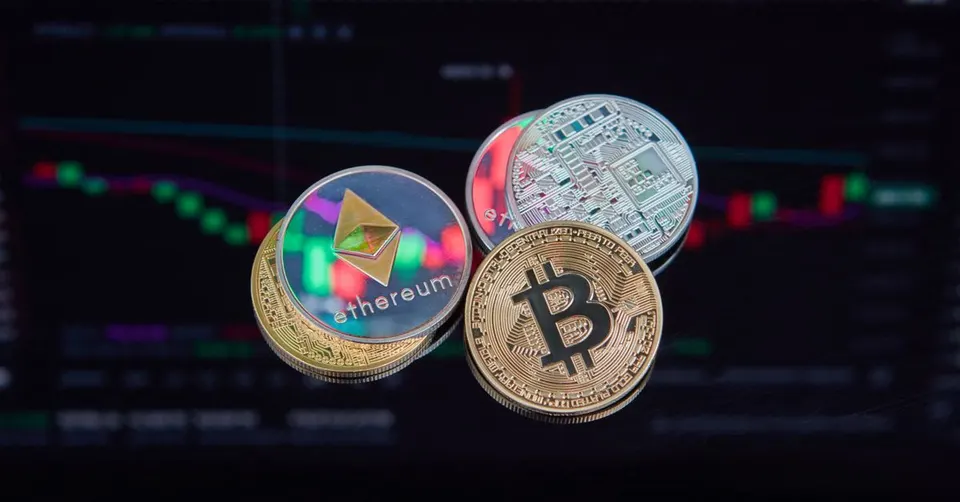
For the Iranian observer, understanding this cycle is crucial for avoiding "FOMO" (Fear Of Missing Out). Often, the biggest price spikes happen in the first few hours of a news event as panic sets in. By the time an individual investor reaches the exchange, the "risk premium" is already priced in. While diversification into gold and stablecoins like USDT (currently at 192,526 Toman) is a standard defensive strategy, it is important to recognize that these assets are currently trading at a premium due to the heightened tension reported by IRNA and other sources.
The Bigger Picture: Beyond the Immediate Crisis
While the focus is currently on drones and utility plants, global markets are also processing other signals. For instance, news of potential new North Sea oil drilling by the UK government suggests that energy security is becoming a top priority for Western nations. This could eventually impact global oil prices, which in turn affects the revenue of oil-producing nations like Iran. In a globalized economy, a drone strike in the Persian Gulf and an oil license in the North Sea are two sides of the same coin: the search for stability in an unstable world.
Ultimately, an "inflation hedge" or a "safe haven" is only as good as your timing and your strategy. For the Arzbin audience, the lesson of today's 2.2% jump in Emami coins is that markets are the fastest messengers of geopolitical reality. When the environment becomes unpredictable, the cost of "safety" goes up. As we watch the situation in Jordan and Kuwait unfold, staying informed about these financial mechanisms is the best way to ensure that your savings don't become the next casualty of regional volatility.