Strait of Hormuz Tensions: How IRGC's Bold Claims Could Ripple Through Iran's Economy
تنش در تنگه هرمز: ادعاهای جسورانه سپاه چگونه میتواند بر اقتصاد ایران تاثیر بگذارد؟
The IRGC has declared the Strait of Hormuz a 'hunting ground' for US underwater vehicles, escalating regional tensions. This rhetoric, coupled with global market shifts, could significantly impact Iran's currency, gold prices, and overall economic confidence.
At time of publishing
USD
242,800
Toman
Gold 18K
24.25M
Toman / gram
Bitcoin
$82,789
US Dollar
Tether
243,534
Toman
Escalating Rhetoric in the Strait of Hormuz
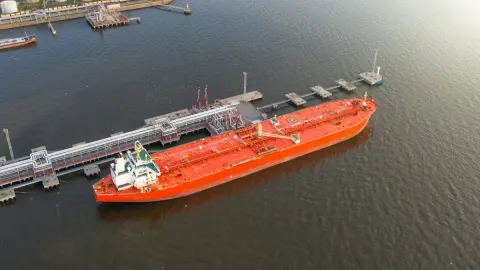
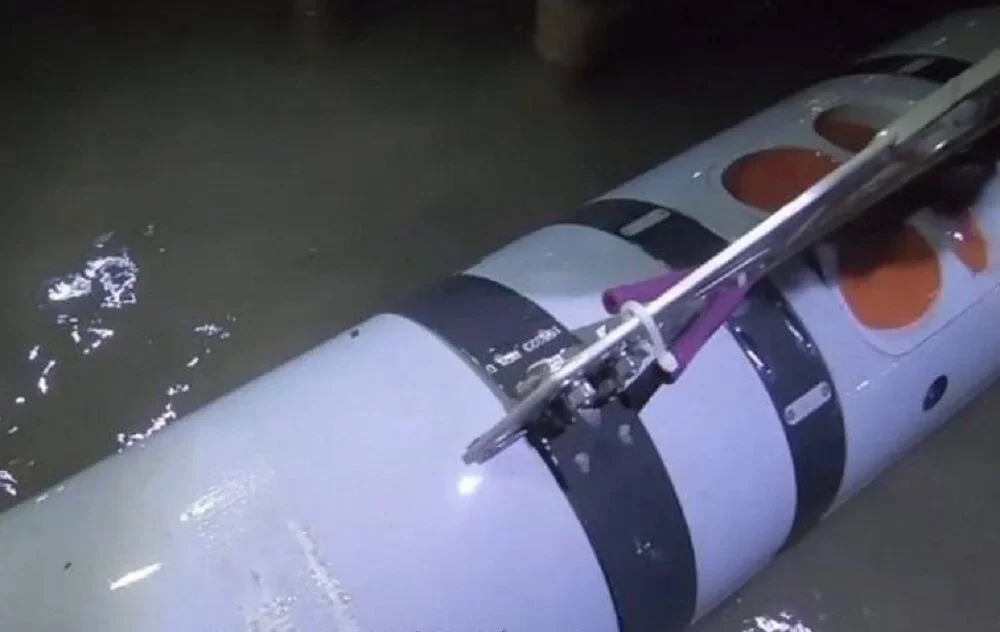
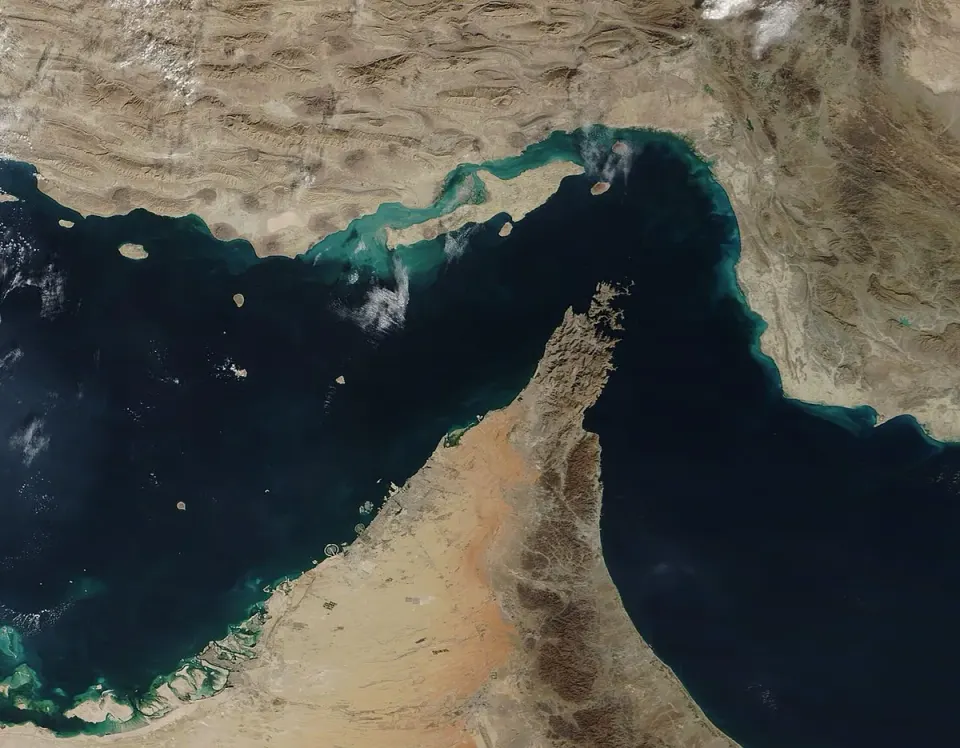
The Islamic Revolution Guards Corps (IRGC), through Brigadier General Hossein Mohebbi, has issued a stark warning: the Strait of Hormuz is no longer a free waterway but a 'hunting ground' for American underwater vehicles. This declaration, reported by IRNA, signifies a deliberate escalation in regional posturing. It's a narrative designed to project strength and control in one of the world's most critical maritime chokepoints, a crucial artery for global oil trade. While the IRGC's statement focuses on military capabilities, such bold pronouncements rarely exist in a vacuum. They often serve a dual purpose: projecting an image of defiance to adversaries and bolstering nationalistic sentiment domestically.
The implications of such assertive language extend far beyond military posturing. In regions prone to geopolitical friction, heightened rhetoric can sow seeds of uncertainty that quickly translate into economic consequences. For Iran, a nation already navigating a complex web of international sanctions and domestic economic challenges, this kind of geopolitical saber-rattling can have tangible effects. Investors, both domestic and international, tend to shy away from regions where tensions are visibly on the rise, fearing disruptions to trade, supply chains, and potentially, further sanctions.
---
Ripples Through Iranian Markets: Currency, Gold, and Confidence
The immediate question for many Iranians is how this escalation might affect their wallets. The Toman, Iran's national currency, has shown a notable upward trend in the last 24 hours, rising from 235,800 to 242,800 against the US dollar, a 3.0% increase. While this could be attributed to various factors, including market dynamics and perhaps a temporary flight to perceived safety within the local market, heightened geopolitical tensions can often undermine such gains. Increased regional instability can lead to renewed fears of sanctions or supply disruptions, which historically tend to weaken currencies like the Toman as demand for foreign currency, particularly USD, rises.
Gold and coin prices, often seen as traditional safe havens, have also seen modest increases. The 18k gold gram price rose by 1.0% to 24,250,888 Toman, and Emami coins saw a 1.7% jump to 244,500,000 Toman. These movements are typical responses to uncertainty. When geopolitical risks rise, investors often turn to tangible assets like gold to preserve their wealth. However, the sustained strength of the Toman and the gold price's sensitivity to global dollar strength mean that these assets' performance is a delicate balancing act.

Beyond specific asset classes, the most profound impact could be on overall economic confidence. The IRGC's assertive stance, while intended to project strength, can also be interpreted by the market as a sign of increasing risk. This can deter investment, slow down business activity, and make ordinary Iranians more hesitant to spend or invest, preferring to hold onto cash or seek more stable foreign assets if accessible. The perception of heightened risk in a critical transit zone like the Strait of Hormuz can create a chilling effect on the broader economy.
---
The Wider Geopolitical and Economic Picture
This development in the Strait of Hormuz doesn't occur in isolation. It's part of a broader tapestry of regional and global geopolitical dynamics. Reports of increased activity by US underwater vehicles in the strait, as claimed by the IRGC, suggest a strategic cat-and-mouse game playing out in sensitive waters. Such games are inherently destabilizing and can easily escalate, particularly in an environment already fraught with tensions between Iran and the United States, as well as its regional allies.
Globally, events like potential diesel export bans in the US, as warned by Goldman Sachs, can send ripples through energy markets, impacting prices worldwide. While this specific news is US-centric, any major disruption in global energy supply or demand can affect Iran's own energy sector and its export potential, indirectly influencing its currency and trade balance. Similarly, developments in other regions, like potential shifts in Australian monetary policy (RBA expected to hike rates), can influence global capital flows, indirectly affecting demand for assets like the US dollar and, by extension, the Toman.
The interconnectedness of global markets means that even seemingly distant events can have local consequences. The IRGC's statement about the Strait of Hormuz is a stark reminder of how geopolitical flashpoints can directly intersect with economic realities. For Iranians, understanding these connections is crucial for navigating the financial landscape, from managing savings to making investment decisions. The perceived stability of key trade routes, the rhetoric of military powers, and the overarching global economic climate all play a role in shaping the value of their Toman, the price of gold, and their overall financial well-being.
What This Means for You
As a reader of Arzbin, staying informed about these geopolitical undercurrents is as vital as tracking market data. The IRGC's declaration about the Strait of Hormuz is not just a headline; it's a potential signal of increased risk. This can manifest in several ways for the average Iranian:
1. Currency Volatility: Expect potential pressure on the Toman. While it has seen gains, geopolitical risks can reverse these trends quickly. Monitor USD/IRR closely. 2. Safe Haven Appeal: Gold and valuable coins may continue to attract interest as investors seek to hedge against uncertainty. However, their prices are also influenced by global dollar strength. 3. Economic Confidence: Heightened tensions can dampen overall economic sentiment, impacting business investment and consumer spending. This 'wait-and-see' attitude can slow down economic activity.
It's crucial to remember that these are complex systems. The IRGC's statement is one piece of a much larger puzzle that includes international relations, global energy markets, and domestic economic policies. By understanding how these elements interact, you can make more informed decisions about your finances.
Concept Diagram
Watch
Trump REJECTS Iranian ceasefire proposal as Hormuz conflict ESCALATES
Fox News
Frequently Asked Questions
What is the significance of the Strait of Hormuz for global trade?
How does geopolitical tension typically affect the Iranian Toman?
Why do gold prices tend to rise during periods of geopolitical uncertainty?
What is the IRGC and why is its statement about the Strait of Hormuz significant?
Geopolitical Risk and its Impact on Currency and Commodity Markets
Geopolitical risk refers to the potential for political instability, conflicts, and international relations to disrupt economic activity and market stability. It encompasses a wide range of events, from regional skirmishes and diplomatic tensions to trade wars and major international crises. When such risks escalate, they create uncertainty, prompting investors and citizens alike to re-evaluate their economic decisions and asset holdings. This uncertainty can have profound effects on national economies, particularly those directly involved or in close proximity to the flashpoints.
The Strait of Hormuz serves as a quintessential example of how geopolitical risk materializes into tangible economic consequences. As a critical chokepoint for a significant portion of the world's oil supply, any perceived threat to its navigability, such as those stemming from actions by the IRGC or increased presence of naval forces, immediately sends ripples through global energy markets. For countries like Iran, whose economy is heavily reliant on oil exports and vulnerable to international sanctions, these tensions are particularly acute. The heightened risk deters foreign investment, encourages capital flight, and fuels domestic anxieties about economic stability.
One of the most immediate impacts of escalating geopolitical risk in such a context is on the local currency. As fear and uncertainty grow, demand for a stable, internationally recognized currency like the U.S. dollar typically surges, as individuals and businesses seek to protect their wealth from potential depreciation or economic collapse. This increased demand for foreign currency, coupled with reduced confidence in the local economy, leads to a depreciation of the domestic currency (e.g., the Iranian Rial, often quoted in Tomans). This makes imports more expensive, fuels inflation, and erodes the purchasing power of citizens.
Simultaneously, safe-haven assets like gold become highly attractive. Gold has historically been regarded as a reliable store of value during times of economic and political turmoil. When geopolitical tensions rise, investors flock to gold, driving up its price as they seek to preserve their wealth against currency depreciation, inflation, and the broader instability. Thus, the interplay between geopolitical events, currency fluctuations, and commodity prices provides a clear illustration of how global politics directly shapes local economic realities.