Beyond the Dollar: How the Iran-Russia Pivot and New AI Models are Redefining Your Financial Future
فراتر از دلار؛ همافزایی ایران و روسیه و ابزارهای هوش مصنوعی چگونه آینده مالی شما را تغییر میدهند؟
As Iran and Russia strengthen ties to challenge the dollar's dominance, new technological shifts in AI and blockchain are quietly altering the landscape for Iranian investors. We break down what 'multipolarity' actually means for your savings and why the latest crypto/AI trends matter for your wallet today.
At time of publishing
USD
267,300
Toman
Gold 18K
26.54M
Toman / gram
Bitcoin
$82,844
US Dollar
Tether
266,227
Toman
The Geopolitical Chessboard: Iran, Russia, and Your Savings
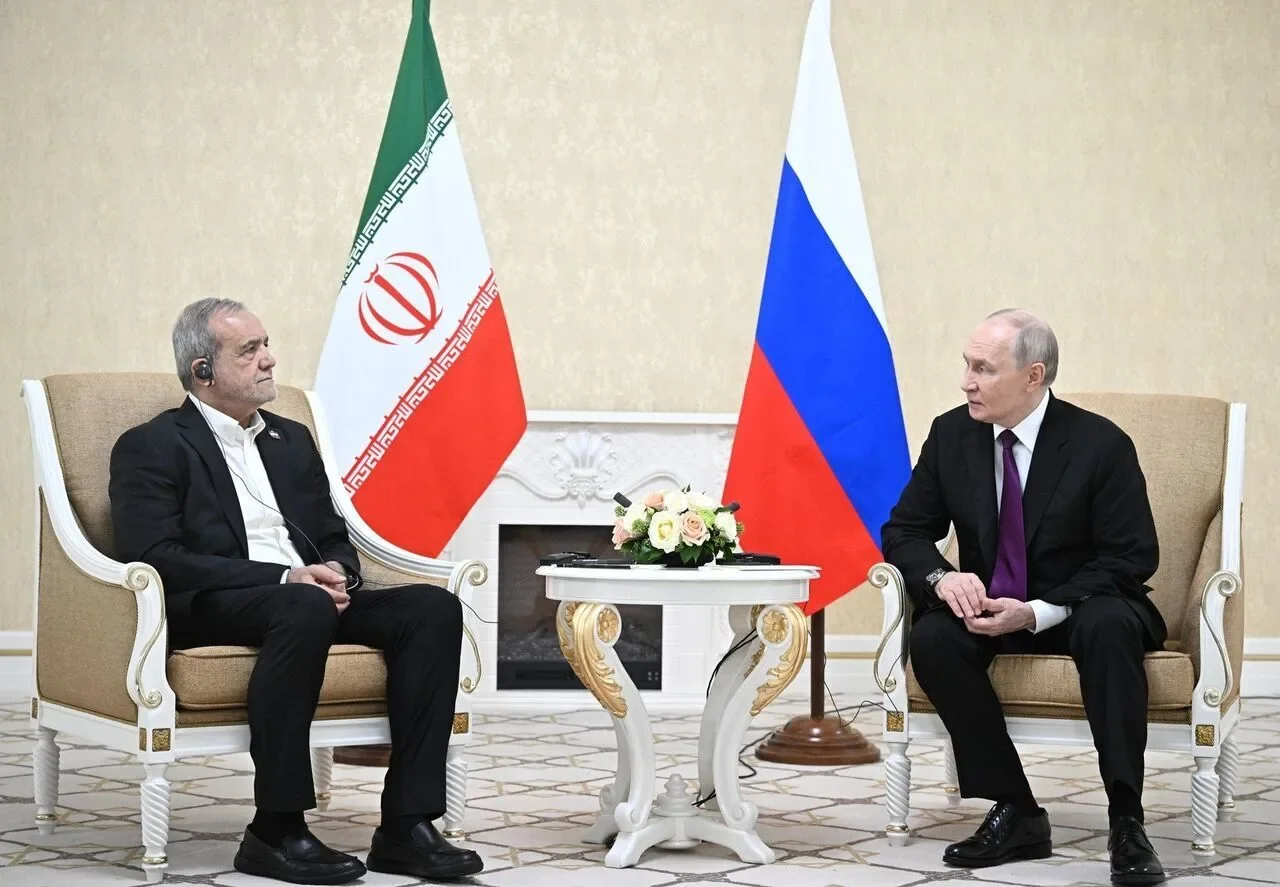
On this Saturday, October 10, 2026, the diplomatic air is thick with talk of 'multipolarity.' Iran’s Ambassador to Russia, Kazem Jalali, recently emphasized that the synergy between Tehran and Moscow is specifically designed to target unilateralism—a fancy way of saying they want to break the global reliance on the US dollar. For the average Iranian investor, this isn't just political rhetoric; it is a fundamental shift in how the value of the Toman is defended. When two sanctioned nations build a 'multipolar' financial bridge, they are trying to create a closed-loop economy where trade happens in Rubles and Tomans, theoretically insulating local prices from Western market shocks.
However, the transition to this new world order is rarely smooth. While the USD sell rate sits at 267,300 Toman today, the stability of this rate depends heavily on whether these international 'synergies' can actually facilitate the flow of essential goods. If the Iran-Russia alliance succeeds in creating alternative payment systems, we might see a decoupling of the Toman from traditional dollar-pegged volatility. But until those systems are fully operational, the market remains in a state of watchful waiting, reflected in the stagnant 0.0% change in the USD/IRR rate over the last 24 hours.

Blockchain Bottlenecks and the Reality of Digital Trade
While governments talk about high-level diplomacy, the technology that actually moves money is facing its own hurdles. Take the recent news from the crypto world: the Robinhood Chain has seen a massive 40% drop in transaction volume. For Iranians who use decentralized networks to move value or hedge against inflation, this is a reminder that digital 'highways' can get congested or lose momentum just like physical trade routes. When a major player like Robinhood sees a slowdown despite paying network fees, it signals a cooling of retail interest or a shift in where the 'smart money' is moving.
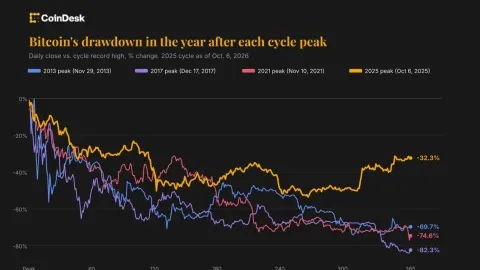
For the local user, this means that relying on a single digital asset or network is risky. As we see Bitcoin holding at $82,844 and USDT at 266,227 Toman, the lesson is clear: infrastructure matters. If the 'multipolar' world that Ambassador Jalali envisions is to be built on blockchain, those networks must be robust enough to handle millions of daily transactions without the slowdowns currently plaguing commercial chains. Investors should look beyond the price of the coin and start paying attention to the 'health' of the network it lives on.
The AI Revolution: Efficiency as an Inflation Hedge
In the background of these geopolitical and crypto shifts, a new player has emerged: high-efficiency AI models. The recent $7.5 billion valuation of Jev, a non-text AI model, highlights a trend toward tools that are faster and use fewer resources than traditional LLMs. In a country like Iran, where hardware costs are high due to sanctions and currency devaluation, 'efficient' technology is a godsend. These tools aren't just for chatting; they are being integrated into trading algorithms and supply chain management to squeeze every bit of value out of a transaction.
Even something as simple as an AI-driven bird feeder, which uses computer vision to identify species, points to a future where automated observation replaces manual labor. In the financial world, this means AI that can 'watch' the market 24/7, spotting patterns in Gold prices—which rose slightly to 26,536,312 Toman per gram today—faster than any human could. As we move further into 2026, the real 'inflation hedge' might not just be gold or USD, but the ability to use these high-speed AI tools to make smarter, faster decisions in a world that no longer waits for the morning news to move.
Concept Diagram
Frequently Asked Questions
چرا همکاری ایران و روسیه برای قیمت دلار مهم است؟
کاهش تراکنشهای زنجیره رابینهود چه معنایی برای کاربران ایرانی دارد؟
هوش مصنوعی چگونه میتواند به عنوان سپر تورمی عمل کند؟
Understanding De-dollarization in a Changing Global Economy
De-dollarization refers to the process of reducing the global reliance on the U.S. dollar as the primary currency for international trade, finance, and central bank reserves. For decades, the dollar has held an unparalleled position as the world's dominant reserve currency, a status solidified by the Bretton Woods agreement post-World War II. This dominance grants the U.S. significant economic and geopolitical leverage, influencing everything from commodity prices to global financial stability.
The drivers behind de-dollarization are multifaceted, often stemming from geopolitical shifts and a desire for greater financial autonomy. Countries like Iran and Russia, facing unilateral sanctions, actively seek "sanctions-proof banking" solutions and engage in bilateral trade using local currencies, exemplified by the "Iran-Russia pivot." Beyond sanctions, the rise of alternative economic powers, a search for stability amidst U.S. monetary policy shifts, and a desire to diversify risk contribute to this trend among various nations.
The mechanisms of de-dollarization include several practical approaches. Central banks are increasingly diversifying their foreign exchange reserves, shifting away from dollars towards assets like gold or other major currencies, notably the Chinese Yuan. Furthermore, there's a growing trend towards settling international trade directly in local currencies, bypassing the dollar entirely. The development of alternative international payment systems that operate outside traditional dollar-denominated networks also plays a crucial role in facilitating this shift.
The potential implications of widespread de-dollarization are significant for the global financial landscape. A substantial reduction in dollar reliance could impact global financial stability, alter exchange rates, and influence commodity prices (such as the "gold price Iran" might see). Crucially, it could diminish the economic leverage of the U.S., signaling a move towards a more "multipolar financial system" where economic influence is distributed among several major currency blocs and economic powers.
Topics
Related Articles