The Steel Anchor and the Gold Scale: How Naval Movements and Regional Shocks Shape the Toman in 1405
لنگر پولادین و ترازوی طلا؛ چگونه جابهجایی ناوها و شوکهای منطقهای قیمتها را در مهر ۱۴۰۵ جابهجا میکنند؟
As the USS Lincoln returns to California after a record-breaking deployment, the Iranian market remains on edge. We break down the mechanics of 'risk premiums' and how regional attacks like the Riyadh airport strike counteract the cooling effect of naval de-escalation.
At time of publishing
USD
267,600
Toman
Gold 18K
26.46M
Toman / gram
Bitcoin
$82,588
US Dollar
Tether
267,721
Toman
The Steel Giant Returns: Understanding the Risk Premium
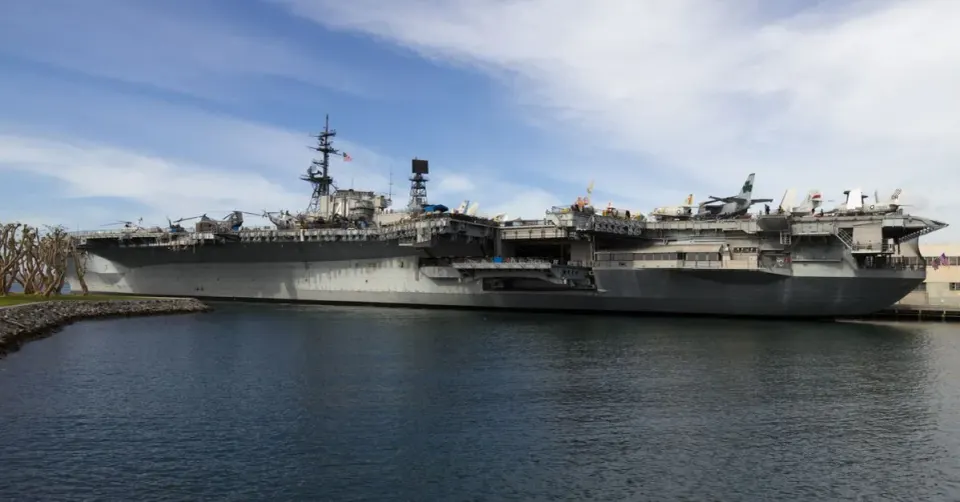
On Friday, October 9, 2026, the global geopolitical map shifted as the USS Lincoln finally docked in California. After an unprecedented 265 days at sea—a deployment extended specifically due to the ongoing tensions and conflict involving Iran—the carrier's return marks a symbolic moment of de-escalation. For the average investor in Tehran, this isn't just military news; it is a signal. In financial terms, we call this the 'risk premium.' This is the extra cost added to the price of a US Dollar or a gram of gold simply because people are afraid of what might happen tomorrow. When a massive carrier group leaves the region, that premium usually begins to evaporate, putting downward pressure on the 'shadow rate' of the dollar.
However, the market is rarely influenced by a single event. While the physical departure of the USS Lincoln suggests a thinning of the immediate war cloud, the psychological scars of a 10-month deployment remain. Investors often look for 'confirmation signals' before changing their behavior. If the departure is followed by a period of quiet, we might see the USD sell rate, currently at 267,600 Toman, begin to soften. But as we have seen in today's market data, gold has actually risen by 0.6% to reach 26,457,823 Toman per gram. This suggests that while the ships are moving out, the fear has not yet packed its bags.
The Riyadh Shock: Why Markets Don't Calm Down Easily
Any hope for a swift decline in the risk premium was challenged on Thursday when reports emerged of a deadly attack on King Khalid International Airport in Riyadh. According to official claims, three Saudi citizens were killed in the strike. In the interconnected web of Middle Eastern finance, an attack on a major regional hub like Riyadh acts as a sudden injection of adrenaline into the currency markets. It reminds traders that even if the US Navy shifts its posture, local flashpoints remain volatile. This is precisely why the USD/IRR rate remained flat at 267,600 despite the naval news; the 'security discount' from the carrier's exit was immediately cancelled out by the 'instability premium' of the airport attack.
For Iranians, this creates a 'sideways' market—a period where prices don't move much in terms of trend but remain extremely sensitive to the next headline. The Riyadh incident highlights the fragility of the current peace. When an airport is targeted, it affects insurance rates for shipping, travel confidence, and regional trade flows. This tension keeps the demand for 'safe havens' like gold and USDT high. Even today, USDT is trading at 267,721 Toman, slightly above the physical dollar rate, indicating that people are still willing to pay a premium for the liquidity and safety of digital assets.
Bitcoin as the New Institutional Collateral
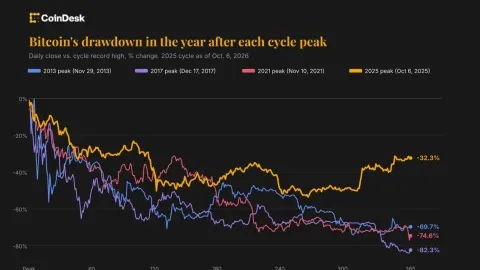
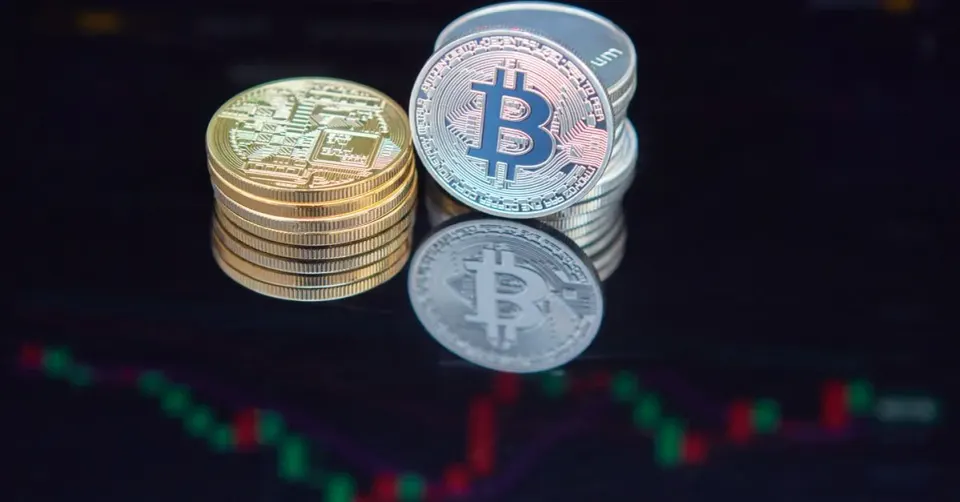
While geopolitics dominates the headlines, a technological shift is occurring in the background that could change how Iranians hold wealth. The launch of the 'Hashi' protocol on the Sui blockchain has secured $500 million in commitments to allow Bitcoin to be used as collateral for loans without actually moving the BTC off its native network. This is a massive development for the 'HODL' culture. In the past, if you needed liquidity but didn't want to sell your Bitcoin, you had to trust a third-party bridge or exchange. Now, institutional-grade tech is making it possible to keep your 82,588 USD worth of Bitcoin safe while still using its value to borrow capital.
This trend toward 'Bitcoin lending' is particularly relevant for the Iranian market, where capital flight and inflation are constant threats. If Bitcoin becomes a productive asset that can generate loans or yield without the risk of 'bridge hacks,' it becomes an even more attractive alternative to traditional gold. As the US administration also pushes a $6 billion science initiative for AI and quantum computing, the race between digital security and technological advancement is heating up. For the local investor, the message is clear: the tools to protect your wealth are becoming more sophisticated, even as the world around us becomes more unpredictable.
The Investor’s Strategy for Late 1405
Navigating the remainder of 1405 requires a balance between watching the horizon and watching the screen. The return of the USS Lincoln tells us that the 'peak' of military tension might be behind us, but the Riyadh attacks and the ongoing legal drama in the US—such as the Pentagon’s controversial decision to livestream a firing squad execution—remind us that we live in an era of 'unprecedented' events. Unprecedented events lead to volatile markets. When volatility is high, the best strategy is not to guess the bottom or the top, but to understand the 'why' behind the price.
Today's 0.6% rise in gold 18k is a testament to the fact that the Iranian public still trusts gold more than any naval treaty or troop movement. Until the geopolitical climate shows sustained stability, gold and stablecoins will likely maintain their dominance in the Iranian portfolio. As we look toward the next quarter, keep an eye on regional diplomatic efforts; if Riyadh and Tehran move toward cooling the 'airport war,' that will be the true signal for a market correction. Until then, the risk premium is here to stay.
Concept Diagram
Watch
USS Abraham Lincoln returns to San Diego after historic 10-month deployment
CBS News
Frequently Asked Questions
چرا با خروج ناو آمریکا از منطقه، قیمت دلار کاهش پیدا نکرد؟
صرفه ریسک (Risk Premium) چیست و چگونه محاسبه میشود؟
پروتکل Hashi چه سودی برای دارندگان بیتکوین در ایران دارد؟
آیا رشد ۰.۶ درصدی طلا در امروز ادامهدار خواهد بود؟
Geopolitical Risk and Currency Exchange Rates
Geopolitical risk refers to the potential for political events, conflicts, or instability in a region to disrupt markets and economic activity. For national currencies, this risk is a significant determinant of their value on the international stage. When tensions escalate, such as the presence of naval forces like the USS Lincoln near a country or regional shocks like the Riyadh airport attack, investors and citizens alike perceive a heightened risk of economic disruption, sanctions, or even conflict. This uncertainty directly impacts the demand for and supply of the local currency, leading to significant fluctuations in its exchange rate.
The primary mechanism through which geopolitical risk affects a currency is the creation of a "risk premium." A risk premium is the additional return or compensation investors demand for holding an asset that carries a higher perceived risk. In the context of the Toman (Iran's national currency), increased geopolitical tensions mean that holding Toman-denominated assets becomes riskier. Investors, both domestic and international, may seek to move their capital into more stable assets or currencies, such as the US dollar or gold, which are often considered safe havens during times of crisis. This increased demand for foreign currency and decreased demand for the local currency puts downward pressure on the Toman's value.
Consequently, the USD/IRR exchange rate will reflect this risk premium. A higher risk premium means that more Toman are required to purchase one US dollar, effectively devaluing the local currency. This devaluation has several ripple effects: it makes imports more expensive, fuels domestic inflation, and erodes the purchasing power of citizens. For a country like Iran, which frequently faces regional geopolitical challenges, understanding this dynamic is crucial for comprehending the daily movements and long-term trends of its currency. The interplay between international events and domestic economic stability is a constant balancing act, with the Toman's value often serving as a barometer of perceived safety and future prospects.