Beyond the Bet: Why Regulators are Fighting Over the Future of Prediction Markets
فراتر از یک قمار؛ چرا بازارهای پیشبینی به رقیب جدی تحلیلگران مالی تبدیل شدهاند؟
As the US CFTC moves to separate prediction markets from gambling, these platforms are becoming essential tools for forecasting global risks. Learn how 'crowd wisdom' predicts events like the Riyadh airport strike before they hit the currency markets.
At time of publishing
USD
265,200
Toman
Gold 18K
26.34M
Toman / gram
Bitcoin
$82,961
US Dollar
Tether
264,847
Toman
The New Frontier of Financial Forecasting
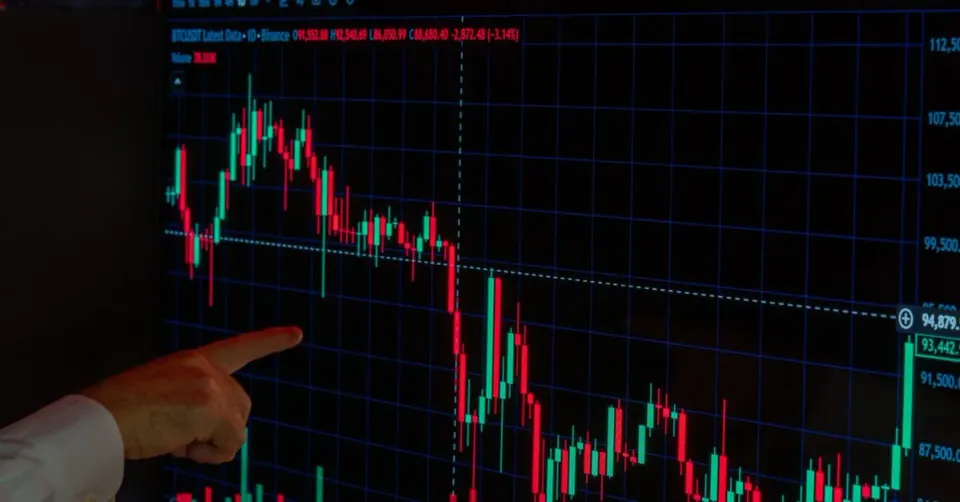
On Sunday, October 11, 2026, the financial world is closely watching a regulatory tug-of-war in Washington. The Commodity Futures Trading Commission (CFTC) has proposed new measures aimed at drawing a sharp line between prediction markets and traditional casino gambling. While this might sound like a bureaucratic detail, it represents a massive shift in how we understand information. Prediction markets, like Polymarket or Kalshi, allow users to buy and sell 'shares' in the outcome of real-world events—ranging from election results to the likelihood of a central bank rate hike. Unlike a casino, where the house always wins, these markets act as a decentralized polling station that reflects the collective intelligence of thousands of participants.
The logic is simple: when people put their money where their mouth is, they tend to be more honest and thorough in their analysis. This 'wisdom of the crowd' often proves more accurate than traditional pundits or polls. For an Iranian investor, these markets are becoming an early warning system. When a major geopolitical event occurs, such as the recent deadly strike on Riyadh’s international airport which killed 12 people, the 'odds' of regional escalation shift instantly on these platforms. This movement often precedes the reaction in the USD/IRR or gold markets, giving savvy observers a few minutes of lead time to adjust their positions.
Geopolitics as a Market Variable
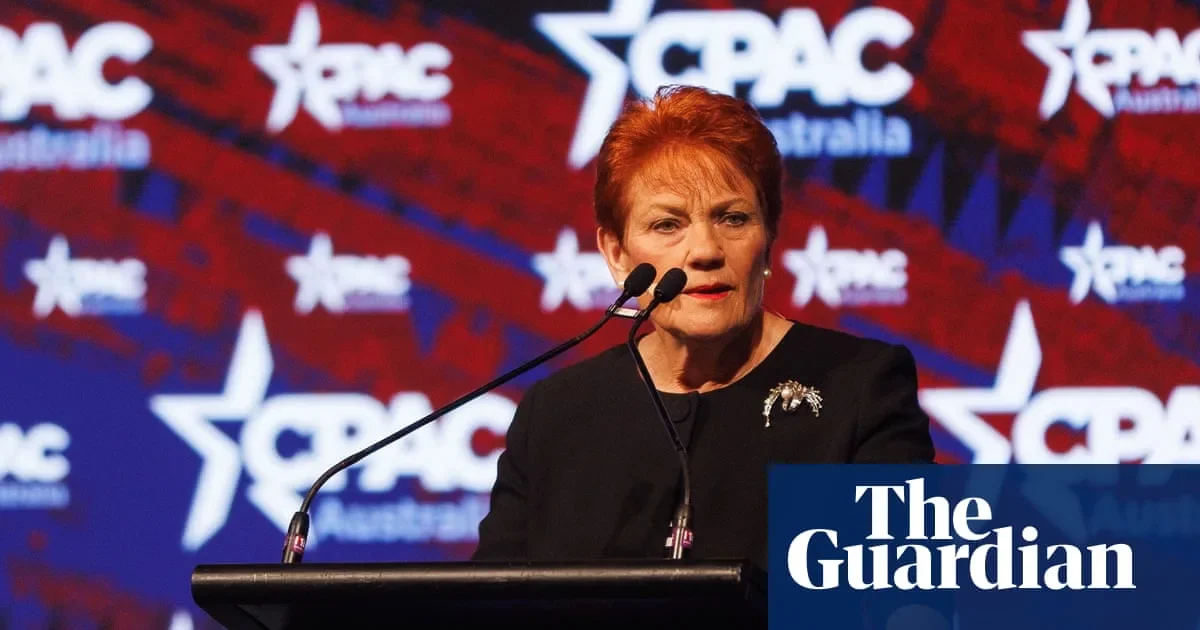
Today’s market data reflects a slight cooling in local prices, with the USD selling at 265,200 Toman, down 0.1%. However, the underlying tension remains high. Events like the Conservative Political Action Conference (CPAC) in Australia, which featured Trump impersonators and heated rhetoric about global policy, highlight the growing divide in Western politics. These spectacles aren't just entertainment; they represent shifts in future trade policies and sanctions regimes. Prediction markets track the probability of a political comeback or a shift in labor laws, translating political noise into a concrete percentage of probability.
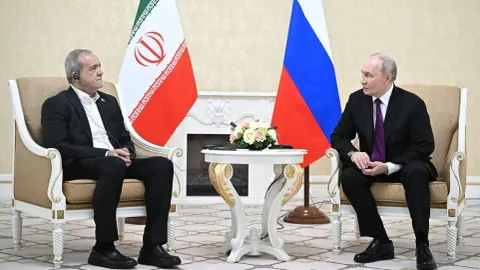
When Iranian Foreign Ministry spokesperson Esmaeil Baqaei claims that the 'real enemy' of the American people is their own establishment, he is participating in a narrative war that prediction markets actively price in. If the market believes such rhetoric will lead to increased sanctions or military tension, the price of 'Yes' contracts for conflict will rise. This data is invaluable for those trying to understand why Gold 18k dropped slightly today to 26,335,472 Toman despite the news of the Riyadh attack. It suggests that, for now, the 'crowd' does not believe this specific event will trigger a wider, uncontrollable regional war—a nuance that a simple news headline might miss.

The AI Emergency Brake and Your Portfolio
As we move further into 2026, the role of Artificial Intelligence in these markets is becoming a double-edged sword. Microsoft CEO Satya Nadella recently warned that we should assume all AI models are 'compromised' and suggested the need for an 'emergency brake' on autonomous systems. In the world of finance, AI bots are already trading on prediction markets, reacting to news faster than any human could. This speed can create 'flash crashes' in sentiment, where the perceived probability of an event swings wildly based on a single misinterpreted headline.
For the everyday user in Iran, this means that while prediction markets are powerful, they must be used with caution. You shouldn't trade your life savings based on a 5% shift in a Polymarket contract. Instead, treat these platforms as a weather vane. They show you which way the wind is blowing before the storm arrives. If you see the probability of a US interest rate cut rising, you can expect the global gold ounce (currently at $4,195.60) to potentially gain strength, which will eventually ripple back into the price of the Emami coin, currently at 269,000,000 Toman. Understanding the mechanics of these markets is no longer optional—it is a core skill for the modern investor.

Concept Diagram
Frequently Asked Questions
تفاوت بازار پیشبینی با سایتهای شرطبندی چیست؟
چگونه میتوان از این بازارها برای پیشبینی قیمت دلار استفاده کرد؟
آیا هوش مصنوعی میتواند این بازارها را دستکاری کند؟
Understanding Prediction Markets: Information Aggregation and Regulatory Hurdles
Prediction markets are innovative platforms where individuals can buy and sell contracts whose value is tied to the outcome of future events. Unlike traditional stock markets, which trade shares in companies, prediction markets trade "shares" in specific propositions, such as "Will X happen by Y date?" The price of these contracts, typically ranging from $0 to $1, reflects the collective probability that the event will occur. For instance, if a contract for "Biden wins 2024 election" trades at $0.60, it implies a 60% perceived chance of that outcome, reflecting the "wisdom of the crowd" – the idea that the aggregated knowledge of a diverse group is often more accurate than individual expert opinions.
These markets harness the power of distributed information, allowing participants to put their money where their beliefs are, thereby incentivizing truthful revelation of private information. This mechanism makes prediction markets remarkably effective tools for forecasting a wide array of events, from political elections and economic indicators to technological adoption and even geopolitical risks like the USD/IRR exchange rate fluctuations. Companies and governments can potentially leverage these insights for better strategic planning, as they often provide more accurate and real-time forecasts than traditional polling or expert panels.
However, the innovative nature of prediction markets also places them in a complex regulatory grey area, particularly in jurisdictions like the United States. Regulators, such as the Commodity Futures Trading Commission (CFTC), are tasked with overseeing markets for commodities and derivatives to prevent fraud, manipulation, and protect investors. The CFTC views many prediction market contracts as unlawful "event contracts" or "swaps" that do not meet regulatory requirements, often likening them to unregulated gambling rather than legitimate financial instruments.
This regulatory scrutiny stems from concerns about market integrity, consumer protection, and the potential for these markets to be used for illegal activities or to bet on matters of public policy in ways that could be seen as unethical or manipulative. The ongoing legal battles, like those involving platforms such as Polymarket, highlight the fundamental conflict between fostering innovation in information aggregation and applying existing regulatory frameworks designed for different types of financial products. The resolution of these disputes will significantly shape the future accessibility and scope of prediction markets globally.
Prediction Market - Wikipedia
en.wikipedia.org
Prediction Market Definition - Investopedia
investopedia.com
CFTC Files Civil Enforcement Action Against Polymarket, Inc. for Operating an Unregistered Facility for Event Contracts and Offering Illegal Off-Exchange Event Contracts - CFTC Press Release
cftc.gov
CFTC fines Polymarket $1.4 mln for unregistered market - Reuters
reuters.com
Topics
Related Articles