The $6.3 Billion Binance Breach: Why Decentralized Security Is No Longer Optional for Iranians
هک ۶.۳ میلیارد دلاری بایننس: چرا امنیت غیرمتمرکز دیگر برای ایرانیها یک انتخاب نیست؟
A record-breaking hack targeting Binance has sent shockwaves through the crypto market, with North Korean hackers suspected of stealing $6.3 billion. As Bitcoin slides and local USDT premiums rise, we explore what this means for your digital safety and the future of trading.
At time of publishing
USD
271,200
Toman
Gold 18K
25.92M
Toman / gram
Bitcoin
$77,607
US Dollar
Tether
271,790
Toman
The Anatomy of a $6.3 Billion Heist
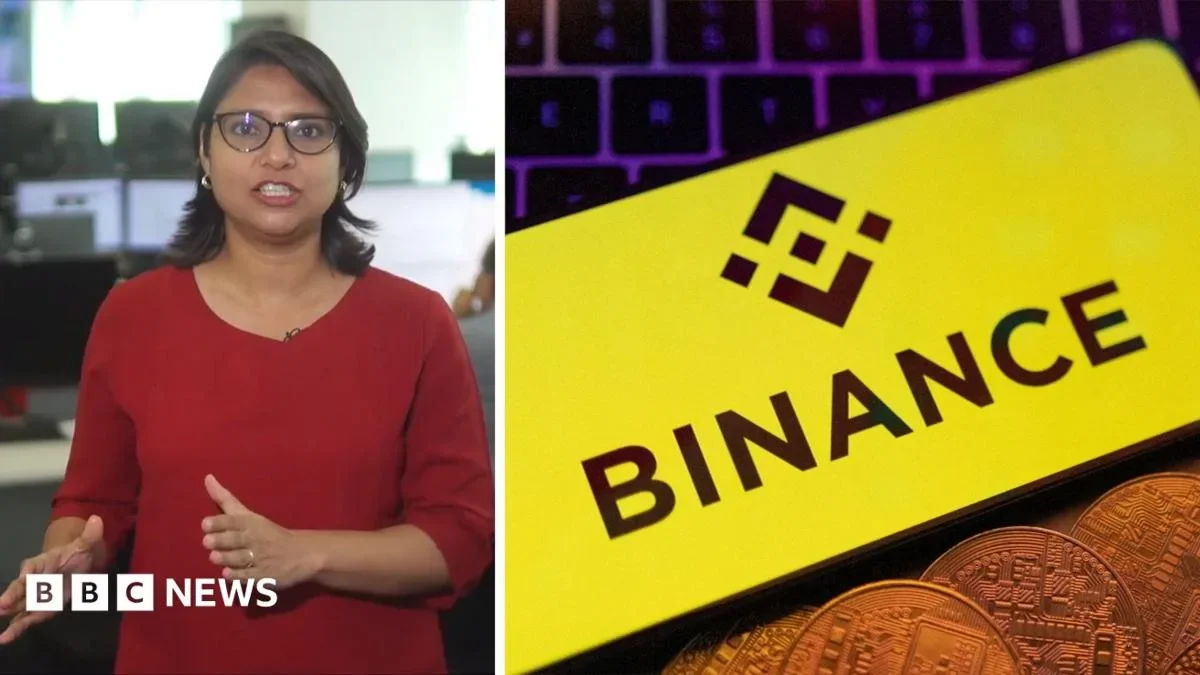
The cryptocurrency world woke up to a nightmare on Friday, October 30, 2026, as news broke of a security breach at Binance, the world’s largest exchange. Reports indicate that approximately $6.3 billion in assets were compromised, a figure that dwarfs previous records. According to BBC business reporter Archana Shukla, the attack is being linked to the notorious North Korean hacking group known as 'TraderTraitor.' This group has a history of sophisticated social engineering and technical exploits, marking this not just as a theft, but as a significant geopolitical event. While Binance has managed to freeze about $3 billion of the stolen funds, the sheer scale of the vulnerability has left investors questioning the safety of centralized platforms.
This incident isn't an isolated case of digital fraud. In a similar vein of global cybercrime, authorities recently uncovered a $130 million 'ghost student' scam involving Kenyan nationals and US student aid. These events highlight a growing trend: as financial systems become more digitized, the sophistication of 'chancers' and state-sponsored actors increases. For the average trader, the message is clear: the walls of the 'safest' digital vaults are thinner than they appear. When a giant like Binance falters, the ripple effect touches every corner of the market, from the price of BNB to the confidence of a retail investor in Tehran.
The Iranian Market Reaction and the USDT Premium
In the local Iranian market, the impact was immediate but nuanced. While the free market USD sell rate remained steady at 271,200 Toman, Tether (USDT) saw a distinct premium, trading at 271,790 Toman. This gap reflects a 'risk premium'—when global exchanges face uncertainty, Iranian traders often scramble for the perceived safety of stablecoins, even as they move assets off centralized platforms. Gold 18k also saw a slight dip of 0.8% today, settling at 25,922,249 Toman per gram, suggesting a minor rotation of capital as investors reassess their risk appetite amidst global instability.
The tension in Tehran is further compounded by local tragedies. Reports from Al Jazeera highlight the human cost of regional conflict, such as the story of Hamed Mirzaei, who lost 12 family members in recent strikes. This backdrop of geopolitical fragility ensures that any global financial shock, like the Binance hack, is felt more acutely in Iran. When the world is volatile, the Iranian investor doesn't just look at charts; they look for exits. The fact that Bitcoin has slipped toward the $77,000 mark only adds to the sense of urgency for those holding digital assets in high-risk environments.
From Centralized Giants to Decentralized Havens
The failure of centralized security systems often leads to a 'moonshot' call for reform. Much like the UK government's obesity plan, which MPs recently warned is 'doomed to fail' due to a lack of leadership and systemic flaws, centralized exchanges often promise total security that they cannot realistically deliver. Standard Chartered’s analysts are already predicting that this breach will accelerate a massive shift toward Decentralized Exchanges (DEXs). In a DEX, you don't hand your keys to a middleman; you trade directly from your wallet. This 'self-custody' model is becoming the gold standard for those who wish to avoid the 'single point of failure' inherent in platforms like Binance.
For Iranians, the takeaway is practical. If a $6.3 billion hack can happen to the industry leader, no centralized account is a 'set and forget' savings vehicle. While some might find comfort in physical assets—like the recent £30m Rothbury Estate purchase backed by David Attenborough—most modern investors need the liquidity of digital markets. To survive this era, one must learn the tools of the trade: hardware wallets, decentralized protocols, and a healthy skepticism of any platform that claims to be 'too big to fail.' The future of finance is not just digital; it must be sovereign.
Concept Diagram
Frequently Asked Questions
آیا داراییهای کاربران ایرانی در بایننس بیمه است؟
چرا قیمت تتر از دلار آزاد در بازار ایران گرانتر شد؟
گروه هکری TraderTraitor چگونه عمل میکند؟
تفاوت امنیتی صرافی متمرکز (CEX) و غیرمتمرکز (DEX) چیست؟
Self‑Custody Wallets: Why Decentralized Security Is Essential for Iranian Crypto Users
Self‑custody, also known as a non‑custodial wallet, puts the private keys that control a cryptocurrency directly in the hands of the user rather than a third‑party exchange. When you store your assets on a platform like Binance, the exchange holds the keys and therefore the ultimate authority over your funds. In the wake of the $6.3 billion Binance breach in 2026, the risk of a single point of failure became starkly evident: a successful hack can instantly lock away or erase billions of dollars that belong to millions of users, many of whom live under restrictive financial regimes such as Iran’s.
The technical advantage of self‑custody lies in its reliance on cryptographic principles. A private key is a 256‑bit number that can generate a public address; only the holder of that key can sign transactions. By keeping the key offline—using hardware wallets, paper backups, or air‑gapped devices—users dramatically reduce exposure to online attacks, phishing, or insider threats. Decentralized security is not a luxury but a necessity when state actors, sanctioned entities, or hostile actors may target centralized exchanges for geopolitical or financial gain.
For Iranians, the stakes are even higher. International sanctions limit access to traditional banking, prompting many to turn to stablecoins like USDT, often traded at a premium against the Iranian rial (IRR). When a centralized exchange is compromised, the premium can evaporate, leaving users with devalued assets and no recourse. Self‑custody enables individuals to move funds across borders without relying on a single gateway, preserving both financial sovereignty and privacy.
Adopting self‑custody does come with responsibilities: users must back up seed phrases, protect hardware devices, and stay informed about best practices. However, the trade‑off is clear—control over one’s own wealth versus dependence on an institution that can be hacked, shut down, or seized. As the crypto ecosystem matures, the shift toward decentralized security will likely accelerate, especially in regions where regulatory uncertainty and external pressures make centralized services vulnerable.
In short, the Binance breach serves as a cautionary tale: without self‑custody, even the world’s largest exchange cannot guarantee the safety of your crypto. By mastering non‑custodial solutions, Iranian traders can safeguard their assets against both cyber‑criminals and geopolitical turbulence.