Iran Warns of Extended Conflict: How Geopolitics Impacts Your Toman and Gold
ایران از جنگ طولانی هشدار میدهد: ژئوپلیتیک چگونه بر تومان و طلای شما تأثیر میگذارد؟
Iran's recent warning of a prolonged conflict with the US, coupled with global economic shifts, creates a volatile environment. This explainer breaks down how geopolitical tensions directly influence currency expectations, gold prices, and the overall stability of savings in Iran.
At time of publishing
USD
273,000
Toman
Gold 18K
25.79M
Toman / gram
Bitcoin
$78,043
US Dollar
Tether
272,974
Toman
Geopolitical Tremors and the Toman
Recent statements from Tehran, warning of a protracted conflict with the United States, have sent ripples through financial markets. News reports indicate Iran suggesting that any renewed war could outlast previous engagements, a sentiment underscored by ongoing diplomatic efforts ahead of significant elections. This heightened geopolitical tension, particularly concerning the broader Middle East and potential escalations, directly impacts investor confidence. When global or regional stability is perceived to be at risk, capital tends to flow towards safer assets, often away from emerging markets and currencies that are seen as more vulnerable. For Iran, this translates into increased pressure on the Rial (and by extension, the Toman in the local market), as demand for foreign currency, especially the US Dollar, typically rises amid uncertainty.
This dynamic is visible in the current market data. The USD sell rate stands at 273,000 Toman, reflecting a recent uptick. While specific drivers for this small 0.4% increase over 24 hours can be complex, broader geopolitical anxieties often act as a persistent undercurrent. International sanctions, trade disruptions, and the general perception of risk associated with Iran's geopolitical standing all contribute to a weaker domestic currency. When foreign investors become hesitant to engage with the Iranian market due to political instability or the threat of conflict, it reduces the inflow of foreign exchange, further weakening the Toman.
---
The Gold Standard in Uncertain Times
Gold has historically served as a haven asset, a tangible store of value that often performs well when traditional financial markets are in turmoil. In times of geopolitical stress, inflation fears, or currency devaluation, investors globally tend to flock to gold. This increased demand typically drives up its price, a phenomenon that is also observed in Iran.
As geopolitical risks escalate, the price of gold, both in USD on the international market and in Toman domestically, tends to rise. The international gold ounce is currently trading around $3,898.00. Domestically, this translates into significant price movements for gold coins and bars. For instance, the Emami coin has seen a 1.0% rise in 24 hours, reaching 263,500,000 Toman. Similarly, 18-karat gold per gram has increased by 0.3%. These movements, while modest in the short term, illustrate the underlying trend: as geopolitical uncertainty grows, the appeal of gold as a hedge against instability and currency depreciation increases, pushing local prices upward.

---
Broader Economic Ripples and Investor Confidence
Beyond the direct impact on currency and gold, geopolitical tensions can have a chilling effect on the broader economy. For Iran, this can manifest in several ways. Firstly, it can deter foreign investment, not just in financial markets but also in crucial sectors like energy and manufacturing. Companies become reluctant to commit capital when the risk of conflict or further sanctions looms large. This lack of investment stifles economic growth and job creation.
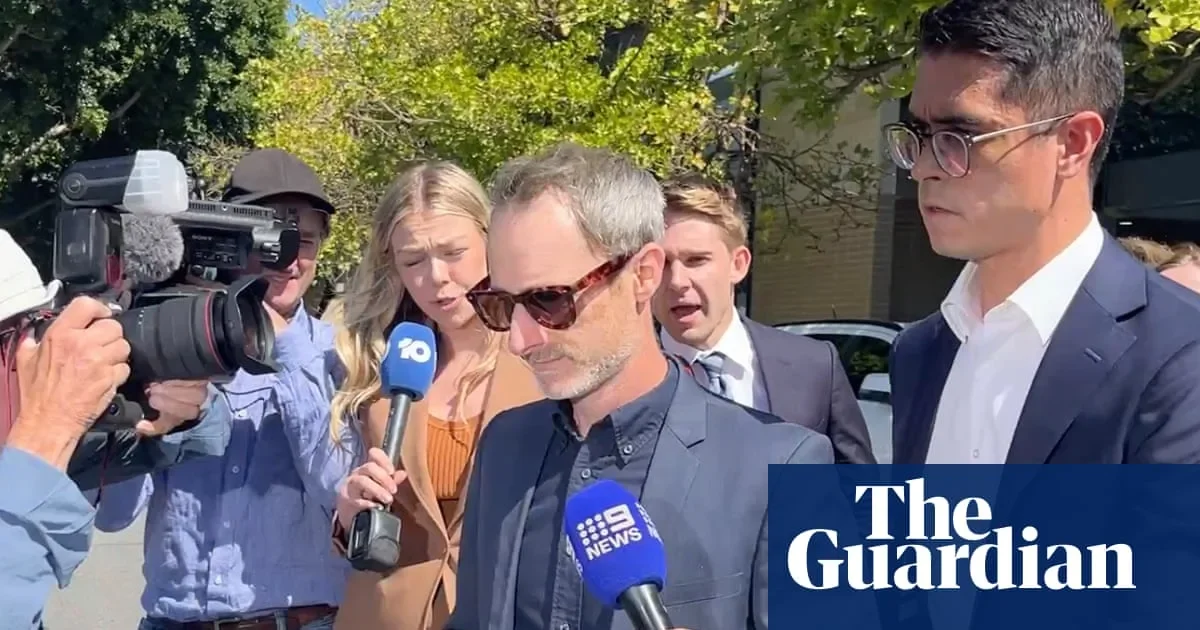
Secondly, heightened geopolitical risks can disrupt trade routes and supply chains. While news about Bangladesh's garment factories facing disruptions due to protests over wages and inflation highlights global economic fragility, similar supply chain issues can be exacerbated by regional instability. For Iran, this means potential challenges in importing necessary goods and exporting its own products, further impacting domestic prices and availability. The warning from Iran about potential extended conflict, alongside international news such as the jailing of an Australian author for child exploitation offenses (news index [0]), might seem unrelated, but they collectively contribute to a global atmosphere of unease. Such disparate events, when viewed together, can erode overall investor confidence, making individuals and institutions more cautious about their financial decisions, including savings and investment strategies.

---
The Takeaway for You
Understanding these connections is crucial for navigating the current economic landscape in Iran. Geopolitical developments, even those that seem distant, have a tangible impact on your wallet. The warning of potential prolonged conflict in the region directly influences the stability of the Toman and the attractiveness of gold as a safe-haven asset. Staying informed about global events and their potential economic fallout allows for more prudent financial planning, helping you to protect your savings and make informed investment decisions in an increasingly unpredictable world.
Concept Diagram
Frequently Asked Questions
How does geopolitical tension specifically affect the Toman's value against the USD?
Is gold always a good investment during geopolitical crises?
What are the indirect economic consequences of potential prolonged conflict for Iranians?
How can global news, like the Australian author's jailing, impact Iranian markets?
Safe‑Haven Assets: Why Gold Shines When Geopolitics Rattles the Toman
When political tensions flare, investors instinctively look for assets that can preserve value amid uncertainty. These are called safe‑haven assets – investments that tend to hold or even increase their price when markets are volatile or confidence in a currency wanes. Gold is the classic example: it is globally recognized, highly liquid, and its supply cannot be expanded at the whim of any single government, making it a hedge against both geopolitical risk and currency devaluation.
In Iran, the Toman’s value is closely tied to the country’s diplomatic climate and sanctions regime. Sanctions restrict access to foreign exchange, shrink foreign investment, and often trigger capital flight. As confidence in the Toman erodes, the official exchange rate can diverge sharply from the market rate, prompting citizens to seek alternative stores of wealth. Gold, traded both locally and on international markets, becomes an attractive substitute because it can be bought in small denominations, stored privately, and later converted back into foreign currency when conditions improve.
The mechanism behind gold’s safe‑haven status is partly psychological and partly economic. Investors view gold as a zero‑coupon bond: it does not pay interest, but its purchasing power is expected to rise when fiat currencies lose purchasing power due to inflation or devaluation. Moreover, gold prices are denominated in U.S. dollars, the world’s reserve currency, so when the dollar strengthens against a troubled currency like the Toman, gold’s local price in Toman often climbs, reinforcing its appeal as a protective asset.
However, relying on gold is not without risks. Prices can be volatile in the short term, storage costs and security concerns add overhead, and government policies (such as export bans or heavy taxation) can limit accessibility. For Iranian investors, a balanced approach—combining gold with other hard assets, foreign‑currency accounts where possible, and diversified portfolios—helps mitigate the downside while still guarding against geopolitical shocks.
Understanding the safe‑haven concept equips you to evaluate why gold spikes during crises, how it interacts with a weakened Toman, and what strategic steps you can take to protect your wealth when geopolitics turns turbulent.
Topics
Related Articles