The Sanction Leak: Why High-Tech Defies Policy and How It Impacts the Rial
نشت تحریمها؛ چرا تکنولوژی از مرزها عبور میکند و اثر آن بر ریال چیست؟
As Tehran and Washington trade verbal blows over future policy, the reality of global trade shows that even the strictest bans on AI chips are being bypassed. For Iranian investors, understanding this 'sanction-proofing' of technology is key to predicting long-term currency and asset trends.
At time of publishing
USD
259,900
Toman
Gold 18K
25.76M
Toman / gram
Bitcoin
$73,672
US Dollar
Tether
255,462
Toman
The Rhetoric vs. The Market Reality
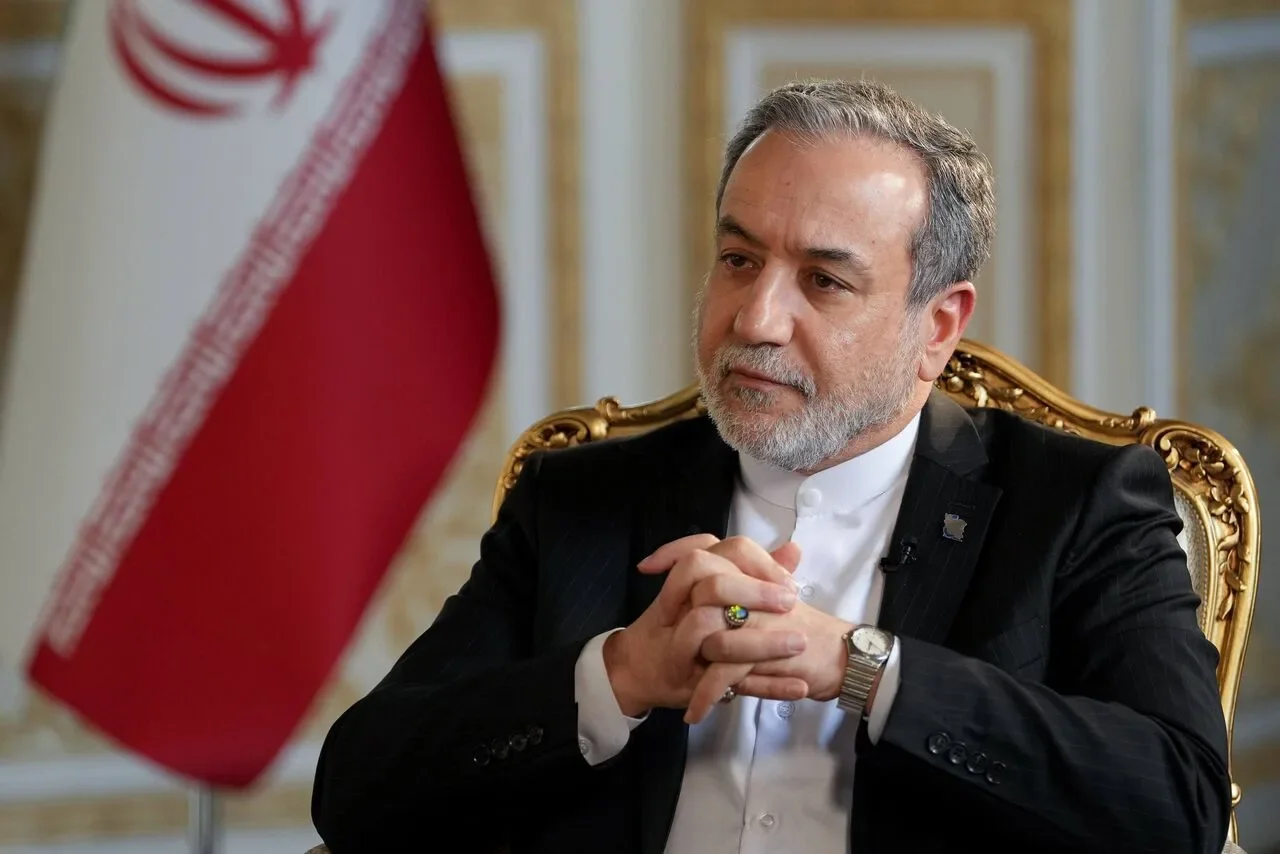
On Wednesday, November 11, 2026, the diplomatic atmosphere between Tehran and Washington sharpened significantly. Foreign Minister Abbas Araghchi dismissed the rhetoric of incoming US officials, specifically Marco Rubio, as a repeat of failed past policies. While these verbal exchanges often dominate the headlines, the currency market in Tehran responded with its own quiet signal: the US Dollar rose from 258,000 to 259,900 Toman, a 0.7% increase in just 24 hours. This suggests that while politicians debate 'delusions' and 'failed policies,' the market remains hyper-sensitive to the potential for renewed 'maximum pressure' tactics that could further isolate the Iranian economy.
For the average investor, this isn't just about politics; it's about the 'sanction premium.' Whenever tensions rise, the cost of importing essential goods—from medicine to machinery—spikes because the risk for intermediaries increases. We see this reflected in the price of Gold 18k, which holds steady at a staggering 25,762,962 Toman per gram. Gold remains the ultimate psychological anchor for Iranians, acting as a silent witness to the eroding purchasing power of the Rial as geopolitical uncertainty persists. Even with gold at a global peak of $4,050.30 per ounce, the local demand shows no sign of cooling.

The Nvidia Lesson: Sanctions are Porous
A fascinating development in the global tech sector provides a blueprint for how 'sanctioned' entities survive. Recent investigations revealed that Chinese universities have successfully acquired Nvidia H200 AI chips despite stringent US export bans. This highlights a fundamental truth of the 21st-century economy: high-value technology is like water; it finds the path of least resistance. Whether it is AI chips in China or industrial components in Iran, the existence of a 'shadow' supply chain is a permanent feature of global trade.
However, this survival comes at a steep price. When a country is forced to use grey markets, it pays a massive markup. This inefficiency is a direct drain on national reserves and a primary driver of domestic inflation. For an Iranian business owner, the 'Nvidia lesson' is that while you can always get what you need, you will pay 20-50% more than your global competitors. This 'hidden tax' is what keeps the Toman under constant downward pressure, regardless of the daily fluctuations in the Central Bank's official rates. It is the cost of bypassing a system that was designed to exclude you.

Strategy for the Sanction-Wary Investor
In an environment where headlines about 'delusions' and 'defamation' (such as Trump's ongoing $10 billion lawsuit against the BBC) create a fog of noise, the successful investor looks at hard assets and technological trends. Bitcoin, currently trading at $73,672, has become a digital version of the 'Nvidia leak.' It allows for the movement of value across borders without relying on the traditional banking systems that are currently the subject of the Araghchi-Rubio dispute. Crypto isn't just a speculative asset anymore; for many in the region, it is a functional tool for maintaining business continuity.
As we look ahead, the gap between official rhetoric and market behavior will likely widen. The 0.2% rise in the Emami Coin to 254,500,000 Toman today is a reminder that even small shifts in political tone can trigger a flight to safety. Investors should focus on diversification that accounts for this 'sanction-proofing.' This means holding assets that are either globally liquid (like BTC or Gold) or essential to the local supply chain. The goal is not just to grow wealth, but to protect it from the inevitable friction of a global economy that is increasingly divided into 'allowed' and 'restricted' zones.

Concept Diagram
Frequently Asked Questions
چرا با وجود تحریمهای سخت، تکنولوژیهای پیشرفته هنوز وارد کشورهای تحت تحریم میشوند؟
افزایش ۰.۷ درصدی قیمت دلار در امروز چه پیامی برای بازار دارد؟
آیا در قیمت ۴۰۵۰ دلاری، طلا هنوز برای خرید در ایران جذاب است؟
Sanctions Circumvention and the Rise of Shadow Economies
Economic sanctions are powerful foreign policy tools designed to compel a target country to change its behavior by imposing economic costs. However, their effectiveness is often challenged by the intricate mechanisms of sanctions circumvention, which in turn foster the growth of "shadow economies." These informal economic sectors operate outside official regulations and taxation, becoming crucial conduits for sanctioned goods and financial flows, often involving high-tech items like advanced semiconductors mentioned in the headlines.
Sanctions circumvention typically involves complex, multi-layered supply chains that obscure the true origin and destination of goods. Intermediaries in third countries, shell companies, mislabeled shipments, and sophisticated financial maneuvers are commonly employed to bypass restrictions. For instance, critical components like specialized GPUs, despite being under export controls, can find their way to sanctioned entities through networks that exploit legal loopholes, weak enforcement in transit countries, or outright illicit trade. This "shadow supply chain" allows the sanctioned state to acquire necessary resources, albeit at significantly higher costs and risks.
The emergence of a robust shadow economy has profound impacts on the targeted nation's official economic landscape. It can lead to severe currency devaluation, as seen with the Iranian Rial, due to reduced legitimate trade, capital flight, and the increased demand for stable foreign currencies or alternative assets within the informal sector. Inflation often surges as imported goods become more expensive through illicit channels. Citizens frequently turn to hedges like gold or cryptocurrencies such as Bitcoin to preserve wealth, further diverting capital from official financial systems and complicating macroeconomic management.
Moreover, the shadow economy distorts official economic data, making it difficult for both the sanctioned government and international observers to accurately assess the country's true economic health. This opacity undermines the very policy goals of sanctions, as the target state can sustain itself through unofficial channels, albeit with inefficiencies. The ongoing struggle between sanctioning bodies (like those represented by figures such as Rubio) and sanctioned states (like Iran, with its diplomatic figures such as Araghchi) highlights the persistent cat-and-mouse game of enforcement versus evasion, demonstrating how economic policy can be defied by resilient, albeit illicit, market forces.