Global Tensions Rise as US-Iran Tensions Escalate
افزایش تنشهای جهانی با تشدید روابط ایران و آمریکا
The US seizure of an Iranian ship has ignited regional tensions, threatening peace talks. Meanwhile, the crypto market is experiencing significant fluctuations, and the global economy is feeling the strain. In this hour's briefing, we delve into the latest developments and their implications.
At time of publishing
USD
152,550
Toman
Gold 18K
17.86M
Toman / gram
Escalating US-Iran Tensions
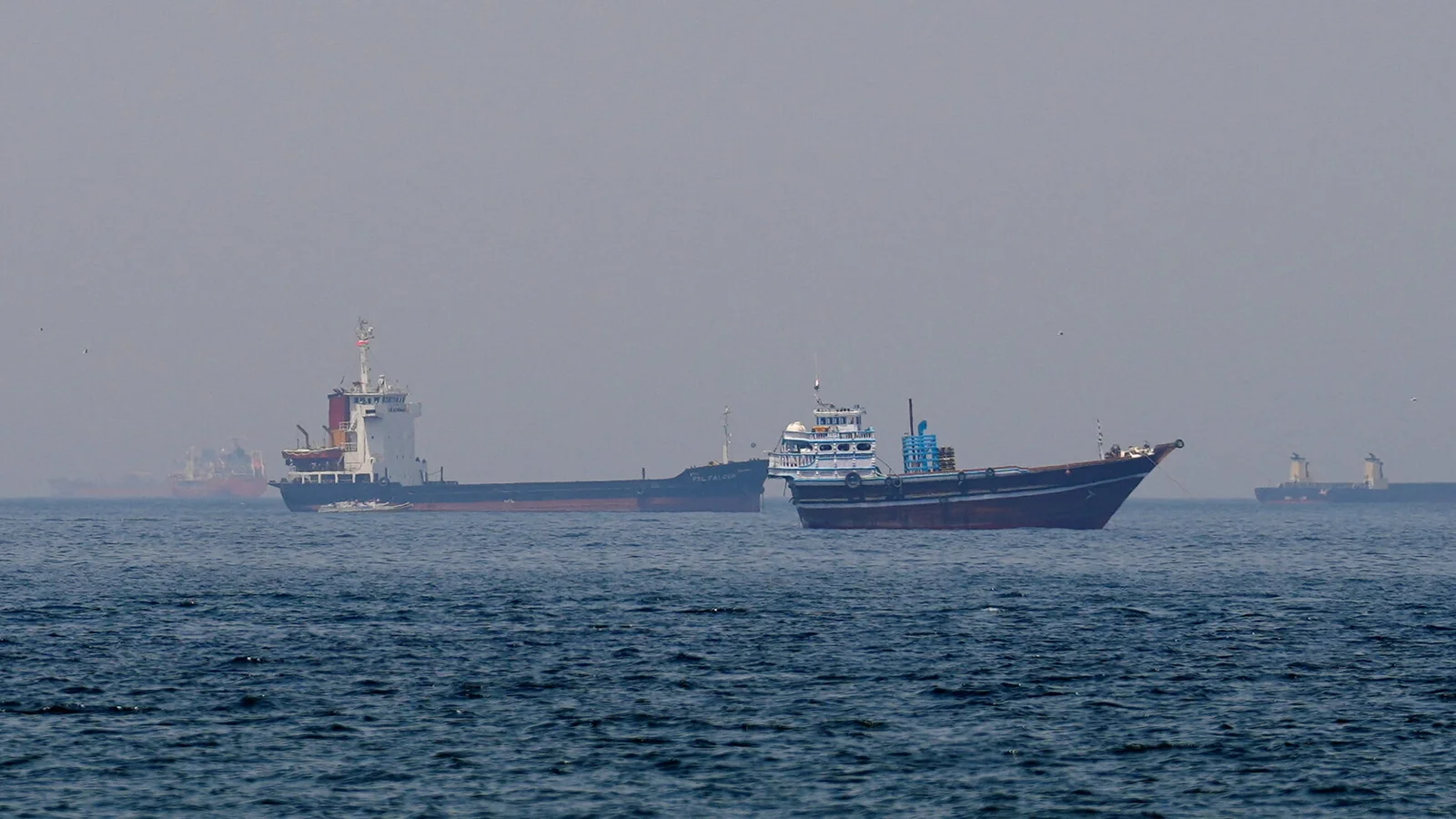
The US seizure of an Iranian ship has significantly heightened regional tensions, posing a substantial threat to ongoing peace talks. This development comes at a critical juncture, with both nations engaged in delicate negotiations aimed at resolving their longstanding disputes. The Iranian government has vowed to retaliate against this act, which it perceives as a blatant violation of its sovereignty. The situation is precarious, with the potential to escalate into a full-blown conflict.
The international community is closely monitoring the situation, urging restraint on both sides. The European Union, in particular, has expressed its deep concern over the escalating tensions, emphasizing the need for a peaceful resolution. As the situation continues to unfold, the global economy is beginning to feel the strain, with oil prices experiencing significant fluctuations.
Crypto Market Fluctuations
The crypto market is experiencing considerable volatility, with major cryptocurrencies like Bitcoin and Ethereum witnessing significant price swings. The market is reacting to various factors, including the recent exploits and the overall uncertainty in the global economy. Despite these challenges, there are indications that US crypto adoption is rebounding, with Bitcoin still dominating the market.
However, the crypto space is not without its controversies. There have been allegations of price manipulation, with some platforms accused of knowing who is behind such activities. Furthermore, the issue of AI-generated music on platforms like Deezer has sparked interesting debates about the future of music creation and consumption.
Global Economy Under Strain
The global economy is facing multiple challenges, from the escalating US-Iran tensions to the ongoing impact of the COVID-19 pandemic. The situation in the Strait of Hormuz, a critical oil passage, is particularly concerning, with few vessels daring to cross due to the heightened risk of attacks. This has led to a surge in oil prices, further straining the global economy.
In other news, there are reports of organised crime gangs infiltrating the national disability insurance scheme in Australia, using it for money laundering and other illicit activities. This highlights the need for robust regulatory measures to protect such schemes from exploitation.
Regional Developments
In regional news, the former President of Bulgaria, Rumen Radev, has won the presidential election, running on an anti-corruption ticket. This development is seen as a significant step towards stability and combating corruption in the country.
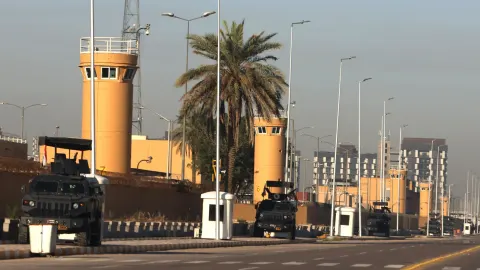
In the Middle East, there are calls for the closure of US bases in the region, with some analysts viewing their presence as an added burden. The situation in Japan is also being closely watched, with the country on high alert for a potential second quake after a powerful earthquake struck off its northern coast.
Conclusion
As the global landscape continues to evolve, it is essential to stay informed about the latest developments and their implications. From the escalating US-Iran tensions to the fluctuations in the crypto market and the strain on the global economy, each event has the potential to significantly impact our world. Stay tuned for further updates and analysis.

Watch
Iran War: US Seizes Iranian Ship, Casting Doubt on Peace Talks | The Opening Trade 04/20/2026
Bloomberg Television
Frequently Asked Questions
What is the current situation with US-Iran tensions?
How is the crypto market performing?
What is the impact on the global economy?
The Strait of Hormuz: A Global Oil Chokepoint and Its Economic Ripple Effects
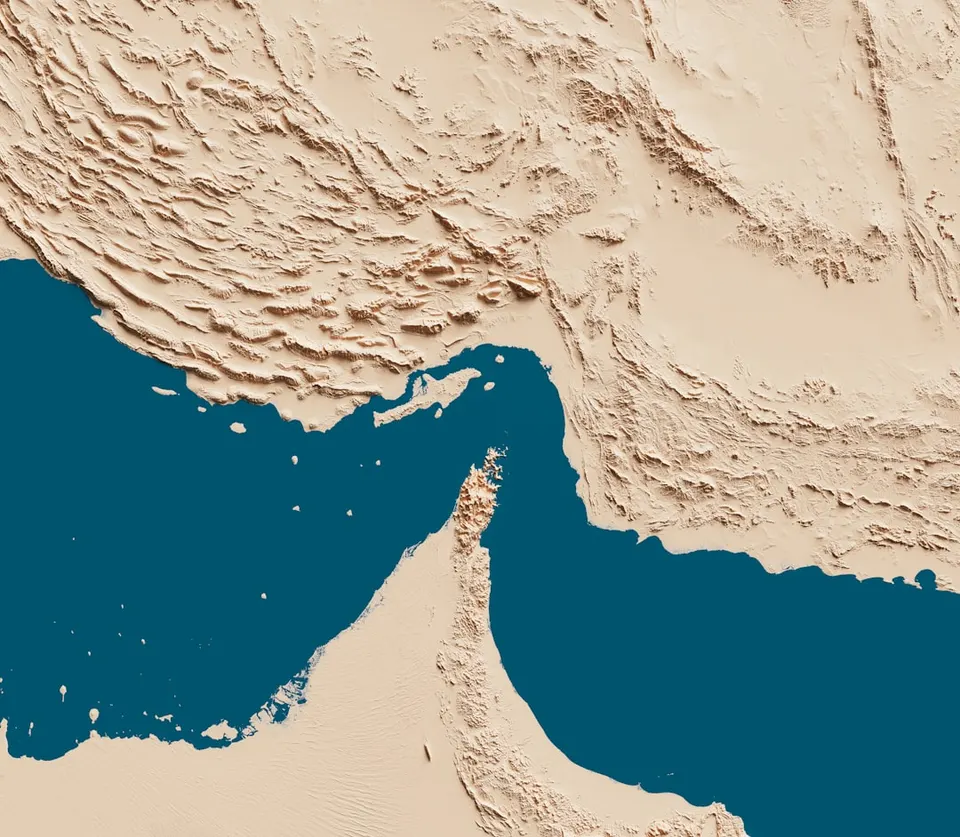
The Strait of Hormuz, a narrow waterway between Oman and Iran, is one of the world’s most critical maritime chokepoints. Roughly 20% of global oil consumption and about a third of the oil exported from the Persian Gulf must pass through this 21‑mile‑wide channel each day, making it a strategic bottleneck for energy supplies.
Because the strait is so vital, any threat to its security—such as heightened US‑Iran tensions—creates a geopolitical risk premium that is instantly priced into oil markets. Traders factor in the possibility of a sudden disruption, driving up futures contracts and spot prices even before any physical blockage occurs. This risk‑driven price spike can ripple through the global economy, raising transportation costs, inflating consumer prices, and tightening monetary policy.
The economic impact extends beyond traditional energy markets. Higher oil prices can erode real incomes, especially in oil‑importing nations, and can trigger capital outflows as investors seek safer assets. In recent years, some market participants have turned to cryptocurrencies as a hedge against fiat‑currency inflation and geopolitical uncertainty, although crypto’s volatility adds its own set of risks.
Policymakers therefore monitor the strait closely. Diplomatic de‑escalation, naval escorts, and diversified routing (such as using the longer route around the Cape of Good Hope) are tools used to mitigate the choke‑point risk. However, the underlying geography cannot change, so the Strait of Hormuz will remain a focal point for energy security and global economic stability as long as the world relies heavily on oil.
Understanding the mechanics of this chokepoint helps explain why headlines about US‑Iran tensions can cause immediate swings in oil prices, influence global inflation trends, and even spark interest in alternative assets like crypto. It underscores the interconnectedness of geopolitics, energy, and the broader economy.