
Ukraine Deploys Robots Amid War; Blue Origin Faces Setbacks
استفاده اوکراین از رباتها در جنگ؛ مشکلات جدید بلو اوریجین
Ukraine is turning to robotic technology to bolster its military efforts as it faces troop shortages. Meanwhile, Blue Origin's New Glenn rocket is grounded after a mishap, raising questions about its future.
At time of publishing
USD
152,550
Toman
Gold 18K
17.84M
Toman / gram
Ukraine Turns to Robots for Military Assistance
Ukraine, facing significant troop shortages amid its ongoing conflict, has started deploying robotic technology to assist in its military operations. The use of unmanned ground vehicles (UGVs) equipped with bombs, guns, or rockets is aimed at reducing the risk to human soldiers and potentially turning the tide in ongoing battles. This strategic shift comes as Ukraine struggles to maintain its defensive lines while minimizing personnel casualties. The deployment of such technology signals a pivotal moment in modern warfare, highlighting both innovation and desperation in Ukraine's defense strategy.
This move is not without precedent, as other nations have similarly leveraged technology to offset manpower deficits. However, Ukraine's embrace of robotics represents a significant escalation, potentially setting a new standard for military engagements worldwide. The international community watches closely, as this could redefine the rules of engagement and influence future conflicts. The success or failure of this initiative could have long-term implications for Ukraine's military capabilities and its geopolitical standing.

Blue Origin's New Glenn Rocket Grounded
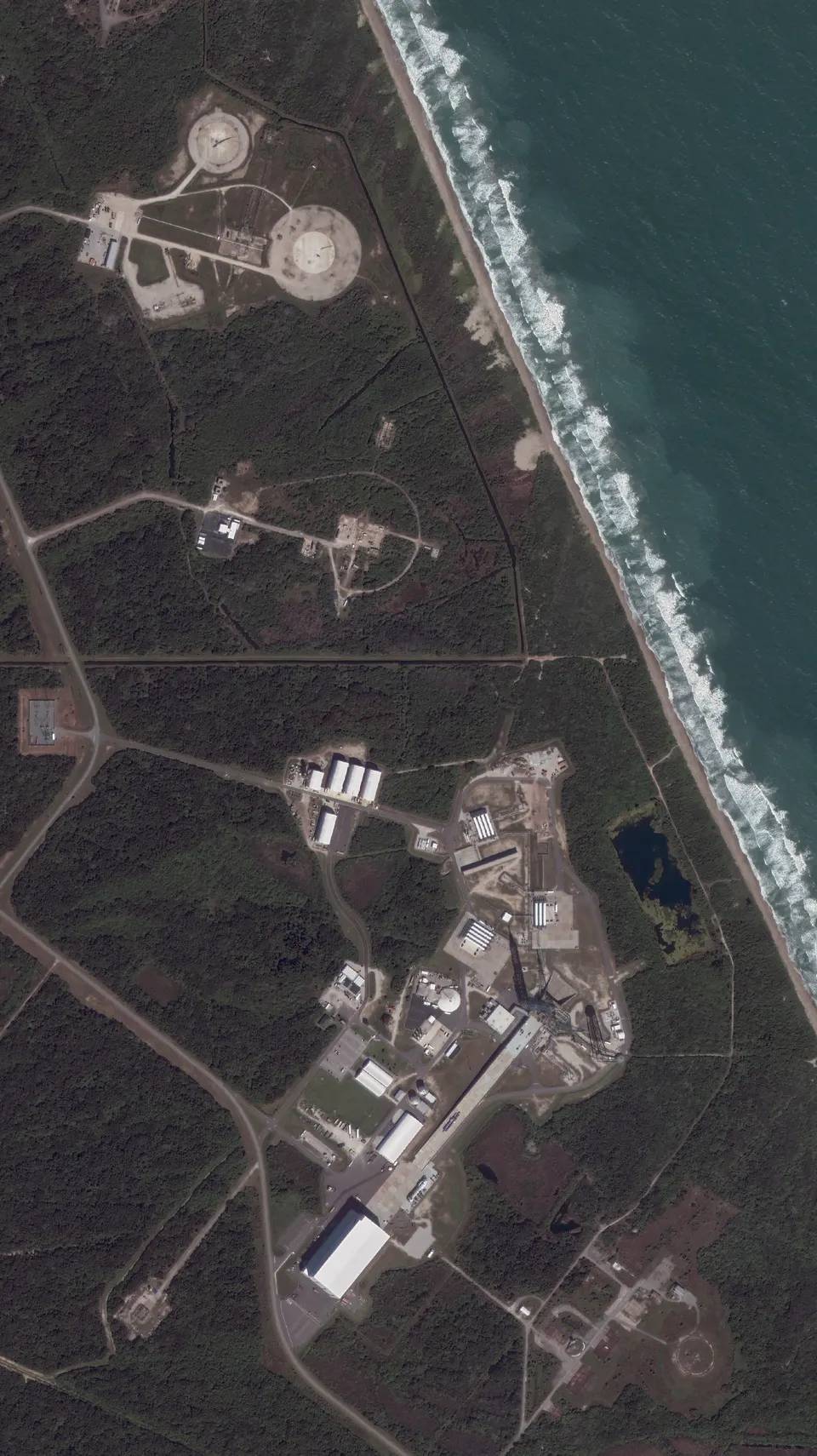
Blue Origin faces a major setback as its New Glenn rocket is grounded following a mishap during a recent mission. The Federal Aviation Administration (FAA) has ordered an investigation into the incident where the rocket reportedly failed to deliver its payload to the intended orbit. This development comes as a significant blow to Blue Origin, which has been striving to establish itself as a leader in space exploration and satellite deployment. The grounding of New Glenn underscores the challenges faced by commercial space companies in maintaining reliability and safety standards.
The implications of this grounding are considerable, both for Blue Origin's immediate operations and its long-term business prospects. Delays in its launch schedule could impact its contractual obligations and erode confidence among potential clients. Furthermore, this incident could influence regulatory scrutiny and competitive dynamics within the space industry, where companies like SpaceX and ULA are also vying for dominance. The outcome of the FAA's investigation will be crucial in determining the future trajectory of Blue Origin's ambitious space endeavors.
Iran and US Plan Talks Amid Ongoing Tensions
Despite heightened tensions following the US seizure of an Iranian ship, Tehran and Washington are reportedly planning to engage in new talks in Pakistan. This development suggests a potential thaw in relations, although public statements from both sides remain mixed. Several Iranian officials have indicated their readiness to participate in discussions, aligning with Vice President JD Vance's scheduled visit to Islamabad with a team of US negotiators. The talks are seen as a critical opportunity to de-escalate tensions and possibly pave the way for more comprehensive diplomatic engagement.
The move towards dialogue comes against a backdrop of regional instability and economic challenges. Iran's willingness to enter discussions reflects both strategic necessity and a desire to explore possible avenues for easing sanctions and securing economic relief. However, skepticism remains high, with many questioning the sincerity of both parties in reaching a substantive agreement. As these talks unfold, their success or failure could significantly impact regional dynamics, influence international relations, and affect global economic conditions.

Watch
Scholastic Hi Q | 3429
WSIU TV
Frequently Asked Questions
Why is Ukraine using robots in its military?
What happened to Blue Origin's New Glenn rocket?
Are Iran and the US planning new talks?
What are the implications of Blue Origin's grounding?
How might robotic technology affect warfare?
Understanding Autonomous Weapons Systems
Autonomous weapons systems (AWS) are military platforms that can select and engage targets without direct human intervention. These range from unmanned aerial vehicles that can loiter over a battlefield and strike on their own, to ground‑based robots equipped with AI‑driven perception modules that can navigate complex terrain and identify enemy combatants. The core technology combines sensors, machine‑learning algorithms, and actuators, allowing the system to process data and make decisions at speeds far beyond human capability.
The rise of AWS has been accelerated by advances in artificial intelligence and robotics, making them attractive for countries engaged in high‑intensity conflicts. Ukraine, for instance, has fielded a variety of robotic platforms—ranging from remote‑controlled bomb disposal units to semi‑autonomous reconnaissance rovers—to supplement its dwindling manpower and reduce soldier exposure to fire. While these systems are still largely supervised by operators, the trend points toward increasing autonomy as reliability improves.
The deployment of autonomous weapons raises profound legal and ethical questions. International humanitarian law requires distinction, proportionality, and accountability, but delegating lethal decision‑making to machines challenges these principles. The United Nations and several NGOs have called for a pre‑emptive ban on fully autonomous lethal weapons, arguing that machines cannot be held morally responsible for civilian casualties. Conversely, proponents argue that AI can reduce human error and potentially lower overall casualties if properly constrained.
From a geopolitical perspective, the diffusion of AWS can shift power balances. Nations that master reliable autonomous systems may gain a strategic edge, prompting an arms race reminiscent of the nuclear era. This dynamic is evident in the broader context of space competition, where companies like Blue Origin develop heavy‑lift rockets such as New Glenn, while geopolitical rivals such as Iran seek to bolster their own launch capabilities, influencing both military and civilian domains.
Understanding autonomous weapons is essential for grasping modern warfare’s trajectory, the ethical debates surrounding AI in combat, and the broader strategic calculations that shape international security today.