Vance Heads to Pakistan for High-Stakes Iran Talks as Japan Ends Decades of Pacifism
سفر جیدی ونس به پاکستان برای مذاکرات سرنوشتساز با ایران و پایان دههها صلحطلبی در ژاپن
US Vice President JD Vance leads a diplomatic mission to Islamabad seeking a permanent ceasefire with Iran, while Japan makes a historic shift by lifting its ban on lethal weapon exports. Amidst the tension, Bitcoin reclaims the $75,000 level on hopes of a regional de-escalation.
At time of publishing
USD
152,550
Toman
Gold 18K
17.86M
Toman / gram
The Islamabad Summit: A Last-Ditch Effort for Regional Peace
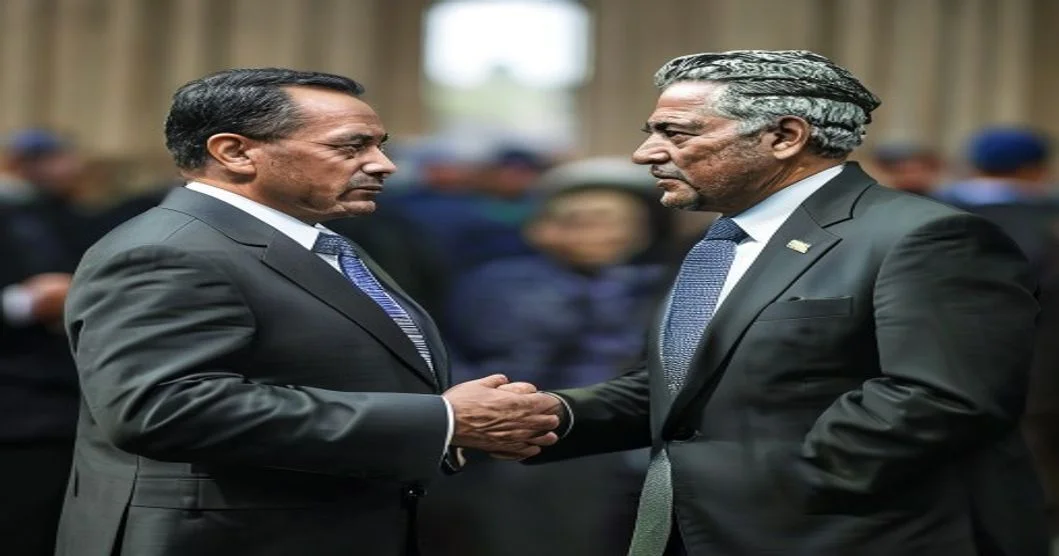
The geopolitical landscape is currently centered on Islamabad, Pakistan, where US Vice President JD Vance is expected to lead a high-level delegation to meet with Iranian officials. This diplomatic push comes at a critical hour, as the existing ceasefire deadline looms for Wednesday. The delegation, which reportedly includes key figures like Jared Kushner and Steve Witkoff, represents the Trump administration's most direct attempt yet to secure a lasting peace deal. However, the atmosphere remains thick with mistrust; while Iranian officials have signaled a willingness to negotiate if Vance is present, they have also publicly stated that they hold "new cards for the battlefield" should talks fail.
Adding to the complexity of the negotiations is the recent seizure of the M/V Touska, an Iranian-flagged container ship, by US Marines. The vessel was sanctioned by the US Treasury for its alleged links to Iranian weapons programs, and the military action has been framed by Washington as a necessary enforcement of existing blockades. For the negotiators in Pakistan, this event serves as a double-edged sword: it demonstrates American resolve and leverage, but it also provides Tehran with a reason to claim they are negotiating under duress. The outcome of these talks will likely determine whether the Middle East moves toward a fragile stability or descends into a renewed cycle of high-intensity conflict.
Japan Breaks Postwar Tradition in Major Rearmament Move
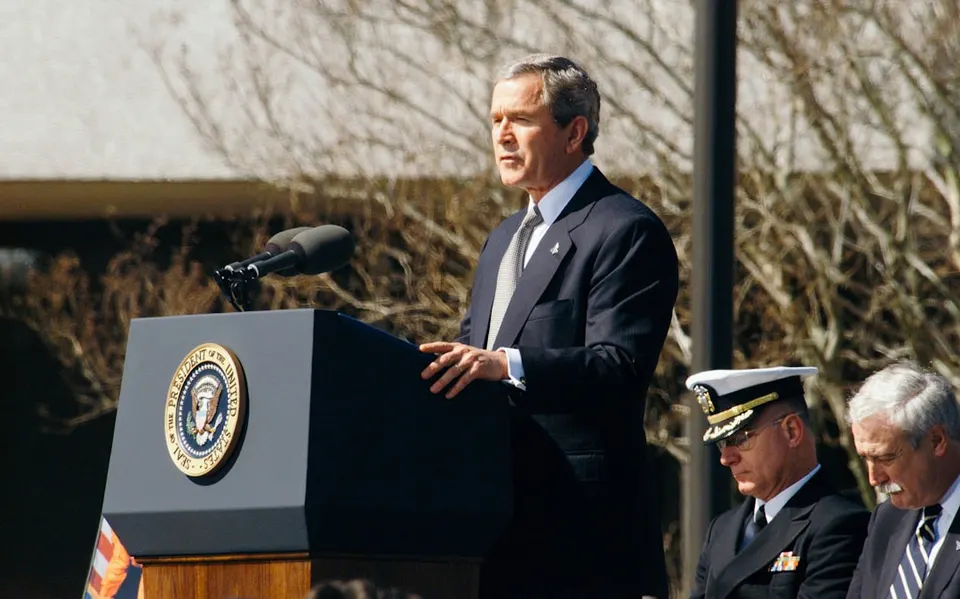
In a move that signals a profound shift in the global security order, Japan has officially lifted its long-standing ban on the export of lethal weapons. Prime Minister Sanae Takaichi announced the policy reversal this morning, citing the rising threats from regional adversaries and the increasing unpredictability of global alliances. For decades, Japan’s pacifist constitution and subsequent policy frameworks limited its defense industry to domestic production and non-lethal support. By opening the doors to international arms sales, including advanced fighter jets and missile systems, Tokyo is positioning itself as a major military-industrial player in the Indo-Pacific.
This decision is not merely about economics; it is a calculated response to the perceived vacuum in regional security. As the United States focuses heavily on its internal political shifts and the ongoing friction with Iran, Japan feels an urgent need to bolster its own strategic depth and support its allies more directly. This move is expected to draw sharp criticism from Beijing, which has long warned against Japanese remilitarization. For global markets, this signals a new era of defense spending and industrial cooperation between Japan and Western powers, potentially reshaping the supply chains of the global aerospace and defense sectors.

Bitcoin Reclaims $75,000 as Ripple Eyes a Quantum Future
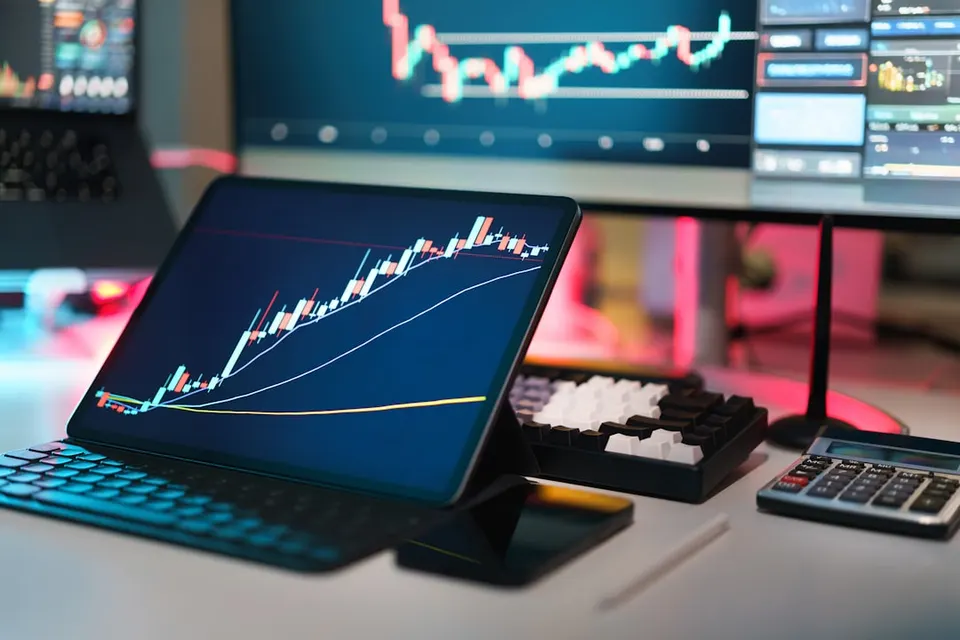
The cryptocurrency market has reacted with cautious optimism to the news of the Pakistan peace talks. Bitcoin rose to $75,733 (+1.5% over 24 hours), reclaiming a psychological stronghold as traders bet on a reduction in geopolitical risk. The rally suggests that the "war discount" is being slowly lifted from risk assets, although volatility remains high. In the domestic Iranian market, the US Dollar remained remarkably stable at 152,550 Toman (+0.0%), reflecting a market that is currently in a "wait-and-see" mode ahead of the Wednesday ceasefire deadline. Gold also mirrored this stability, with 18k gold trading at 17,860,012 Toman (+0.0%), even as global spot prices hovered near $4,779.
Beyond the immediate price action, Ripple has laid out an ambitious technological roadmap to make the XRP Ledger quantum-resistant by 2028. As quantum computing technology advances, the cryptographic foundations of most blockchains face potential obsolescence. Ripple’s four-phase plan aims to implement new signature schemes that can withstand attacks from future quantum computers. This forward-looking strategy highlights a growing concern within the fintech industry: the need to future-proof digital assets against the next generation of computing power. While 2028 feels distant, the move underscores Ripple’s commitment to institutional-grade security, which could be a deciding factor for banks considering the adoption of blockchain for cross-border settlements.
The Ripple Effect: Stability Amidst the Storm
While the headlines are dominated by potential peace and military shifts, the underlying economic reality for many remains one of cautious stagnation. The lack of movement in the USD/IRR exchange rate today (holding at 152,550) is a testament to the heavy intervention or perhaps the total exhaustion of market participants waiting for a definitive signal from the diplomatic front. If the Islamabad talks yield a breakthrough, we could see a sharp appreciation of the Toman as speculative pressure eases. Conversely, a failure in Pakistan could trigger a rapid flight to hard assets, potentially pushing gold and foreign currencies to new record highs.
It is also worth noting the growing dissent within the United States regarding the current administration's foreign policy. The arrest of veterans protesting the war on Iran at the US Capitol highlights a deep domestic divide that JD Vance and Donald Trump must navigate. As the administration faces internal cabinet reshuffles—with Labor Secretary Lori Chavez-DeRemer being the latest to depart—the consistency of US foreign policy remains under scrutiny. For observers in Tehran and beyond, the question is whether the US delegation in Pakistan has the domestic mandate and the political longevity to guarantee any deal they might strike.
Frequently Asked Questions
Why is JD Vance's trip to Pakistan significant for the Iranian economy?
What does Japan's decision to export lethal weapons mean for global security?
How is the seizure of the M/V Touska affecting current negotiations?
Why is Ripple planning for quantum resistance now?
Quantum‑Resistant Cryptography: Why It Matters for Future Cryptocurrencies
The rapid progress of quantum computing threatens many of the cryptographic algorithms that secure today’s digital assets. Most blockchains, including Bitcoin and Ripple’s XRP, rely on elliptic‑curve cryptography (ECC) for signing transactions. A sufficiently powerful quantum computer could run Shor’s algorithm to derive private keys from public keys, potentially allowing an attacker to forge transactions and steal funds.
To safeguard against this risk, the crypto community is researching post‑quantum cryptography (PQC)—algorithms that are believed to be resistant to attacks from both classical and quantum computers. The most promising families include lattice‑based schemes (e.g., Kyber, Dilithium), hash‑based signatures (e.g., SPHINCS+), and multivariate quadratic equations. These algorithms are being standardized by the National Institute of Standards and Technology (NIST), with the final round expected to be published in 2024.
Ripple has publicly announced plans to transition to quantum‑resistant signatures by 2028, a timeline that reflects both the anticipated arrival of large‑scale quantum hardware and the technical challenges of upgrading a live, high‑throughput payment network. Implementing PQC will require changes to wallet software, node protocols, and possibly the underlying transaction format, all while preserving backward compatibility during the migration period.
For users and developers, the key takeaway is that quantum‑resistance is not a distant sci‑fi scenario but an emerging engineering problem. Staying informed about NIST’s PQC selections and the upgrade roadmaps of major blockchains will help mitigate future security risks and ensure the longevity of digital assets.