Apple’s Changing of the Guard: Tim Cook Steps Down as CEO; US-Iran Peace Talks Reach Critical Juncture
پایان دوران تیم کوک در اپل؛ مذاکرات سرنوشتساز ایران و آمریکا در اسلامآباد آغاز شد
Apple announces John Ternus as the new CEO starting September, ending Tim Cook's 15-year reign. Meanwhile, Bitcoin surges past $75,000 as high-stakes diplomatic talks between the US and Iran loom in Pakistan.
At time of publishing
USD
152,550
Toman
Gold 18K
17.86M
Toman / gram
Market Open — The Toman Holds Breath While Bitcoin Climbs
The Iranian market opened this Tuesday morning with a sense of cautious anticipation, reflecting the geopolitical 'limbo' currently felt across the region. The US Dollar (USD/IRR) remains stable at 152,550 Toman, showing a 0.0% change over the last 24 hours. This stagnation suggests that local traders are waiting for a definitive signal from the diplomatic front before committing to new positions. Similarly, Gold 18k is holding steady at 17,860,012 Toman per gram, and the Emami coin is priced at 188,000,000 Toman, both showing no movement since yesterday's close.
In contrast, the global crypto market is buzzing with optimism. Bitcoin has reclaimed the $75,000 milestone, trading at $75,733, a 1.5% increase over the last 24 hours. This rally is largely attributed to the advancing news of potential ceasefire talks between the US and Iran. Investors are rotating back into risk assets as Brent crude slips, signaling a belief that a regional de-escalation might finally be on the horizon. For the Iranian observer, the divergence between the static local currency and the surging global assets highlights a market that is coiled like a spring, ready to react to the headlines coming out of Islamabad.
Apple’s New Era: John Ternus Replaces Tim Cook
In a move that marks the end of one of the most successful corporate tenures in history, Apple has announced that Tim Cook will step down as CEO on September 1, 2024. Cook, who has led the tech giant for 15 years and saw its valuation soar into the trillions, will transition to the role of Executive Chairman. His successor is John Ternus, the current head of hardware engineering and a long-time Apple veteran. Ternus is widely seen as a 'safe pair of hands' who will maintain the company's focus on hardware excellence and high-margin services while navigating the increasingly complex world of AI integration.

This transition is more than just a change in leadership; it is a strategic pivot. While Ternus takes over the day-to-day operations, Tim Cook will reportedly remain the company’s 'Trump whisperer,' focusing on high-level diplomacy and government relations. This is crucial as Apple faces potential tariff threats and regulatory scrutiny in both the US and China. Ternus’s appointment suggests that Apple is doubling down on its core hardware DNA, even as it struggles to find its footing in the generative AI race compared to rivals like Microsoft and Google.
For investors, the news is a reminder of Apple’s institutional stability. The company rarely makes sudden moves, and Ternus has been groomed for this role for years. However, the tech world will be watching closely to see if Ternus possesses the visionary spark required to launch the 'next big thing'—something Cook was often criticized for lacking until the Vision Pro. The market's initial reaction has been neutral to slightly positive, reflecting confidence in the succession plan and the continuity of Apple’s record-breaking profit machine.
High Stakes in Islamabad: Vance, Kushner, and the Peace Gambit
The geopolitical world is focused on Pakistan this morning as US Vice President JD Vance prepares to lead a high-powered delegation to Islamabad for potential talks with Iranian officials. The delegation includes figures like Steve Witkoff and Jared Kushner, signaling that Donald Trump is putting his 'A-team' on the task of brokering a lasting peace deal. Iran has signaled it will send its own high-level team if Vance is present, though official confirmation remains fluid. The backdrop is a tense one: a ceasefire deadline is looming, and the US recently seized the Iranian-flagged ship Touska, accusing it of links to weapons programs.
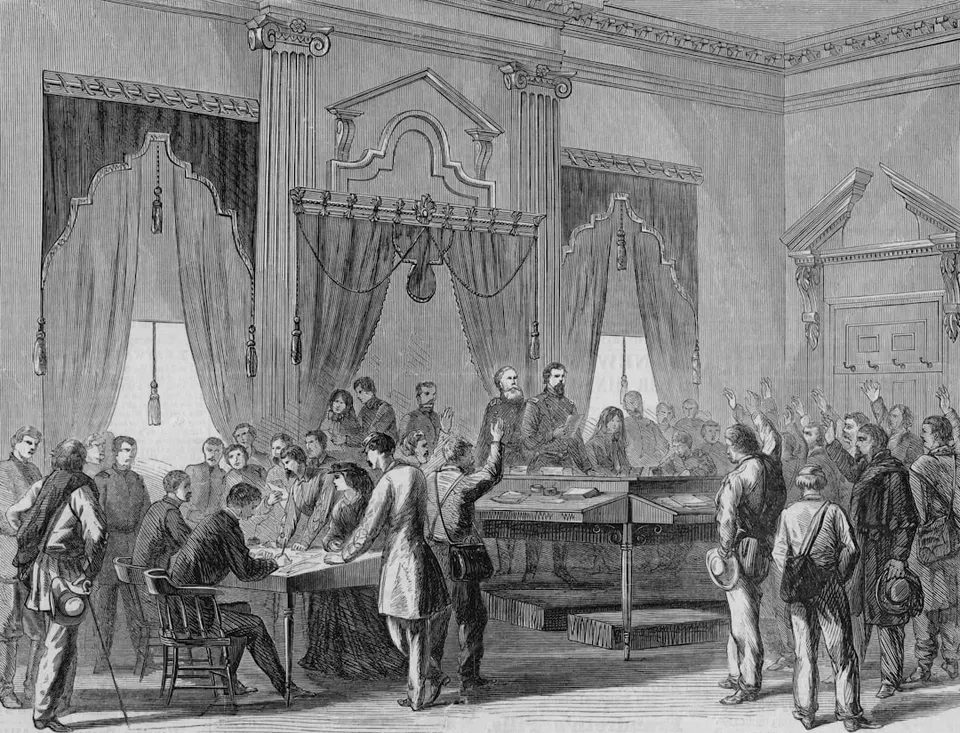
The dilemma for both sides is immense. On one hand, the Trump administration has boasted about the success of 'Operation Midnight Hammer'—the bombing of Iranian nuclear sites—and maintains a strict blockade on the Strait of Hormuz. On the other hand, there is a clear appetite for a deal that ends the cycle of 'death and destruction.' For Iran, the talks represent a chance to end the crippling economic blockade; for the US, it’s an opportunity to claim a historic foreign policy victory without further military entanglement. However, internal pressure in the US is mounting, with veterans being arrested at the Capitol for protesting the war, highlighting the domestic unpopularity of a prolonged conflict.
What does this mean for the global economy? A successful negotiation could lead to a significant drop in oil prices and a massive relief rally in emerging markets. Conversely, if the talks collapse, the 'limbo' could turn into a renewed round of fighting. The presence of Jared Kushner suggests a focus on regional economic integration as a carrot for peace, a strategy reminiscent of the Abraham Accords. For now, the world watches the Islamabad runway, waiting to see if the planes carry the hope of peace or the heralds of further escalation.
Japan Breaks Postwar Silence: A Pivot to Arms Exports
In a historic departure from its decades-long pacifist stance, Japan has officially lifted its ban on lethal weapons exports. Prime Minister Sanae Takaichi announced the policy shift as a necessary response to the 'rising threats' in East Asia, particularly from China, and the increasing unpredictability of its main ally, the United States. This move means Japan could soon be selling fighter jets and other advanced military hardware to international partners, effectively ending the anti-war constraints that have defined the nation since 1945.
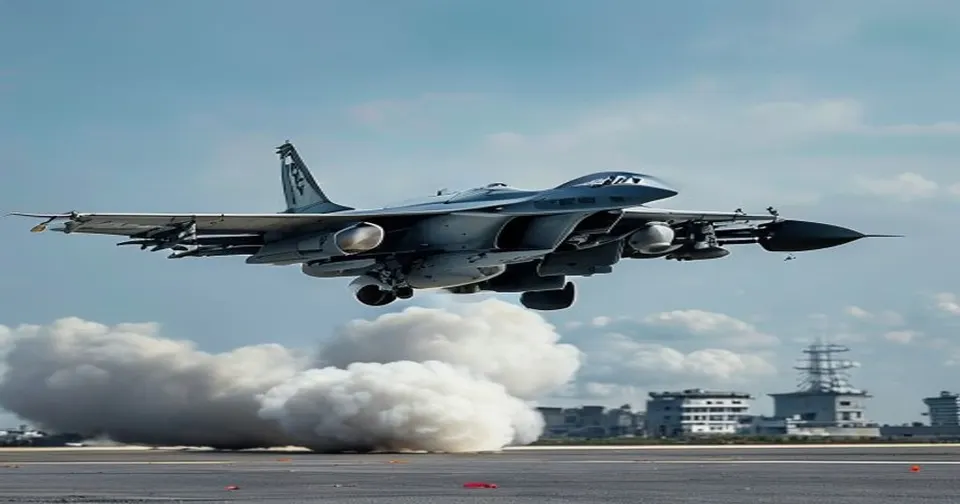
This decision is a seismic shift in the global balance of power. Japan possesses some of the world’s most advanced technology, and its entry into the global arms market could disrupt established dynamics. For the Takaichi administration, this is about 'active pacifism'—the idea that Japan must be able to defend itself and support its allies to maintain peace. However, the move is controversial domestically and has already raised alarms in Beijing and Seoul, where memories of Japan’s 20th-century militarism remain a sensitive political issue.
For the global defense industry, Japan’s entry is a major event. Companies like Mitsubishi Heavy Industries are now poised to become global players in the defense sector, competing with American and European giants. This shift also reflects a broader global trend: middle powers are increasingly taking their security into their own hands as the 'unipolar' world led by the US continues to fray. Whether this leads to a more stable Asia or a new arms race remains the defining question for the region's future.
Watch
What to Expect From Apple's Incoming CEO John Ternus | The China Show 4/21/2026
Bloomberg Television
Frequently Asked Questions
Why is Tim Cook stepping down now?
How did Bitcoin reach $75,000 overnight?
What is the significance of Japan's new arms export policy?
Economic Sanctions: How They Shape Global Markets and Politics
Economic sanctions are coercive tools used by governments or international bodies to influence the behavior of a target country, entity, or individual without resorting to military force. They typically involve restrictions on trade, investment, financial transactions, or access to technology. By cutting off critical economic lifelines, sanctions aim to create pressure that compels policy changes, such as halting nuclear programs, curbing human rights abuses, or altering geopolitical alignments.
The ripple effects of sanctions extend far beyond the targeted nation. For example, U.S. sanctions on Iran have reshaped global oil markets, forced multinational corporations to adjust supply chains, and driven Iran to seek alternative trading partners, including Pakistan and China. Simultaneously, sanctions can influence domestic politics in the sanctioning country; U.S. lawmakers like JD Vance often debate the balance between national security and economic costs, especially when sanctions intersect with broader diplomatic efforts such as the recent US‑Iran peace talks.
Sanctions also impact currency values and financial markets. Iran’s rial (IRR) has experienced severe devaluation due to limited access to foreign exchange and banking services, prompting a surge in informal dollar‑rial rates. In parallel, investors may turn to assets perceived as safe havens, such as Bitcoin, which saw its price climb to $75,000 amid heightened uncertainty. Meanwhile, countries like Japan have adjusted their arms export policies to comply with allied sanction regimes, illustrating how even seemingly unrelated sectors feel the pressure.
Understanding sanctions helps explain why corporate leadership changes—like Apple’s transition from Tim Cook to John Ternus—are scrutinized for their stance on compliance and supply‑chain resilience. Companies must navigate a complex web of regulations to avoid penalties while maintaining global operations. In short, sanctions are a powerful, multifaceted instrument that can reshape geopolitics, market dynamics, and everyday economic realities.