Hormuz Blockade Could Last Six Months; Microsoft Debuts ‘Vibe Working’ as Oil Surges Past $100
احتمال انسداد ۶ ماهه تنگه هرمز؛ رونمایی مایکروسافت از هوش مصنوعی جدید در بحبوحه نفت ۱۰۰ دلاری
Leaked Pentagon assessments suggest clearing the Strait of Hormuz could take half a year, sending shockwaves through energy markets and forcing Lufthansa to cancel 20,000 flights. Meanwhile, Microsoft shifts the AI landscape with 'Agent Mode' for Office apps.
At time of publishing
USD
154,050
Toman
Gold 18K
17.64M
Toman / gram
The Six-Month Shadow Over the Strait of Hormuz
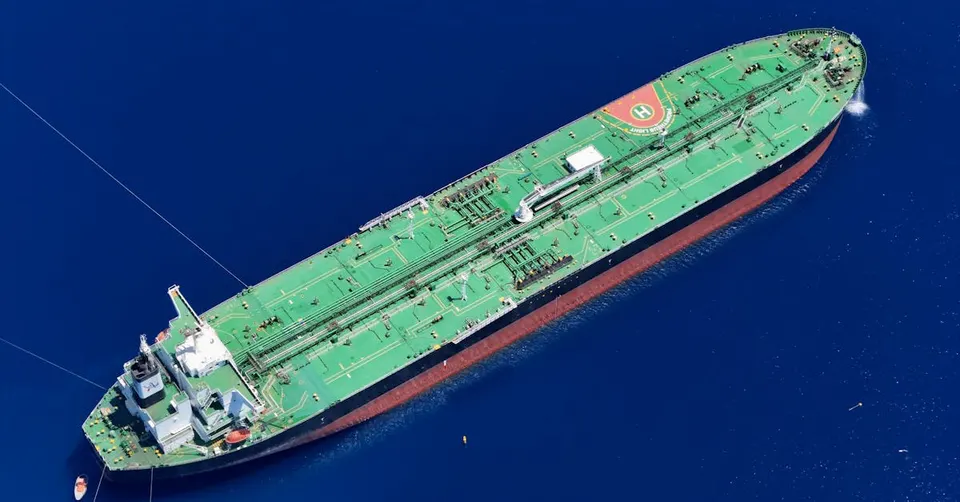
The global energy landscape faced a chilling reality check this Thursday as leaked Pentagon assessments suggested that clearing the Strait of Hormuz of mines and obstructions could take up to six months. This timeline, far longer than initial market estimates, has fundamentally shifted the risk calculus for global shipping and energy firms. With more than 500 million barrels of oil already disrupted in recent weeks, the prospect of a half-year blockade is no longer a fringe theory but a central pillar of strategic planning. The White House, meanwhile, has maintained a complex stance, with President Trump reportedly stating that he does not view recent Iranian ship seizures as a direct violation of current ceasefire efforts—a comment that has left both allies and markets in a state of confused anxiety.
The immediate economic fallout is becoming tangible beyond just the price of crude, which remains stubbornly above $100 a barrel. Lufthansa, the German aviation giant, announced today that it is cutting 20,000 short-haul flights from its schedule through October, citing a critical shortage of jet fuel directly linked to the Middle East conflict. This massive reduction in capacity signals that the 'energy shock' is now trickling down into the broader service economy, impacting tourism, logistics, and international business travel. As the maritime siege deepens, the logistical bottleneck is forcing a complete re-routing of global trade, with the Cape of Good Hope once again becoming the primary, albeit expensive, artery for East-West commerce.
Microsoft’s ‘Vibe Working’ and the Next AI Frontier
While the world watches the Persian Gulf, the tech sector is undergoing its own seismic shift. Microsoft has officially launched 'Agent Mode' within its Office suite, a feature previously teased as 'vibe working.' Unlike the initial iteration of Copilot, which acted as a reactive assistant, the new Agent Mode is designed to operate autonomously across Word, Excel, and PowerPoint. It can independently gather data from various documents, draft comprehensive reports, and even suggest strategic pivots based on real-time market data. This move represents Microsoft’s aggressive push to monetize its multi-billion dollar investment in foundation models by turning AI from a chat interface into a proactive digital employee.
Meta is also doubling down on AI integration but with a focus on transparency and safety. The social media giant announced new features today that allow parents to monitor the topics their children discuss with Meta AI. By categorizing interactions into buckets like 'School,' 'Travel,' or 'Health,' Meta aims to strike a balance between user privacy and parental oversight. This development comes as AI becomes an inseparable part of the educational and social fabric for younger generations, prompting regulators to demand more robust guardrails. For investors, these simultaneous launches from Microsoft and Meta underscore a critical trend: the AI race has moved past the 'wow factor' of chatbots and into the realm of functional, integrated utility that seeks to capture every hour of a user's professional and personal life.

Market Volatility and the Crypto Tug-of-War
In the financial markets, the atmosphere remains one of cautious defensive positioning. In Tehran, the currency market saw the USD hold steady at 154,050 Toman, while gold prices experienced a slight correction. Gold 18k/gram moved from 17,779,445 to 17,640,934 Toman, a decrease of 0.8%, mirroring a similar 0.8% dip in Emami coins, which fell from 177,000,000 to 175,500,000 Toman. This local downward pressure on gold appears to be a reaction to a temporary stabilization in domestic demand, even as international gold prices remain near historic highs of $4,699.70 per ounce due to the escalating geopolitical risks in the Middle East.
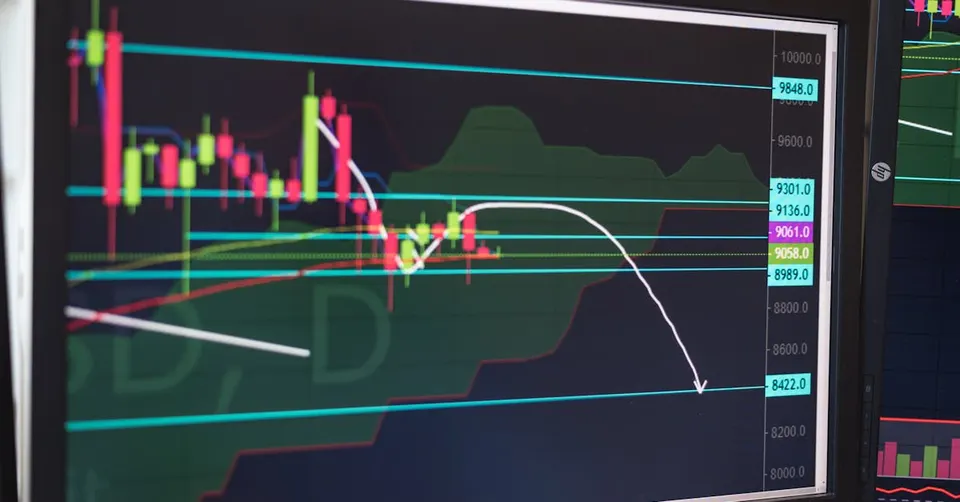
Cryptocurrencies are currently caught in a fierce tug-of-war between bullish technical momentum and bearish macroeconomic headwinds. Bitcoin recently tested the $80,000 threshold but slipped back as the Pentagon-backed inflation warnings and surging oil prices weighed on risk assets. Traders are increasingly concerned that prolonged high energy costs will force central banks to keep interest rates elevated, dampening the appeal of non-yielding assets like Bitcoin. Furthermore, the crypto legal landscape saw a major footnote today as Sam Bankman-Fried withdrew his motion for a retrial, signaling a potential end to one of the industry's most high-profile legal sagas. Despite the volatility, institutional interest remains high, with more than 100 crypto firms urging the US Senate to pass a comprehensive market structure bill to provide the regulatory clarity needed for the next leg of adoption.
Frequently Asked Questions
Why does the Pentagon estimate six months to clear the Strait of Hormuz?
What is Microsoft's 'Agent Mode' and how does it differ from Copilot?
How is the jet fuel shortage affecting global travel specifically?
Why is Bitcoin falling if it is considered 'digital gold' during crises?
Understanding the Strategic Importance of the Strait of Hormuz
The Strait of Hormuz is a narrow waterway that connects the Persian Gulf with the Gulf of Oman and the open Indian Ocean. At its narrowest point it is only about 21 nautical miles wide, making it one of the world’s most critical maritime chokepoints. Roughly 20% of global oil consumption – and an even larger share of the oil exported from the Middle East – passes through this strait each day, so any disruption can ripple through energy markets worldwide.
Because the strait lies between Iran and the United Arab Emirates, it has long been a focal point of geopolitical tension. Iran has, on several occasions, threatened to close or mine the passage in response to international sanctions or military pressure. Such threats are not empty: during the Iran‑Iraq War in the 1980s, Iran briefly blocked the strait, causing oil prices to spike dramatically. Modern naval patrols by the United States and its allies aim to keep the waterway open, but the risk of a sudden blockade remains a key factor that traders watch when oil prices surge above $100 a barrel.
A Hormuz blockade would affect not only crude oil but also refined products, liquefied natural gas, and even strategic commodities like gold that are often priced in U.S. dollars linked to oil markets. Countries that rely heavily on Gulf oil – such as India, Japan, and South Korea – would need to reroute shipments around the Cape of Good Hope, adding weeks to delivery times and billions of dollars in extra shipping costs. This logistical shock would feed back into higher consumer prices and could accelerate inflationary pressures globally.
Historically, the international community has responded to Hormuz threats with a mix of diplomatic pressure, naval deployments, and economic sanctions. The United Nations Convention on the Law of the Sea (UNCLOS) guarantees the right of innocent passage, but enforcement relies on the willingness of powerful navies to project force. Understanding the strait’s strategic role helps explain why news of a potential six‑month blockade can send oil futures soaring and why policymakers treat any escalation in the region with extreme caution.