Maritime Siege Deepens: Somalia Joins Blockade as IRGC Consolidates Power in Tehran
محاصره دریایی تنگتر شد؛ پیوستن سومالی به مسدودسازی و تثبیت قدرت نظامیان در تهران
Somalia has banned Israeli-linked vessels from the Bab al-Mandab Strait, creating a dual-chokehold on global trade alongside the Hormuz blockade. Meanwhile, new reports suggest a military junta of IRGC generals is now officially running Iran following the death of the Supreme Leader.
At time of publishing
USD
154,050
Toman
Gold 18K
17.60M
Toman / gram
The Global Maritime Pincer Movement
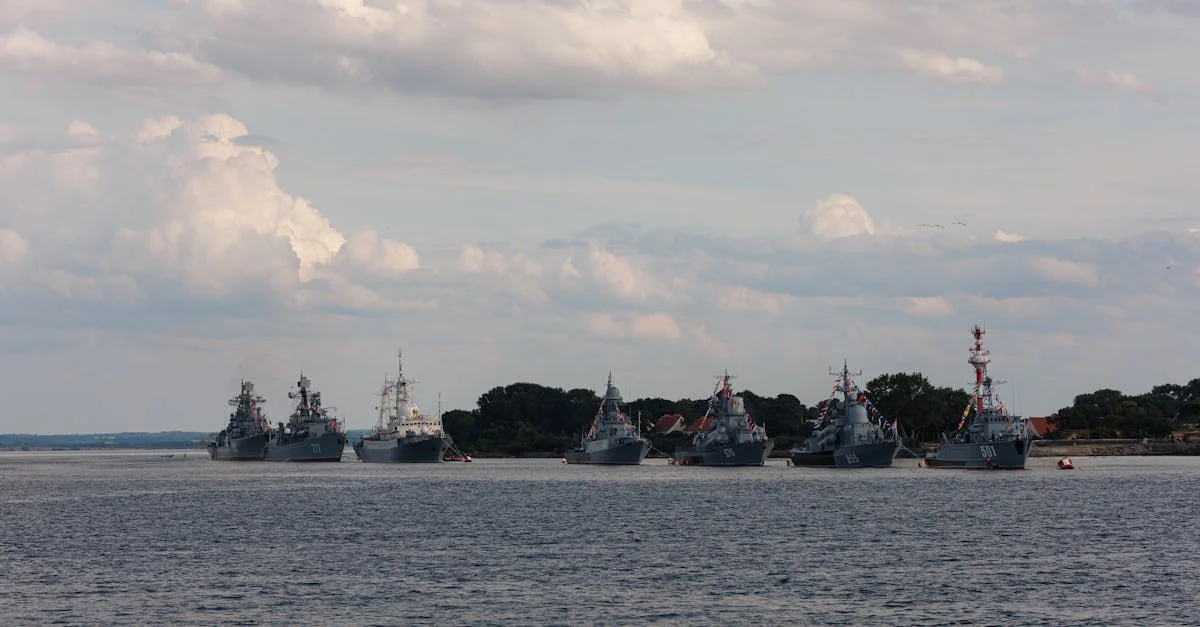
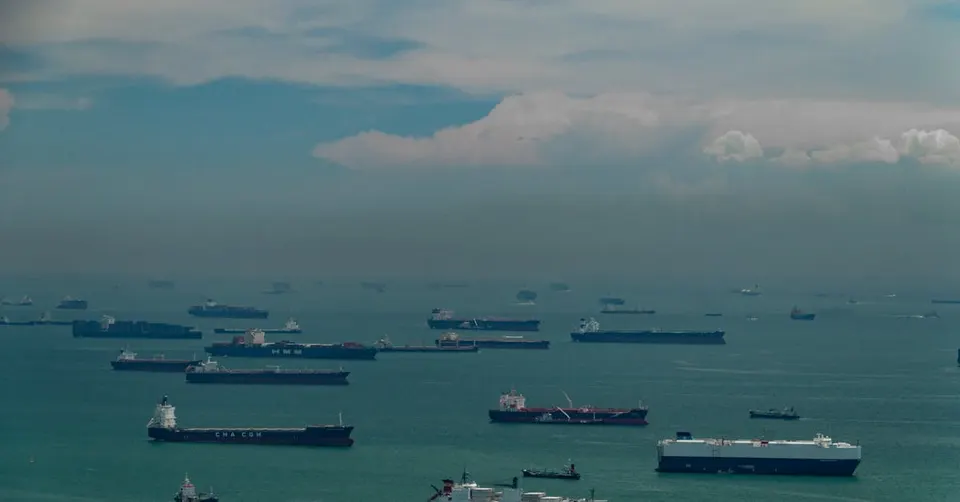
The maritime crisis has entered a dangerous new phase as Somalia officially announced the closure of the Bab al-Mandab Strait to Israeli-linked shipping. This move effectively creates a pincer movement on global trade, mirroring the ongoing stalemate in the Strait of Hormuz. While the world’s attention was fixed on the Persian Gulf, the Horn of Africa has now become a secondary front in the economic war. The Pentagon’s recent leaked assessment—suggesting that clearing the mines in Hormuz could take up to six months—has sent shockwaves through global logistics hubs, as insurers begin to write off the region as a "no-go zone" for the foreseeable future.
For the average consumer, this isn't just a headline about distant ships; it’s a direct threat to the cost of living. Simon Roberts, CEO of Sainsbury’s, has already warned that energy costs for food producers are skyrocketing, which will inevitably lead to higher prices on supermarket shelves. With oil hovering above $100 a barrel and no signs of a diplomatic breakthrough from the White House, the "shipping tax" is becoming a permanent fixture of the global economy. The dual blockade of the world's most critical transit points represents the most significant disruption to maritime commerce since the Second World War.
Tehran’s New Guard: The Rise of the Generals
Inside Iran, the political landscape has shifted fundamentally following the death of Ayatollah Khamenei. A recent New York Times analysis highlights that the country is now effectively governed by a "collective leadership" of Revolutionary Guard (IRGC) generals. This transition marks the end of the traditional clerical dominance and the rise of a military-security apparatus that views the current regional conflict as an existential necessity. The firing of US Navy Secretary John Phelan by the Trump administration has further emboldened this new leadership, who interpret the chaos in the Pentagon as a sign of American strategic exhaustion.
This new "Junta-style" governance in Tehran is less concerned with international diplomatic norms and more focused on leveraging its control over the Strait of Hormuz to extract concessions. The IRGC’s recruitment of "hybrid warfare" agents across Europe and the UK, as reported by security analysts, suggests that the conflict is no longer confined to the Middle East. By using criminal intermediaries and low-level attacks to sow chaos in Western capitals, the new leadership in Tehran is signaling that the cost of opposing their regional hegemony will be felt far beyond the front lines of the war.

Market Resilience and the Tech Talent War
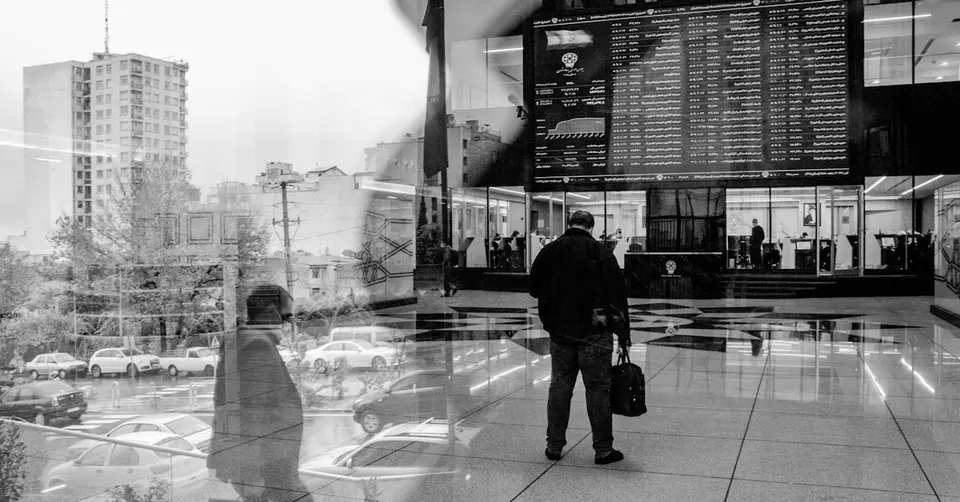
In the financial markets, the Toman has shown an eerie stability despite the surrounding geopolitical firestorm. The US Dollar remained flat at 154,050 Toman (+0.0%), suggesting a heavy-handed intervention by the central bank or a temporary exhaustion of buyers at these record highs. However, gold and coins saw a slight correction today. 18k gold dropped 1.0% to 17,597,765 Toman per gram, while the Emami coin fell 0.6% to 176,000,000 Toman. This minor dip likely reflects profit-taking by local investors rather than a fundamental shift in sentiment, as the global gold price remains elevated at $4,686.50 per ounce due to safe-haven demand.
Meanwhile, in the tech and crypto sector, a different kind of war is brewing. OpenAI is reportedly aggressively poaching top marketing talent from Coinbase, including its former CMO. This talent drain comes at a sensitive time for the crypto industry, as over 100 firms are currently lobbying the US Senate for a comprehensive market structure bill. As AI companies like OpenAI seek to build out their commercial ecosystems, they are looking to the "growth hackers" of the crypto world to lead the charge. This migration of human capital suggests that while the hardware and energy sectors are bogged down by physical blockades, the digital economy is undergoing a massive realignment of power.
Frequently Asked Questions
How does Somalia's blockade affect global oil prices?
Who is currently leading Iran according to international reports?
Why did the price of gold drop in Iran despite the regional tension?
What is the significance of OpenAI poaching Coinbase staff?
Understanding Maritime Chokepoints: Bab al‑Mandab and the Strait of Hormuz
Maritime chokepoints are narrow sea passages whose control can dramatically influence global trade flows. The Bab al‑Mandab Strait, linking the Red Sea to the Gulf of Aden, and the Strait of Hormuz, the gateway between the Persian Gulf and the open ocean, together account for roughly 30% of the world’s oil shipments each day. Because only a limited number of vessels can pass simultaneously, any disruption—whether from piracy, military blockades, or accidental grounding—creates immediate bottlenecks that ripple through global supply chains.
The strategic value of these straits goes beyond sheer volume. Oil‑producing nations such as Saudi Arabia, Iraq, and the United Arab Emirates rely on Hormuz to export crude, while landlocked East African economies depend on Bab al‑Mandab to import fuel and consumer goods. When a regional power, like Iran’s Islamic Revolutionary Guard Corps (IRGC), threatens to close or mine Hormuz, or when a coalition such as Somalia’s navy joins a blockade of Bab al‑Mandab, market participants anticipate supply shortages and bid up the price of benchmark crudes, often measured in U.S. dollars (USD) against local currencies like the Iranian rial (IRR).
Economists describe this price reaction through the lens of “risk premium” – an extra amount investors demand for holding a commodity that could become scarce. In practice, the premium appears as a sharp rise in spot prices and a widening of the spread between futures contracts and physical oil. The 2022‑2023 Hormuz tensions, for example, pushed Brent crude above $120 per barrel, while the simultaneous Red Sea disruptions added a $5‑$10 per barrel surcharge for vessels rerouting around the Cape of Good Hope.
Understanding chokepoints helps explain why seemingly distant events—such as a political reshuffle within Iran’s IRGC or a piracy surge off Somalia—can trigger a global oil crisis. Policymakers monitor vessel traffic data, satellite imagery, and insurance rates to gauge the likelihood of a blockade, and they often respond with diplomatic negotiations or naval escorts to keep these narrow corridors open.